
The Difference Between Stomach Flu and Food Poisoning
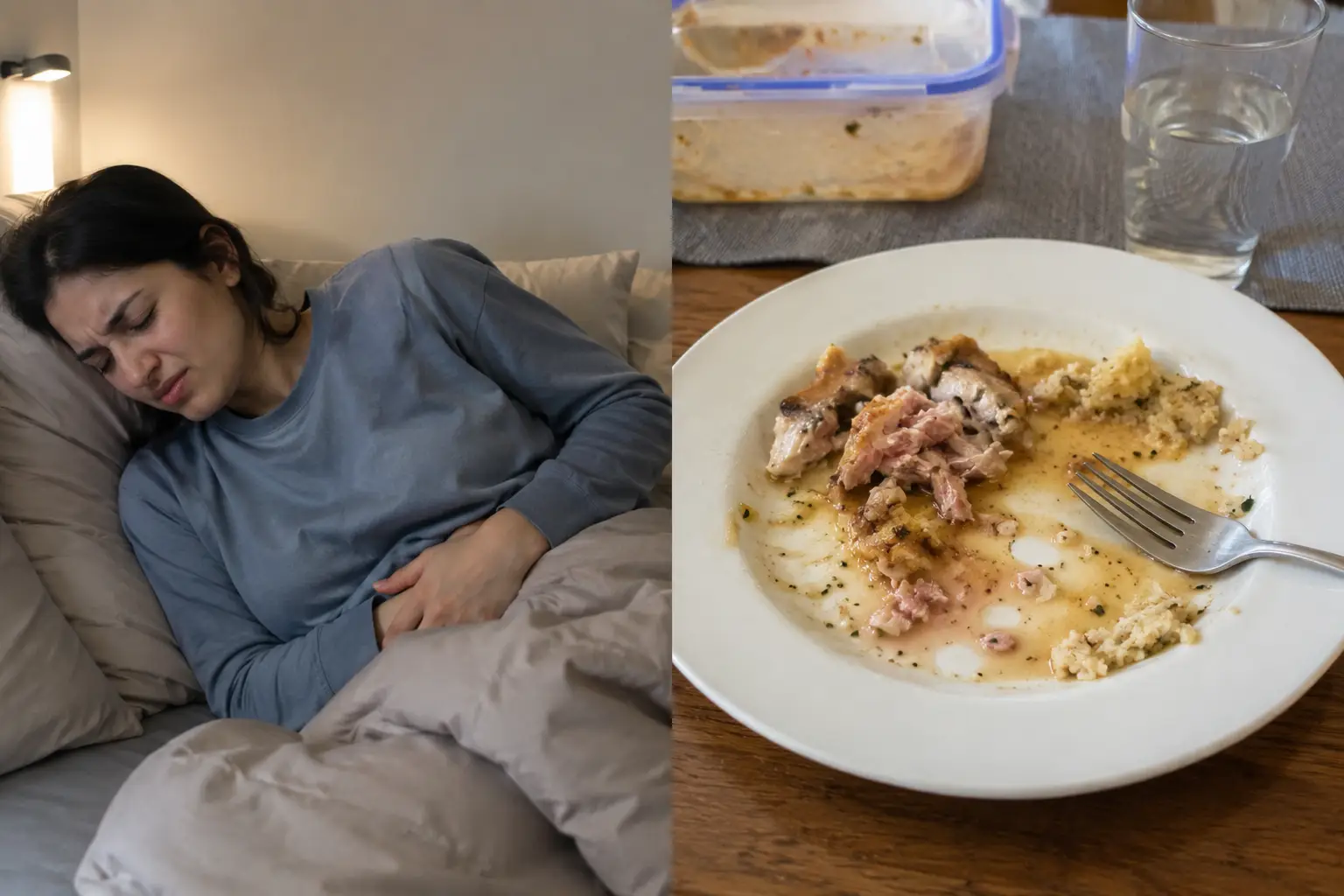
The difference between stomach flu and food poisoning is not always easy to see right away. Both conditions cause very similar symptoms, yet their causes, timelines, and the right ways to respond are quite different. Knowing which one you have helps you act quickly and catch any warning signs before they get worse.
What Is Stomach Flu?
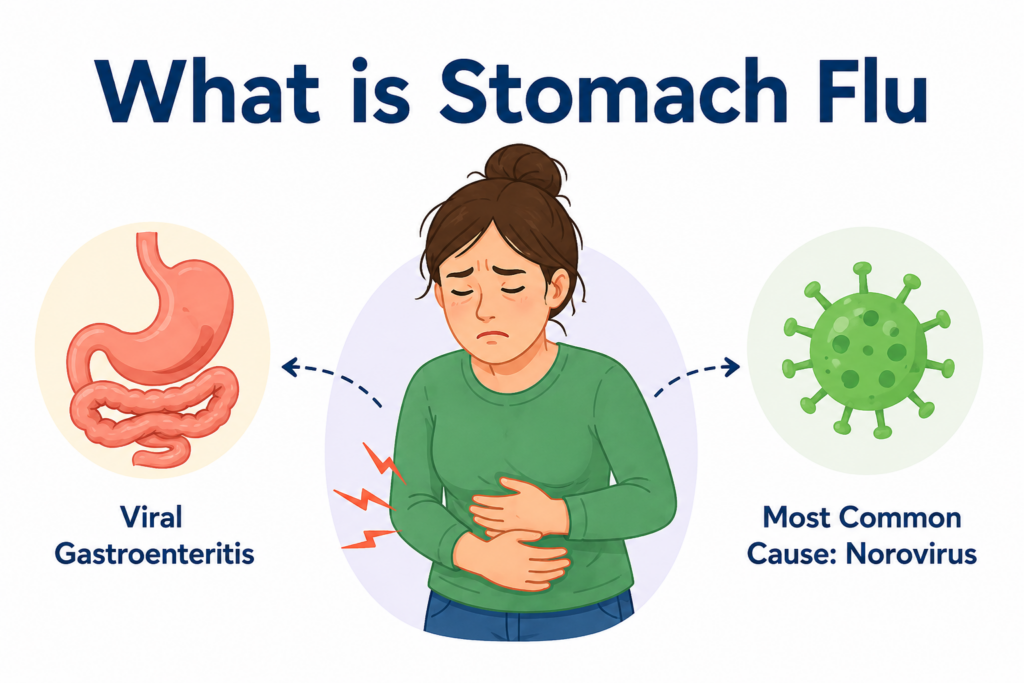
The stomach flu is not related to influenza at all. Doctors call it viral gastroenteritis, which means inflammation of the stomach and small intestine. Viruses cause the condition, and norovirus is the most common trigger in the United States. Norovirus causes between 19 and 21 million illnesses in the US every year, making it one of the most widespread infections around.
The stomach flu spreads through direct contact with an infected person. It also travels through contaminated surfaces and through contaminated food and water. Outbreaks happen frequently in schools, nursing homes, and cruise ships.
If your stomach pain feels more like a burning or gnawing ache than sharp cramps, our guide on gastritis symptoms, causes, and treatment covers that related condition in detail.
Common Stomach Flu Symptoms
Symptoms typically appear 12 to 48 hours after exposure. Most people recover within one to three days, though severe cases can last up to 10 days.
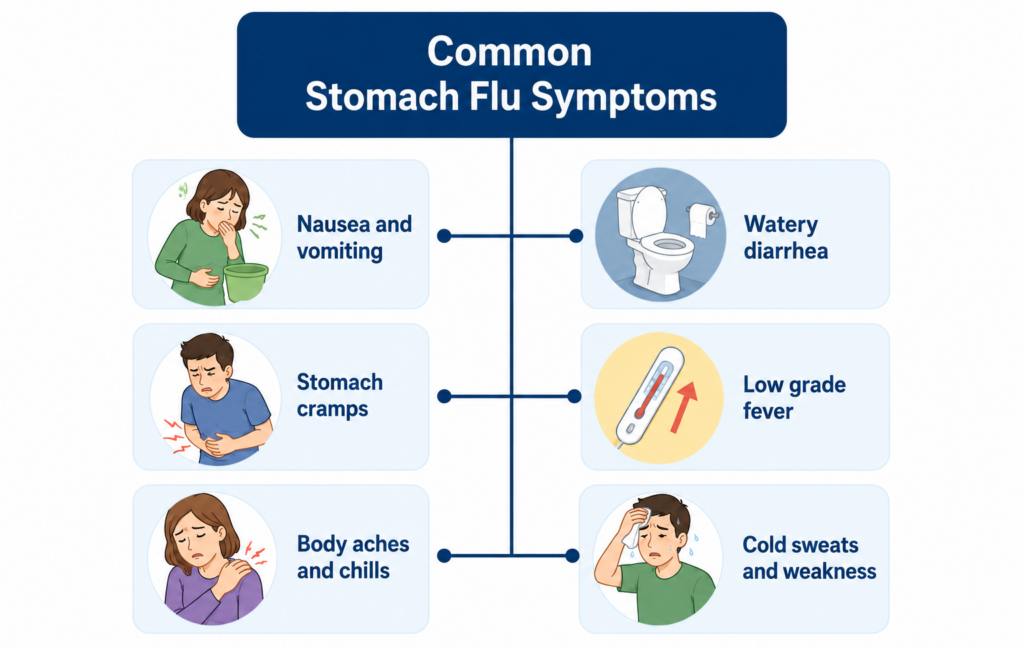
Common signs include:
- Nausea and vomiting
- Watery diarrhea
- Stomach cramps
- Low grade fever
- Body aches and chills
- Cold sweats and weakness
What Is Food Poisoning?
Food poisoning happens when you eat or drink something contaminated with harmful bacteria, viruses, or toxins. It is far more common than most people expect. About 48 million Americans get food poisoning each year, and around 128,000 of those cases require hospitalization.
Common Causes of Food Poisoning
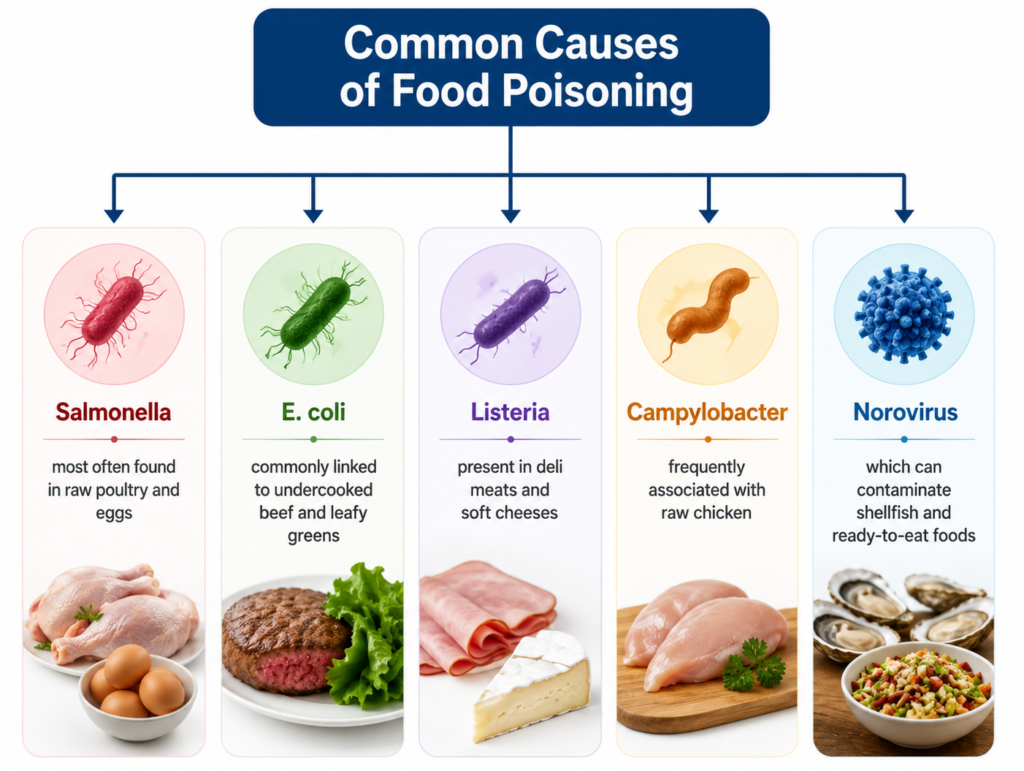
Many different pathogens cause food poisoning. The most frequent ones are:
- Salmonella, most often found in raw poultry and eggs
- E. coli, commonly linked to undercooked beef and leafy greens
- Listeria, present in deli meats and soft cheeses
- Campylobacter, frequently associated with raw chicken
- Norovirus, which can contaminate shellfish and ready-to-eat foods
Food poisoning symptoms often appear faster than stomach flu symptoms. Common signs include:
- Sudden nausea and vomiting
- Stomach cramps and abdominal pain
- Diarrhea, sometimes bloody
- Cold sweats and chills
- Low to high fever
The Key Differences Between Stomach Flu and Food Poisoning
Both illnesses feel very similar, but several factors set them apart. Much like telling a cold from allergies, the key is knowing what to look for and when your symptoms began.
| Feature | Stomach Flu | Food Poisoning |
|---|---|---|
| Primary Cause | Virus, usually norovirus | Bacteria, toxin, or virus in food |
| Symptom Onset | 12 to 48 hours after exposure | 30 minutes to 48 hours after eating |
| Fever | Low grade, common | Mild to high, varies by cause |
| Bloody Diarrhea | Rare | More common in bacterial cases |
| Body Aches | Common | Less common |
| Duration | 1 to 3 days, up to 10 | Hours to several days |
| How It Spreads | Person to person | Contaminated food or water |
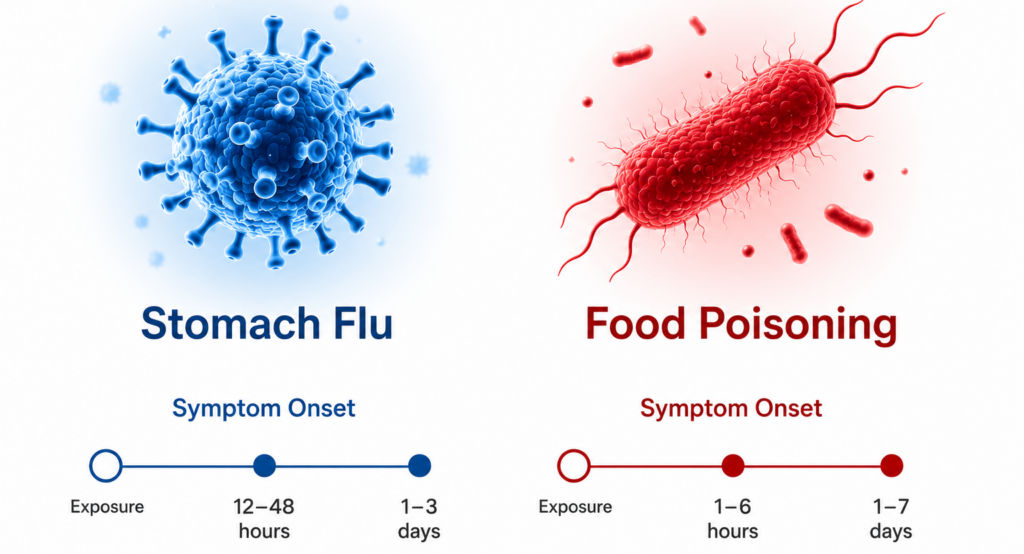
When comparing flu vs food poisoning, the two most useful questions are simple. Did you feel completely fine before a meal and then get sick quickly afterward? Or have you recently spent time near someone who was ill? Your answers will point you toward the right explanation.
Stomach Pains and Cold Sweats During Illness
Cold sweats alongside stomach pain are a clear sign your body is under serious stress. You may feel clammy, break out in sudden sweating, and feel weak all at once. This combination shows up in both conditions, though for slightly different reasons.
With food poisoning, cold sweats often arrive fast. Your body reacts to the toxin or harmful pathogen almost immediately, and the physical stress triggers sweating right away. With the stomach flu, cold sweats tend to build gradually alongside fever and chills as the infection progresses.
If severe stomach pains and cold sweats hit together with dizziness or confusion, do not wait to be seen. Those signs can point to dangerous dehydration or a serious bacterial infection that needs prompt medical care.
How to Treat a Stomach Ache with Diarrhea and Vomiting
Treatment for both the stomach flu and food poisoning follows the same core approach. Rest and fluids are your two most important tools.
Here is what helps most.
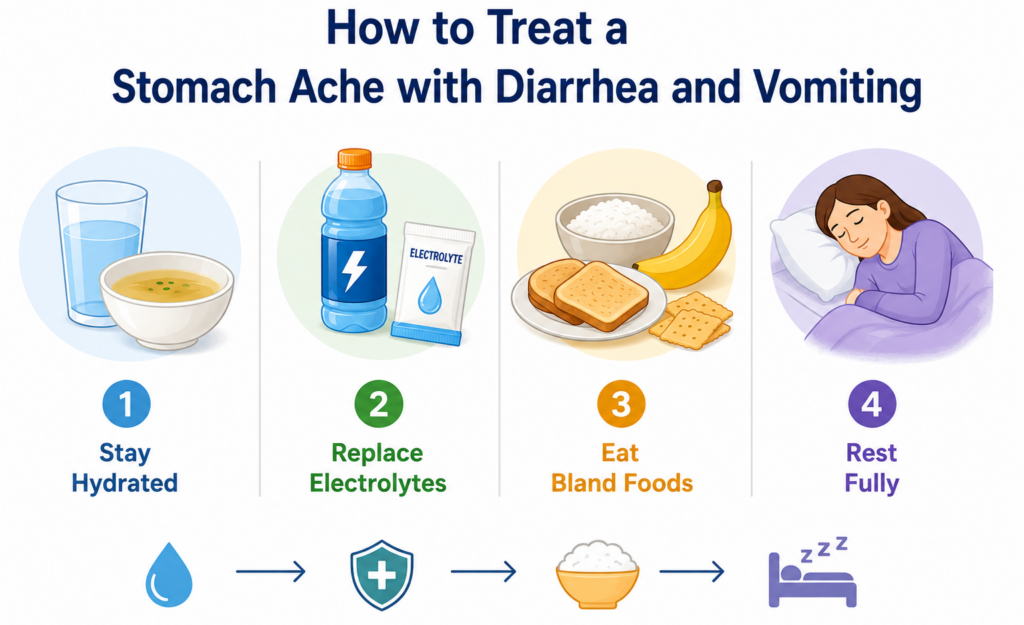
- Stay hydrated. Drink water, clear broth, or an oral rehydration solution in small, steady sips. Sugary juices and alcohol both worsen diarrhea and should be avoided.
- Replace electrolytes. Vomiting and diarrhea drain sodium and potassium quickly. Sports drinks or electrolyte packets help restore the balance.
- Eat bland foods. Once you can keep something down, start with toast, crackers, rice, or bananas. Avoid fatty or spicy foods until you feel completely better.
- Rest fully. Your immune system works hardest when you are sick. Give it the time it needs.
For a closer look at how different types of water affect your hydration, our article on alkaline water benefits and risks goes into helpful detail.
Who Faces the Highest Risk
Most healthy adults recover from both illnesses without major problems. However, certain groups face a higher chance of serious complications.
Those at greatest risk include:
- Adults aged 65 and older
- Children under five years old
- Pregnant women
- People with weakened immune systems or chronic health conditions
For these individuals, dehydration can develop fast and turn dangerous quickly. If you are pregnant and dealing with stomach illness symptoms, our guide on safe home remedies during pregnancy has helpful practical tips. For anyone in a high risk group, seek medical care sooner rather than later if symptoms are severe.
When to See a Doctor
Most cases of stomach flu and food poisoning resolve on their own within a few days. However, some symptoms signal a more serious problem.
Call your doctor or visit urgent care if you notice any of the following.
- A fever above 102°F (38.9°C)
- Blood in your stool or vomit
- Symptoms lasting more than three days
- Signs of dehydration such as dry mouth, little or no urination, or extreme dizziness
- Stomach pain that does not ease
- Confusion or fainting
Go to the emergency room right away if you cannot keep any fluids down or feel dangerously weak. A high fever during illness can also significantly raise your heart rate, and we explain what that means in our article on elevated heart rate when sick.
How to Prevent Stomach Flu and Food Poisoning
Prevention is one of the most powerful tools you have. Many cases of both illnesses are entirely avoidable with consistent good habits.
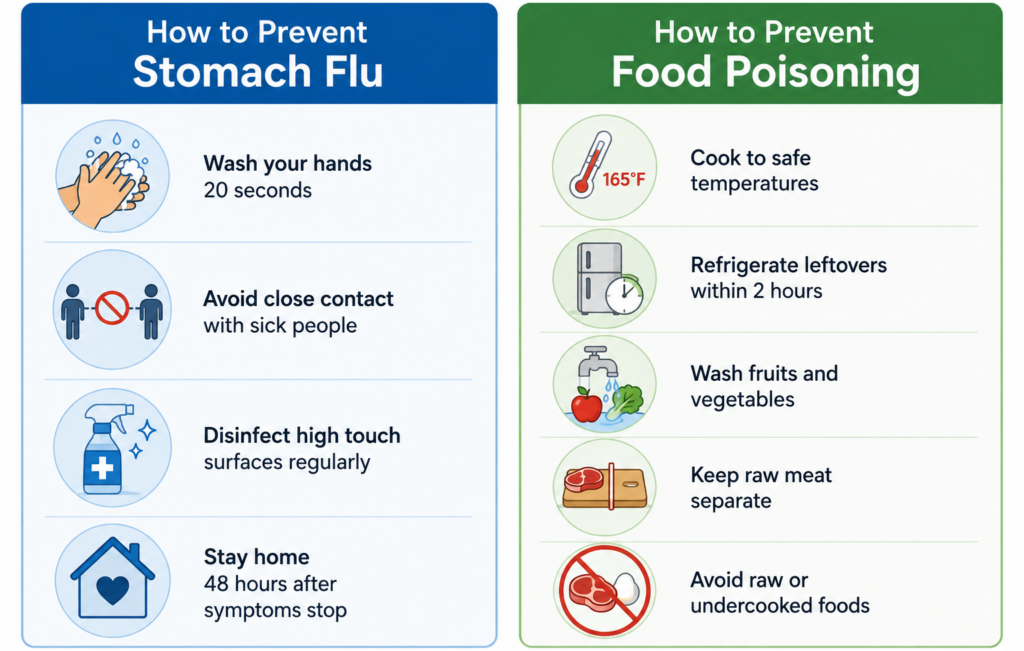
To prevent the stomach flu:
- Wash your hands with soap and water for at least 20 seconds
- Avoid close contact with anyone who is currently sick
- Disinfect high touch surfaces like door handles and countertops regularly
- Stay home until at least 48 hours after symptoms fully stop
To prevent food poisoning:
- Cook poultry to an internal temperature of 165°F and ground beef to 160°F
- Refrigerate leftovers within two hours of cooking
- Wash all fruits and vegetables thoroughly before eating
- Keep raw meat completely separate from other foods on your cutting board
- Never eat raw or undercooked eggs, meat, or shellfish
Good hand hygiene is your single best defense against both viral and bacterial gut infections of any kind.
Understanding the difference between stomach flu and food poisoning puts you in a much better position when either illness strikes. Both conditions share many of the same symptoms, but timing, cause, and the specific nature of your symptoms point toward the right answer. Rest, stay hydrated, and watch carefully for any warning signs that need professional care. At BannerHealth.io, we provide clear and reliable health information so you can make smart decisions for yourself and your family.
Frequently Asked Questions
What is the main difference between stomach flu and food poisoning?
The main difference is the cause. Stomach flu comes from a virus, most often norovirus. Food poisoning results from eating or drinking something contaminated with bacteria, a toxin, or a virus. Timing is also different. Stomach flu symptoms take 12 to 48 hours to appear, while food poisoning can hit within 30 minutes of eating.
Can food poisoning cause cold sweats?
Yes. Food poisoning cold sweats are common and happen because your body reacts to a harmful germ or toxin by triggering a physical stress response. That response includes sudden, intense sweating even when you feel cold. Cold sweats also appear with the stomach flu, typically alongside fever and body chills.
How long does food poisoning last compared to the stomach flu?
Duration depends on the cause. Mild toxin-based cases may clear in a few hours. Bacterial infections like Salmonella can keep you sick for four to seven days. The stomach flu usually resolves within one to three days. Severe norovirus infections, however, can last up to 10 days.
Should I go to the ER for food poisoning?
Most cases do not need emergency care. Go to the ER if you cannot keep fluids down, have a fever above 102°F, notice blood in your vomit or stool, or show signs of severe dehydration. High risk groups, including young children, pregnant women, and older adults, should seek care sooner than others.
What are the signs of dehydration from stomach flu or food poisoning?
Signs include a dry or sticky mouth, dark yellow urine, little or no urination, dizziness when standing, and extreme fatigue. In young children, look for crying without tears and a soft spot on the head that appears sunken. Dehydration develops quickly and needs prompt medical attention to avoid serious complications.
Is the stomach flu contagious?
Yes, the stomach flu is highly contagious. Norovirus spreads through contact with infected people, contaminated surfaces, and contaminated food or water. You can also pass the virus to others for two to three days after your symptoms stop. Staying home during that time is important to protect others.
Can you have stomach flu and food poisoning at the same time?
This is rare but possible. You could have a viral stomach infection while separately eating something contaminated. If your symptoms feel unusually severe or last far longer than expected, see a doctor. Testing can confirm whether bacteria, a virus, or both are responsible for your illness.
What is the fastest way to recover from a stomach ache with diarrhea and vomiting?
Start by staying hydrated with water or an oral rehydration solution taken in small, frequent sips. Rest as much as possible and introduce bland foods like rice, toast, or crackers once your stomach settles. Avoid dairy, fatty foods, and alcohol throughout recovery. Most adults feel significantly better within two to three days.
Written by Theo James
The information on this page is for general educational purposes only and is not a substitute for professional medical advice, diagnosis, or treatment. Always talk with your doctor or another qualified healthcare provider about any questions you have regarding a medical condition. Never ignore professional medical advice or delay seeking it because of something you read on the internet.