
Foods That Cause Ear Wax and What Your Diet Does to ENT Health
What Are Foods That Cause Ear Wax Buildup

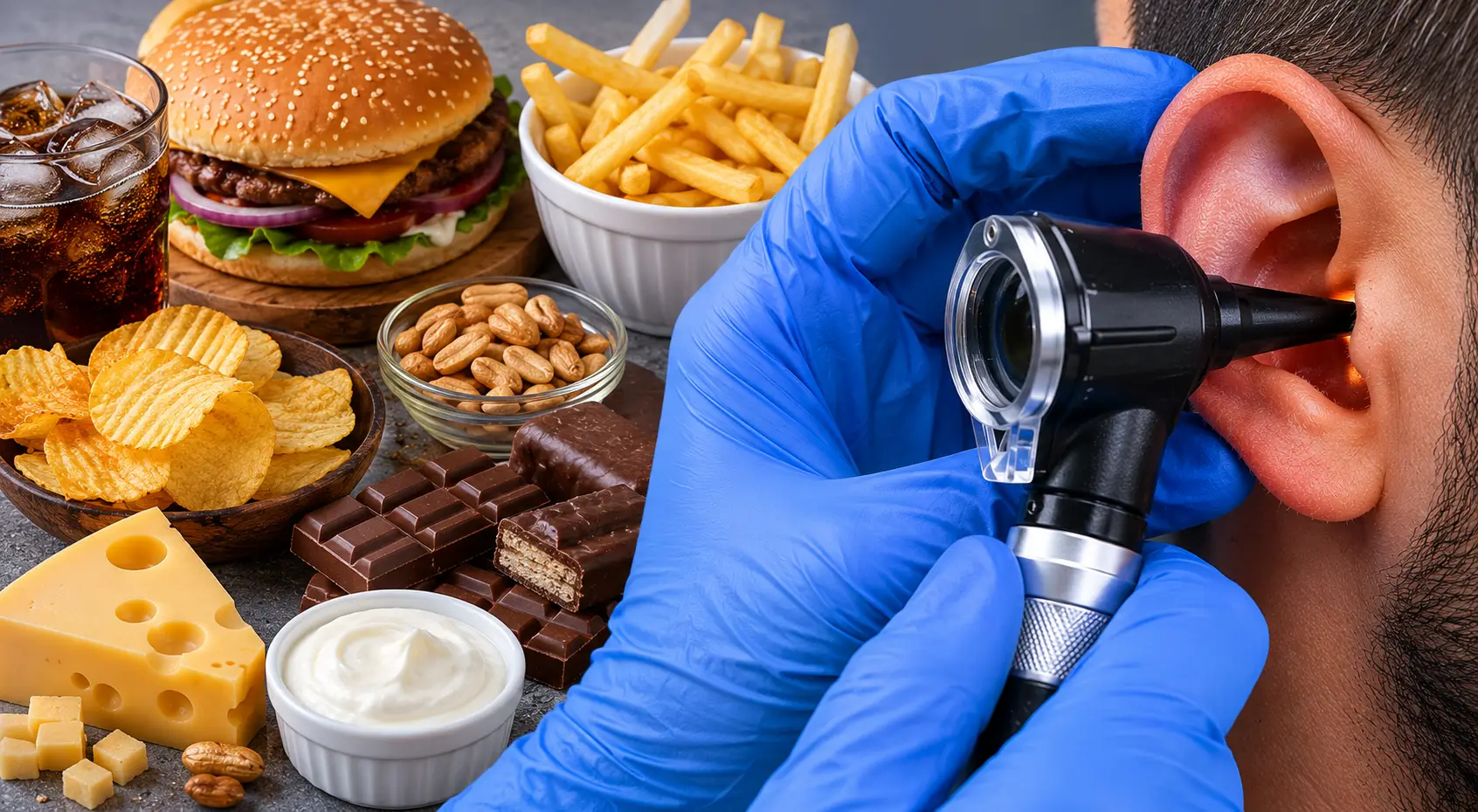
Ear wax, known medically as cerumen, is a normal and protective substance your body produces. It traps dust, lubricates the ear canal, and fights off bacteria. But certain foods can push your body to produce more of it, or make it stickier and harder to clear naturally.
Dairy Products
Dairy is the food most often linked to increased ear wax. Milk, cheese, butter, and ice cream contain a protein called casein. In people sensitive to casein, the body responds by producing more mucus and thicker secretions throughout the ear, nose, and throat. If your ears feel plugged after a heavy dairy meal, that may be part of the explanation. Research on this connection is still mixed, but many people report real relief after cutting back for two or three weeks.
Saturated and Trans Fats
Foods high in saturated fat, such as fried chicken, fast food burgers, and packaged snacks made with hydrogenated oils, promote systemic inflammation throughout the body. Chronic low grade inflammation changes the consistency of ear wax, making it stickier and more likely to clump inside the ear canal. The Cleveland Clinic notes that diets heavy in processed and fried foods raise inflammation markers in mucosal tissues, including those lining the ear.
Refined Sugar and High-Fructose Corn Syrup
A diet high in refined sugar feeds bacterial and fungal growth throughout the body. Some research suggests that high sugar intake worsens ear canal conditions, particularly in people already prone to ear infections or outer ear irritation. Sodas, packaged pastries, candy, and sugar-heavy breakfast cereals are the biggest culprits to watch.
Gluten for Those with Sensitivity
People with celiac disease or non-celiac gluten sensitivity often report increased mucus production and ear fullness when eating gluten-containing foods. Wheat bread, pasta, and baked goods are the most common sources. This connection does not apply to everyone, but if you have a diagnosed gluten sensitivity, reducing gluten may ease ear pressure and congestion noticeably.
Foods That Cause Congestion
Congestion is more than a stuffy nose. Your nasal passages share airflow and drainage pathways with your ears and throat, so what blocks one area often blocks the others too.
Does Dairy Make You More Congested
This is one of the most commonly searched questions about diet and ENT health, and the honest answer depends on the person. A study published in the American Review of Respiratory Disease found no significant increase in mucus production in healthy adults after drinking milk. However, people with a true dairy sensitivity or lactose intolerance often find that dairy thickens existing mucus, making congestion feel noticeably worse even if it does not create congestion from nothing. If you suspect dairy is a trigger for you, try eliminating it for two full weeks and pay attention to how your breathing and ear pressure change.
Alcohol
Alcohol causes blood vessels in the nasal lining to dilate and swell. Even one or two drinks can leave you feeling stuffy, especially if you have any underlying allergies or sinus sensitivity. Red wine and beer tend to be the worst offenders because they also contain histamines, natural compounds that directly trigger nasal congestion and swelling.
Histamine-Rich Foods
Histamine is a compound found naturally in aged and fermented foods. In people with histamine intolerance, it triggers sneezing, runny nose, sinus pressure, and watery eyes. Common high histamine foods include aged cheeses, red wine, fermented sauerkraut, cured meats, vinegar-based sauces, and smoked fish. If your congestion flares after eating these foods, histamine intolerance may be worth discussing with your doctor.
Processed and Packaged Foods
Preservatives, artificial colorings, and high sodium levels in processed foods can irritate the mucosal lining of your nose and throat. High sodium diets also promote fluid retention, which shows up as puffiness in nasal tissues and increased sinus pressure that takes days to resolve.
Ear Infection Diet: What to Eat and What to Skip
If you get frequent ear infections or are recovering from one right now, your diet is a real factor worth addressing.
Best Food for Ear Infection Recovery
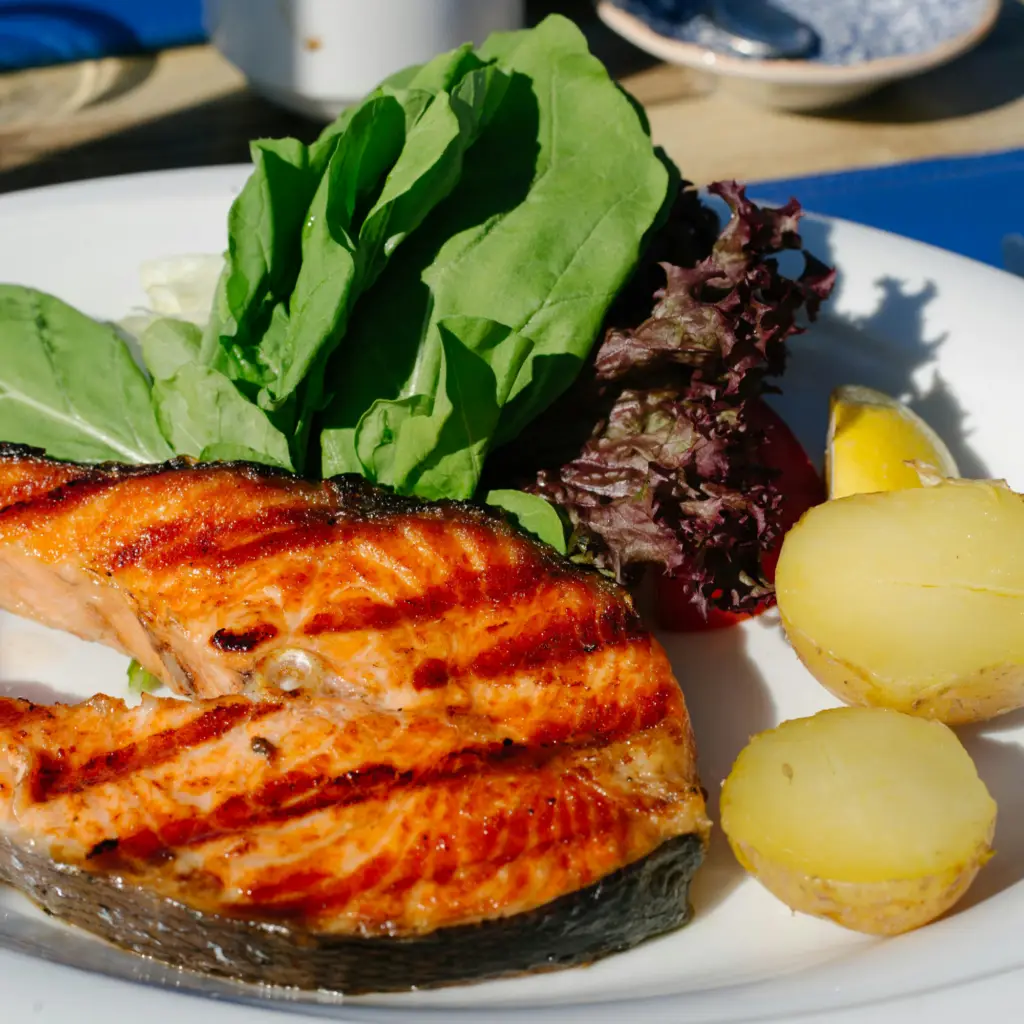
Foods that fight inflammation and support immune function are your best allies when your ear is infected. These are some of the most evidence-backed options.
- Garlic contains allicin, a compound with natural antimicrobial properties. The NIH has published research on allicin’s ability to inhibit certain bacterial strains.
- Ginger is a natural anti-inflammatory that may help reduce swelling in the Eustachian tube during infection.
- Turmeric contains curcumin, which has been widely studied for its anti-inflammatory and antimicrobial effects.
- Bone broth is rich in collagen and amino acids that support mucosal tissue repair during recovery.
- Leafy greens like spinach, kale, and Swiss chard are high in vitamin C and zinc, both of which strengthen immune function during infection.
- Wild-caught salmon and mackerel provide omega-3 fatty acids that reduce the inflammatory response in ear tissue.
Foods to Skip During an Ear Infection
During an active ear infection, these foods can slow your recovery.
- Sugary snacks and drinks that feed bacterial growth
- Dairy products if you tend to produce excess mucus
- Alcohol, which suppresses immune function
- Highly processed foods that trigger body-wide inflammation
The Ear and Nose Connection You Need to Know About
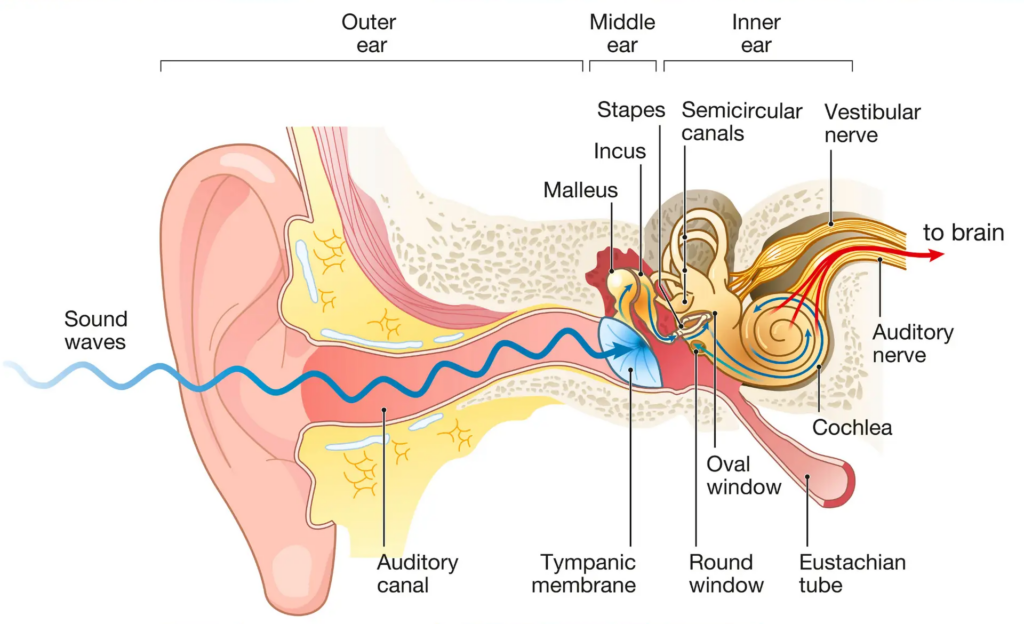
The ear and nose are not separate systems. They are physically linked through the Eustachian tube, a small canal that runs from the back of the nasal cavity into the middle ear. When the nasal lining gets inflamed or congested, that inflammation travels right up the Eustachian tube and into the middle ear. This is why a bad head cold almost always comes with muffled hearing or ear pressure.
This connection also explains why foods that cause nasal congestion can directly affect your ears. A high histamine meal that swells your nasal tissues can temporarily affect your hearing by blocking the Eustachian tube. Over time, chronic dietary inflammation can contribute to recurring ear infections, fluid behind the eardrum, and even age related hearing loss.
Research published through PubMed shows that diets high in antioxidants and omega-3 fatty acids are associated with lower rates of age related hearing loss. What you eat over years has a measurable effect on ear function, not just ENT symptoms in the short term.
Foods for Ear Health: What to Add to Your Plate
| Food Group | Best Options | Key Benefit for ENT Health |
| Omega-3 rich foods | Salmon, sardines, walnuts, flaxseed | Reduces inflammation in ear tissue and supports hearing |
| Antioxidant-rich produce | Blueberries, bell peppers, broccoli | Fights oxidative stress linked to hearing loss |
| Zinc rich foods | Pumpkin seeds, chickpeas, oysters | Strengthens immune defense in the ear and throat |
| Vitamin D sources | Fortified foods, egg yolks, sunlight | Low vitamin D is linked to higher ear infection rates |
| Probiotic foods | Plain yogurt, kefir, kimchi | Supports gut immunity, which influences ENT infection risk |
| Hydrating foods | Cucumbers, watermelon, herbal teas | Keeps mucus thin and easier for the body to clear |
Spicy foods like chili peppers contain capsaicin, which temporarily thins mucus and improves nasal drainage. Many people reach for hot soup or spicy meals during a congestion flare for this reason. The effect is real and well documented, though it is a temporary relief tool rather than a treatment.
When to See a Doctor
Dietary changes can support ENT health, but they are not a replacement for medical care. See your doctor if you have any of the following.
- Ear pain that lasts more than two days
- Sudden or noticeable hearing loss in one or both ears
- Ear wax blockage thick enough to affect your hearing
- Recurring sinus infections, meaning more than three per year
- Nasal congestion that does not clear after two full weeks
- A child under two years old with ear infection symptoms
Never try to remove deep ear wax at home with cotton swabs or ear candles. Both can push wax deeper into the canal or damage the eardrum. A healthcare provider can safely flush or manually remove impacted wax in a few minutes.
A Practical Weekly Eating Plan for Better ENT Health
You don’t need an extreme elimination diet to see results. Small, consistent changes add up over time.
- Swap one dairy-heavy meal per day with a dairy-free alternative for two weeks, then track your congestion level honestly
- Add fatty fish like salmon or mackerel to your meals twice a week for omega-3 benefits
- Replace sugary drinks with water, herbal tea, or warm broth during congestion flares
- Add one serving of leafy greens per day for zinc and vitamin C
- If you drink alcohol, limit intake and choose lower histamine options like clear spirits over red wine or beer
- Season your cooking with garlic, turmeric, and ginger as often as possible
These are small asks with meaningful payoff for your ears, nose, and throat over months and years.
Your diet shapes how your whole body functions, and your ears, nose, and throat are no exception. Cutting back on foods that cause ear wax buildup, congestion, and inflammation, while adding more omega-3s, antioxidants, and immune supporting nutrients, gives your ENT system a real advantage. Start with one or two changes, pay attention to how your body responds, and talk with your doctor if symptoms persist or get worse.
Frequently Asked Questions
Do certain foods really cause ear wax buildup?
Yes, some foods are linked to increased or thicker ear wax production. Dairy, foods high in saturated fat, and refined sugar are the most commonly reported. The connection is tied to inflammation and mucus changes in the mucosal tissues of the ear canal. Cutting back on these foods may help if you’re prone to frequent buildup or blockages.
Does dairy make you more congested?
For most healthy people, dairy does not directly increase mucus production. However, people with dairy sensitivity or lactose intolerance often find that dairy thickens existing mucus and makes congestion feel worse. If you suspect dairy is a trigger, eliminate it for two full weeks and track whether your symptoms improve before drawing a conclusion.
What is the best food for ear infection recovery?
Garlic, ginger, turmeric, leafy greens, and omega-3 rich fish like salmon rank among the best options. These foods support immune function and reduce inflammation in ear tissue. Always pair dietary support with any antibiotic or treatment your doctor prescribes. Food alone is not an ear infection treatment.
What foods cause congestion?
Alcohol, high histamine foods like aged cheese, red wine, and cured meats, dairy in sensitive individuals, and high sodium processed foods are the biggest dietary drivers of nasal congestion. Histamine-rich foods in particular can trigger sneezing, runny nose, and sinus pressure within minutes in people with histamine intolerance.
What is the ear and nose connection and how does food affect it?
The Eustachian tube connects the back of the nose directly to the middle ear. When nasal inflammation caused by diet swells that tube, it creates ear pressure, muffled hearing, and raises the risk of ear infections. Foods that reduce nasal inflammation, like omega-3 rich fish and antioxidant-packed vegetables, protect both systems at once.
What foods are best for long-term ear health?
Omega-3 fatty acids from salmon, sardines, and walnuts are the most well-studied foods for preserving hearing health over time. Zinc from pumpkin seeds and oysters, vitamin C from citrus and bell peppers, and vitamin D from fortified foods all play roles in maintaining ear function and fighting infections. A consistent, anti-inflammatory diet is the single best long-term strategy.
Written by Theo James
The information on this page is for general educational purposes only and is not a substitute for professional medical advice, diagnosis, or treatment. Always talk with your doctor or another qualified healthcare provider about any questions you have regarding a medical condition. Never ignore professional medical advice or delay seeking it because of something you read on the internet.