
Saffron Health Benefits, Dosage and Side Effects
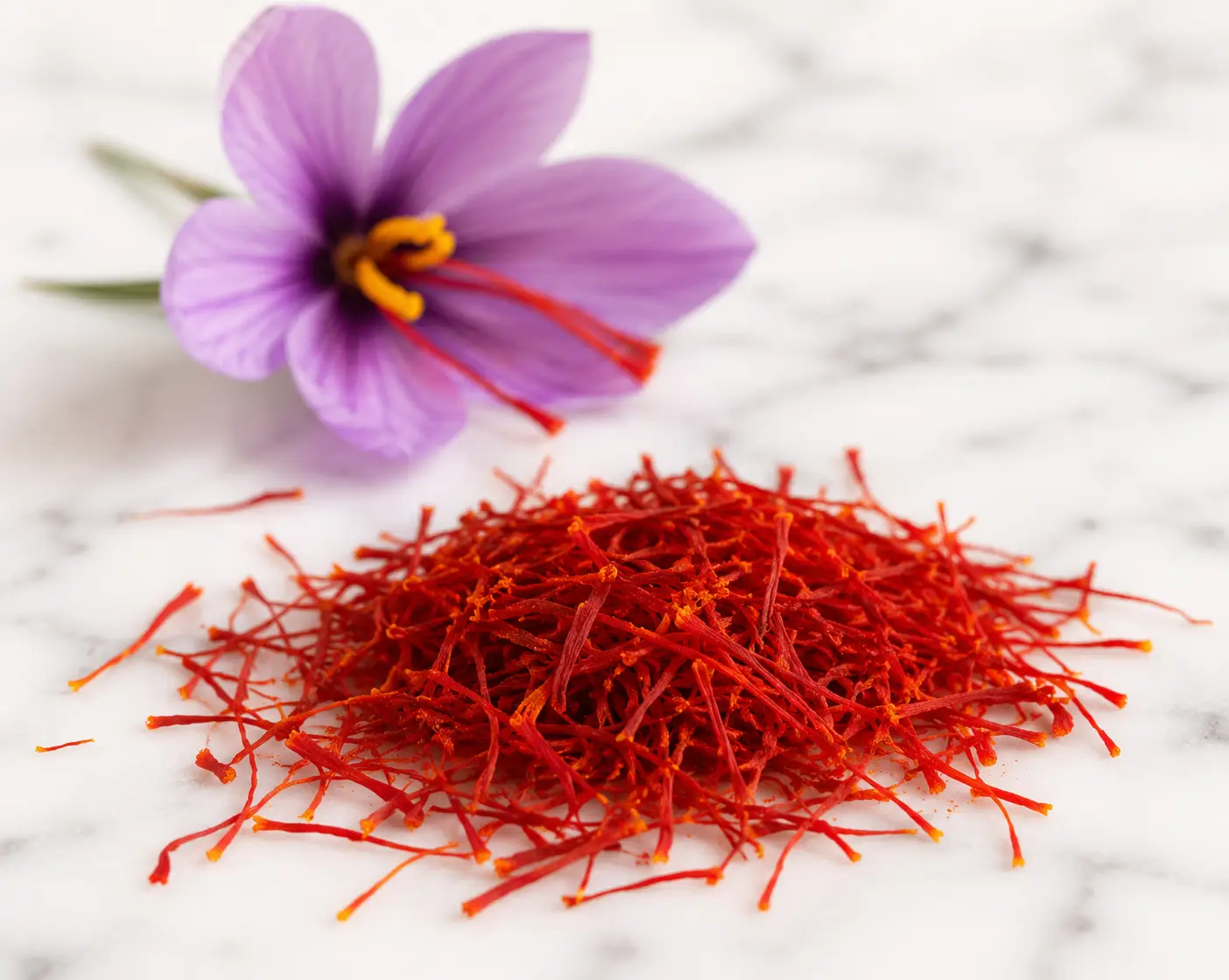
Modern science links this golden spice to measurable improvements in mood, eye function, hormonal balance, and heart health. You might know saffron as the world’s most expensive spice by weight. What you might not know is that peer-reviewed nutrition research has spent decades studying exactly what it does inside your body.
What Makes Saffron So Powerful
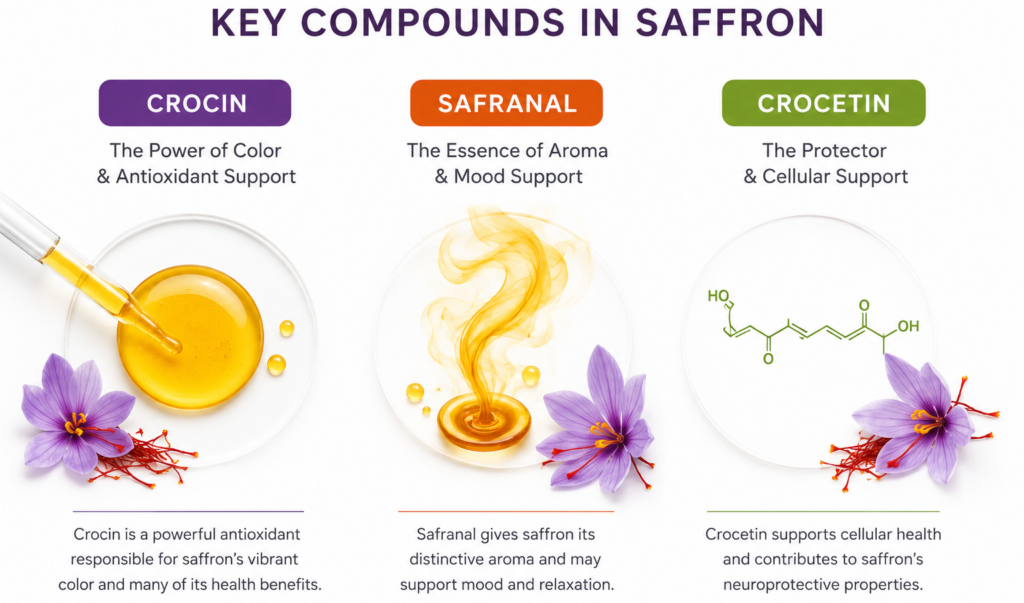
Saffron gets its effects from three main active compounds. Together, they explain why this spice shows up in research on conditions as different as depression and macular degeneration.
- Crocin is a carotenoid antioxidant. It gives saffron its golden color and protects your cells from oxidative damage.
- Safranal creates saffron’s signature aroma. Research shows it has calming and antidepressant properties in the brain.
- Crocetin supports oxygen circulation in the blood and shows strong anti inflammatory effects in published studies.
These three compounds work across multiple body systems at once. That is why the list of studied saffron health benefits covers so many different conditions.
If you’re also researching other ancient natural compounds now backed by modern science, our guide on shilajit benefits covers another powerful botanical with a growing clinical record.
Saffron Health Benefits for Mood and Brain Function
The strongest evidence for saffron health benefits sits in the mood and cognitive health category. A 2025 study in the American Journal of Clinical Nutrition tested saffron in a randomized, double blind, placebo controlled trial. Adults with subclinical depression symptoms who took saffron daily saw significant mood improvements compared to placebo.
Saffron works on mood through two key pathways.
- It inhibits the serotonin transporter, keeping more serotonin available in the brain.
- It also promotes GABA, the brain’s primary calming neurotransmitter.
These two effects together explain why multiple clinical trials have compared saffron to standard antidepressants. Results are promising, though saffron is not a replacement for prescribed treatment without your doctor’s guidance. Additionally, a 2025 Frontiers in Nutrition review found that saffron supplementation improved cognitive outcomes in people with age related and neurodegenerative conditions.
Saffron Benefits for Women

Saffron has specific benefits that are especially relevant to women’s health. A 2024 systematic review in Annals of Medicine and Surgery confirmed saffron’s role across multiple areas of reproductive and hormonal health. Here is what the clinical data shows.
- PMS relief. Women who took 30 mg of saffron daily during the luteal phase saw a significant reduction in PMS severity. About 70% of participants reported a 50% drop in symptom intensity.
- Menstrual pain. A randomized controlled trial found that 15 mg taken twice daily for three days significantly reduced dysmenorrhea compared to placebo.
- Menopause support. Saffron’s serotonin boosting effects may ease mood swings and sleep disruptions during the menopause transition.
- Hormonal balance. Animal studies show saffron influences estrogen, progesterone, luteinizing hormone, and follicle stimulating hormone levels.
These findings represent some of the strongest clinical evidence for saffron’s real-world uses. Yet most general saffron guides skip this topic entirely.
How Saffron Health Benefits Your Eyes
Saffron’s carotenoids, especially crocin and crocetin, protect the photoreceptor cells in your retina from oxidative stress. A 2024 NIH review published in PMC confirmed that saffron supplementation improved visual acuity and retinal function in patients with age related macular degeneration. Doses of 20 to 50 mg daily over three to twelve months produced measurable improvements on visual testing.
Saffron also shows anti angiogenic activity. This means it may help slow the growth of abnormal blood vessels in the retina, which is a core problem in wet macular degeneration. For anyone with early stage macular degeneration, saffron supplementation is worth raising with an ophthalmologist.
Saffron and Heart Health
Saffron may support your cardiovascular system through several overlapping pathways. Crocetin improves oxygen delivery in the blood, which reduces strain on your heart over time. Meanwhile, crocin’s anti inflammatory effects may lower arterial inflammation, which is a key driver of heart disease.
Research also shows saffron may reduce LDL cholesterol and limit lipid peroxidation. Lipid peroxidation is the process where fat molecules in the bloodstream oxidize and damage artery walls. By slowing this process, saffron offers cellular protection that few common kitchen spices can match. These cardiovascular effects are generally associated with consistent supplementation rather than occasional culinary use.
How Much Saffron Per Day Is Safe
Knowing how much saffron per day is safe is just as important as understanding its benefits. The right amount depends on why you are using it.
| Use Type | Daily Amount | Notes |
|---|---|---|
| Culinary cooking | 10 to 15 threads | Safe for regular meals |
| Mood and depression | 30 mg extract | Most widely studied dose |
| Eye health support | 20 to 50 mg extract | Used over 3 to 12 months in trials |
| Upper safe limit | Up to 1.5 g per day | Side effects increase above this |
| Toxic threshold | Above 5 g per day | Avoid entirely |
For most general health purposes, 30 mg of standardized saffron extract per day aligns with the majority of published trials. A PubMed safety review confirmed that saffron at therapeutic doses is well tolerated in clinical settings lasting up to six months.
Saffron Uses and Side Effects
Saffron is safe in culinary amounts for most healthy adults. At the standard 30 mg per day supplement dose, most people tolerate it without trouble. However, side effects can appear at higher doses.
Common mild side effects include:
- Nausea or upset stomach
- Mild headache
- Changes in appetite
- Drowsiness or mild anxiety at elevated doses
Two drug interactions deserve particular attention. First, saffron raises serotonin availability in the brain. Combining it with SSRIs like sertraline or fluoxetine creates a risk of serotonin syndrome. Second, saffron may lower blood pressure. Adding supplements on top of blood pressure medication could push your levels too low. Always check with your doctor before combining saffron supplements with any prescription drug.
Pregnancy. High dose saffron stimulates uterine contractions and carries a miscarriage risk. Do not take saffron supplements during pregnancy. Culinary amounts in food are generally considered acceptable, but always confirm with your doctor.
How to Use Saffron in Food
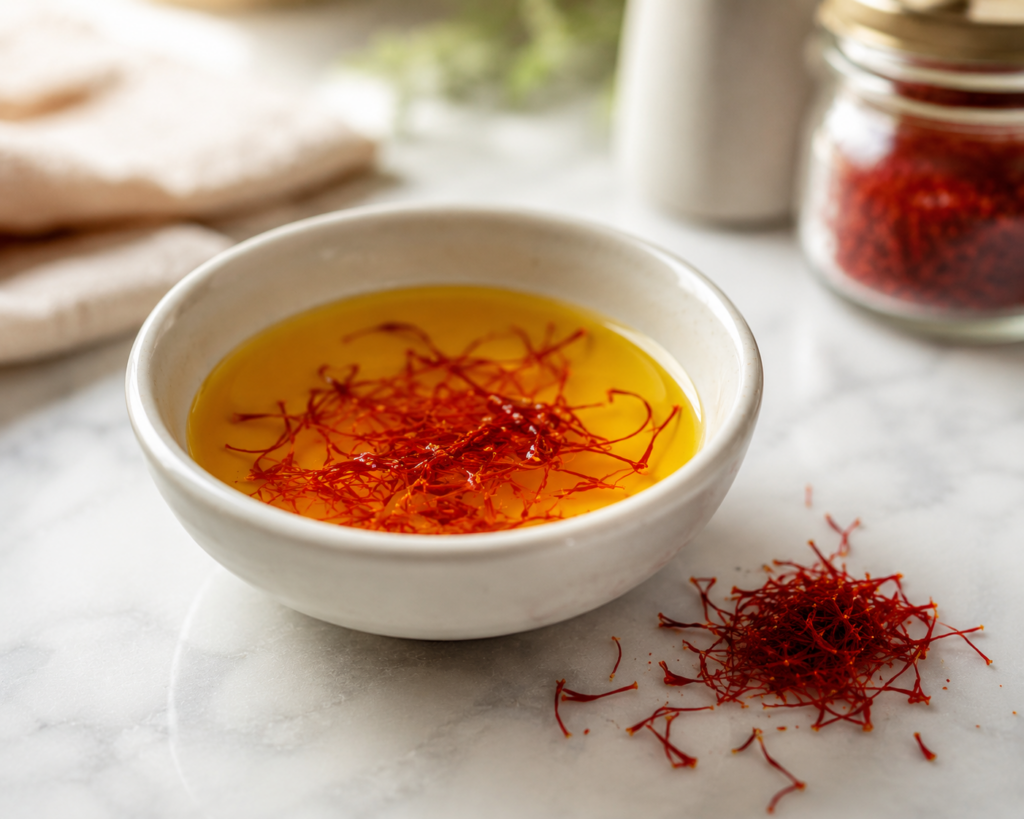
The single most important step when using saffron in food is blooming the threads first. Blooming means soaking the threads in warm liquid before adding them to your dish. This releases the color, aroma, and active compounds far more effectively than adding raw threads directly to hot food.
Follow these steps to bloom saffron.
- Take 10 to 15 threads for a standard family sized recipe.
- Place them in 2 to 3 tablespoons of warm water, milk, or broth.
- Let them soak for 10 to 15 minutes.
- Add the liquid and threads directly into your dish.
Once bloomed, saffron works well in rice dishes, soups, stews, and warm drinks. For a simple saffron tea, steep 6 to 8 threads in hot but not boiling water for 10 minutes, then add honey if you prefer. Avoid boiling water as it breaks down the delicate compounds that drive saffron’s benefits.
For those building a broader natural wellness routine, our overview of what cupping therapy is and how it works is another useful resource for evidence-based alternative health options.
When to Talk to Your Doctor
Saffron is a food and a supplement, not a prescription medication. That said, some people should speak with a doctor before adding saffron supplements to their routine.
Talk to your doctor first if you:
- Take any antidepressant, including SSRIs or SNRIs
- Use blood pressure medication
- Are pregnant or trying to conceive
- Have a bipolar disorder diagnosis
- Take any blood thinning medication
For healthy adults using saffron in normal cooking, no medical consultation is needed. If you are considering a saffron supplement for a specific condition, bring it up at your next appointment before starting.
Frequently Asked Questions
What does saffron do for the body?
Saffron delivers antioxidants called crocin and safranal to your cells. These compounds fight oxidative stress, reduce inflammation, support serotonin production in the brain, and protect retinal cells from damage. Regular use at studied doses shows measurable benefits for mood, eye function, heart health, and hormone balance in women.
What are the main saffron benefits for women?
Research shows saffron can reduce PMS symptoms by up to 50% in many women when taken at 30 mg daily. It also reduces menstrual pain and may ease mood swings and sleep problems during menopause. A 2024 review in Annals of Medicine and Surgery confirmed these findings across multiple clinical trials focused on women’s reproductive health.
How much saffron per day is safe?
For culinary use, 10 to 15 threads per recipe is safe for daily cooking. For supplement use, clinical trials typically use 30 mg of standardized extract per day for mood support and 20 to 50 mg daily for eye health. Doses above 1.5 g per day increase the risk of side effects. Doses above 5 g per day are considered toxic.
What are the side effects of saffron?
At standard doses, side effects are mild and may include nausea, headache, appetite changes, or drowsiness. More serious risks come from drug interactions, particularly with SSRIs, where combining them with saffron may raise serotonin to unsafe levels. High dose saffron also carries a miscarriage risk during pregnancy and should be avoided.
How do you use saffron in food?
Always bloom the threads before using them. Soak 10 to 15 saffron threads in warm water, milk, or broth for 10 to 15 minutes. Then add the entire liquid and threads to your recipe. This step releases the active compounds and color far more effectively than placing raw threads directly into a hot dish.
Written by Theo James
The information on this page is for general educational purposes only and is not a substitute for professional medical advice, diagnosis, or treatment. Always talk with your doctor or another qualified healthcare provider about any questions you have regarding a medical condition. Never ignore professional medical advice or delay seeking it because of something you read on the internet.