
Why Does My Throat Hurt When I Wake Up and What to Do

Why Your Throat Hurts When You Wake Up
A morning sore throat is usually your body’s way of telling you something irritated the lining of your throat overnight. That irritation can come from several different directions. According to NIH MedlinePlus, sore throats are one of the most common medical complaints in the US and can result from infections, irritants, environmental conditions, or physical factors like sleep-related breathing patterns.
Your throat is lined with mucous membranes that need steady moisture to stay comfortable. Anything that dries those membranes out for hours at a time, or repeatedly aggravates them, will produce that raw, scratchy feeling you notice the moment you wake up.
Common Causes of Throat Pain in the Morning
Dry Air and Low Humidity
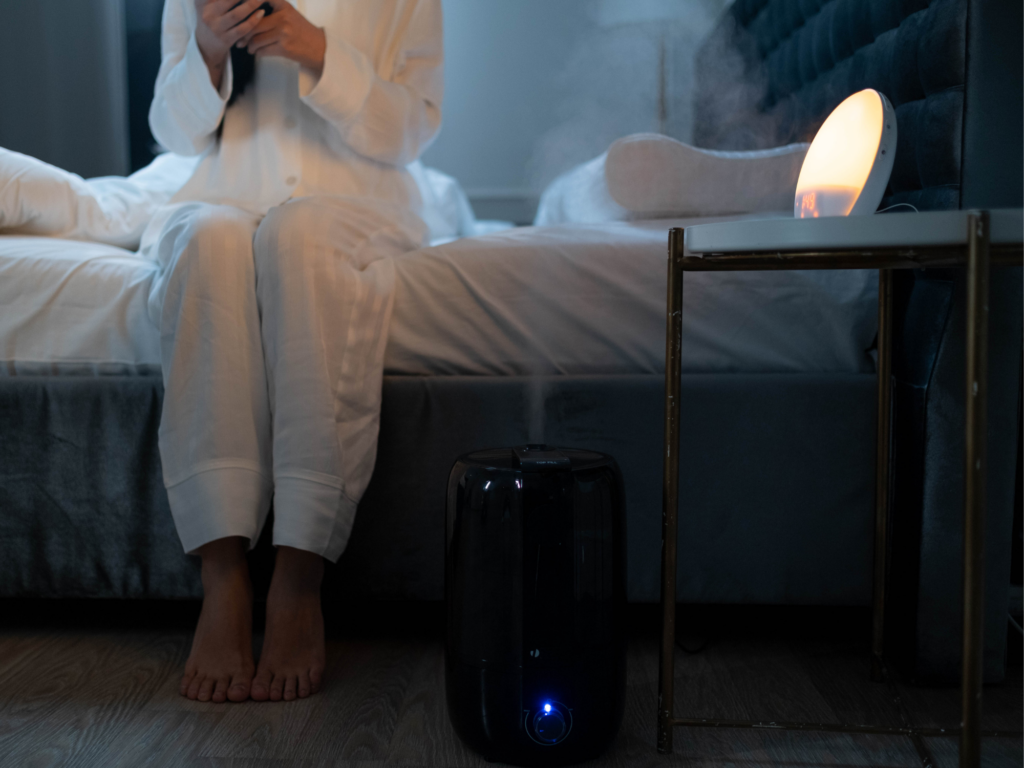
Dry air is the most frequently overlooked cause of morning throat pain. When the air in your bedroom holds very little moisture, your throat’s mucous membranes lose hydration throughout the night as you breathe. Sleeping with the heat running in winter makes this considerably worse, since forced air systems strip humidity out of a room quickly. A cool mist humidifier set to maintain 40 to 60 percent humidity can make a noticeable difference within a night or two.
Mouth Breathing During Sleep
When your nose is blocked, or you naturally breathe through your mouth at night, the air you take in bypasses the nose’s built-in filtering and humidifying system. Your throat absorbs hours of dry, unfiltered air with no protection. If you wake up with a dry mouth alongside the sore throat, mouth breathing is very likely part of the picture. Saline nasal spray before bed, nasal strips, or treating underlying congestion can help redirect airflow back through the nose.
Snoring
Snoring forces large volumes of air through the throat at speed, repeatedly, for hours. The vibration and dryness that comes with that causes direct tissue irritation along the throat walls. If your partner has mentioned you snore, or you wake up feeling like your throat is raw and scratchy, snoring may be the main driver. Sleeping on your side, avoiding alcohol close to bedtime, and managing nasal congestion are effective first steps.
Sleep Apnea
Sleep apnea involves repeated pauses in breathing during sleep, often followed by loud gasping as the airway reopens. Each gasp pushes a burst of dry air through the throat, and that repeated force causes persistent irritation overnight. As NIH MedlinePlus explains on sleep apnea, this is a common but frequently undiagnosed condition that can disrupt breathing dozens or even hundreds of times per night. If your morning throat pain comes with constant fatigue no matter how long you sleep, morning headaches, or a partner reporting gasping or loud snoring, sleep apnea deserves a formal evaluation.
Acid Reflux and GERD
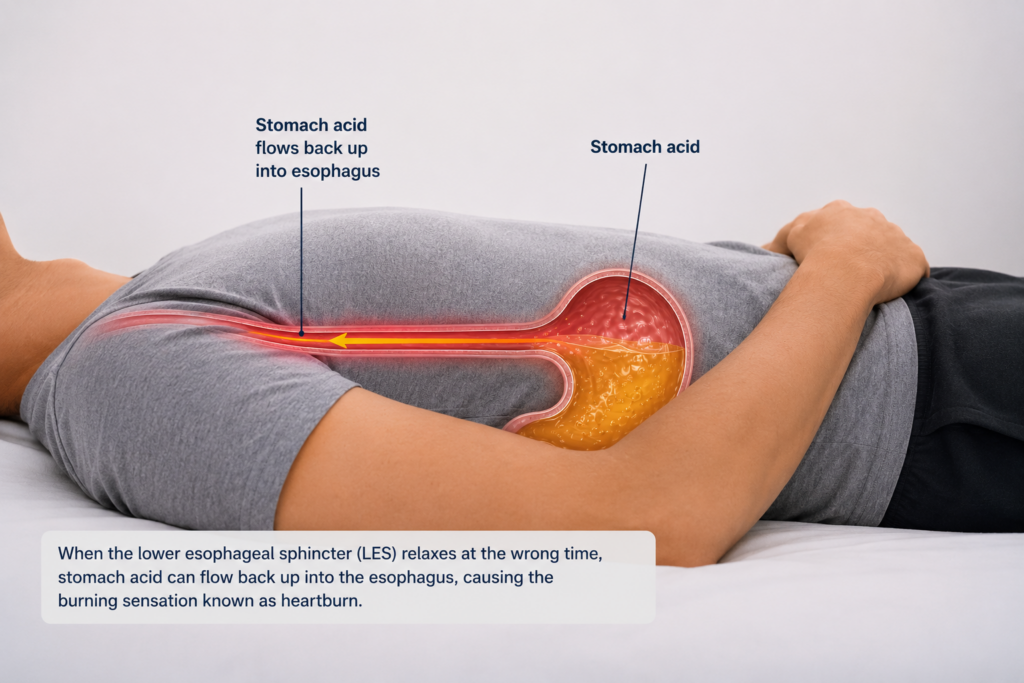
Acid reflux happens when stomach acid travels back up the esophagus toward the throat. Lying flat at night removes the help gravity normally provides in keeping acid down, making nighttime reflux particularly common. When acid reaches the throat and voice box, it burns and irritates the tissue for hours while you sleep. You might notice a sour or bitter taste in the morning, a burning feeling in the chest, or a sense that something is stuck in the throat. NIH MedlinePlus covers GERD in detail and notes that chronic untreated acid reflux can cause lasting damage to the esophagus and throat lining over time.
Postnasal Drip and Allergies
When the nasal passages produce excess mucus from allergies, seasonal irritants, or a developing cold, that mucus drains down the back of the throat during sleep. Hours of this slow drip irritates the throat lining steadily through the night. Dust mites, pet dander, mold, and seasonal pollen are the most common triggers. According to NIH MedlinePlus on allergies, millions of Americans experience upper airway allergy symptoms year round, and the resulting throat irritation is one of the more persistent effects on daily comfort.
Cold, Flu, or Strep Throat
If your morning sore throat comes with fever, body aches, or a general sense that you are getting sick, a viral or bacterial infection may be causing it. Strep throat, caused by Group A Streptococcus bacteria, produces a severe sore throat that is often worst in the morning after a night of dryness and disrupted sleep. NIH MedlinePlus explains streptococcal infections, noting that strep requires antibiotic treatment and will not resolve on its own. Unlike a viral sore throat from a cold, strep typically has no accompanying cough or runny nose and may come with white patches at the back of the throat.
Medications That Dry the Throat
This cause rarely gets mentioned, and many people never connect their morning throat pain to a medication they take. Antihistamines, certain blood pressure medications including ACE inhibitors and diuretics, antidepressants, and decongestants all reduce moisture in the mucous membranes as a known side effect. If your morning sore throat started around the same time as a new medication, that timing is worth raising with your prescribing doctor.
Environmental Irritants in the Bedroom
Allergens and irritants in your immediate sleeping environment are easy to overlook because you are exposed to them every single night. Bedding with high dust mite levels, pet hair and dander on pillows, mold in the walls or carpets, and cigarette smoke residue in the air can all trigger consistent overnight throat irritation. Washing bedding weekly in hot water, keeping pets out of the bedroom, and running an air purifier can significantly reduce nightly exposure.
How to Tell What Is Causing Your Morning Throat Pain
Use this quick reference to narrow down the most likely cause based on your own pattern of symptoms.
| Cause | Key Clue | Other Signs You May Notice |
| Dry air | Worse in winter or when heating is running | Dry nose and skin too |
| Mouth breathing | Dry mouth alongside sore throat | Nasal congestion at bedtime |
| Snoring | Partner confirms snoring | Raw or scratchy feeling in throat |
| Sleep apnea | Tired even after a full night of sleep | Morning headaches, gasping sounds |
| Acid reflux or GERD | Sour taste or chest burn in the morning | Worsens after eating late at night |
| Postnasal drip | Mucus felt at the back of the throat | Seasonal or pet-related pattern |
| Cold or flu | Fever, body aches, congestion | Comes with runny nose and cough |
| Strep throat | Very severe pain, no cough | Fever, swollen glands, white patches |
| Medications | Started after beginning a new medication | Dry mouth and dry nose too |
How to Relieve Throat Pain in the Morning

The most effective fix depends on what is causing the problem. Here are the best approaches matched to each cause.
For allergies and postnasal drip, an over the counter antihistamine taken before bed can reduce nighttime mucus production. Washing bedding frequently in hot water and keeping pets out of the sleeping area lowers allergen exposure. A saline nasal rinse before sleep helps clear out any lingering allergens and thin existing mucus.
For snoring and sleep apnea, try sleeping on your side rather than your back, which reduces soft tissue collapse in the throat. Avoid alcohol within three hours of bedtime. If sleep apnea symptoms match yours, a sleep study can confirm the diagnosis and open the door to treatments like a CPAP device that eliminate the throat irritation at the source.
For infections, rest, stay well hydrated, and gargle with warm salt water to ease discomfort. If you suspect strep throat based on severe pain, fever, and no cough, see a doctor for a rapid test. Strep will not clear on its own and carries real risks if left untreated.
For dry air and mouth breathing, run a cool mist humidifier in the bedroom and target a humidity level between 40 and 60 percent. Drink a full glass of water immediately after waking. A saline nasal spray before bed keeps the nasal passages moist and encourages nose breathing through the night.
For acid reflux, elevate the head of your bed by four to six inches, eat your last meal at least three hours before lying down, and cut back on known reflux triggers like spicy food, coffee, alcohol, and chocolate close to bedtime. Over the counter antacids help with occasional reflux, but symptoms that occur most nights need a doctor’s evaluation for proper management.
For medication-related dryness, never adjust or stop a prescribed medication without speaking to your doctor first. Mention the throat symptom at your next appointment so they can assess whether a different medication, timing, or dosage might help.
Signs Your Morning Sore Throat Needs Medical Attention

Most morning sore throats resolve with simple adjustments or clear up within a few days on their own. These signs mean it is time to see a doctor.
- Throat pain that persists for more than one week without improvement
- Severe pain that makes it difficult to swallow liquids
- Fever above 101°F
- Swollen or tender lymph nodes in the neck
- White patches or visible pus at the back of the throat
- A hoarse or muffled voice that does not improve after a few days
- Rash appearing anywhere on the body alongside throat pain
Seek emergency care right away if you experience any of the following:
- Difficulty breathing or a sensation that your throat is closing
- Drooling or inability to swallow your own saliva
- High fever with a stiff neck
These symptoms can indicate serious infections like epiglottitis or a peritonsillar abscess, both of which require urgent medical treatment and cannot wait for a regular appointment.
Waking up with a sore throat is frustrating, but in most cases the fix is more straightforward than people expect. Better air quality in the bedroom, treating allergies or reflux, and adjusting sleep position resolve the majority of recurring cases. When the pain keeps returning despite those changes, or arrives alongside warning signs like fever, swollen lymph nodes, or trouble swallowing, that is the signal to get it properly evaluated.
Frequently Asked Questions
Why does my throat hurt every morning when I wake up?
Recurring morning throat pain usually points to a consistent overnight cause rather than a new infection each time. The most common reasons are dry air in the bedroom, mouth breathing during sleep, snoring, acid reflux, or postnasal drip from allergies. Each of these irritates the throat’s mucous membranes throughout the night. Identifying which pattern matches your symptoms, then making the right adjustment, typically resolves the issue within days to a couple of weeks.
Can waking up with a sore throat mean something serious?
Most of the time it is not serious and has a simple fix. However, a sore throat that lasts more than a week, comes with fever, causes difficulty swallowing, or involves white patches at the back of the throat needs medical attention. If you have severe throat pain with no cough and a fever, strep throat is a strong possibility and requires antibiotic treatment.
Does sleeping with your mouth open cause a sore throat?
Yes. When you breathe through your mouth during sleep, air enters the throat directly without being filtered or humidified by the nose. After several hours of this, the throat’s mucous membranes dry out and become irritated. Addressing the reason for mouth breathing, whether it is nasal congestion, allergies, or anatomy, is the most effective long term solution.
Can acid reflux cause a sore throat when waking up?
Yes, and it is more common than most people realize. Nighttime acid reflux brings stomach acid up into the throat while you lie flat, causing irritation and a burning sensation that is worst in the morning. You may also notice a sour taste, chest discomfort, or a feeling of something stuck in the throat. Elevating the head of the bed and avoiding late meals are the two most effective first steps.
How do I know if my morning sore throat is strep?
Strep throat typically produces very severe throat pain, often much worse than a typical cold, and usually comes without cough or runny nose. You may notice a fever, swollen lymph nodes in the neck, or white patches at the back of the throat. The only way to confirm strep is a rapid strep test done by a healthcare provider. Do not rely on symptoms alone since strep requires antibiotics and carries risks if left untreated.
When should I go to the doctor for a morning sore throat?
See a doctor if your sore throat lasts longer than a week, is severe enough to interfere with swallowing, comes with fever above 101°F, involves swollen lymph nodes, or has white patches visible at the back of the throat. If you suspect sleep apnea or GERD is the cause, a primary care provider can run the appropriate evaluations and refer you to a specialist if needed.
Written by Theo James
The information on this page is for general educational purposes only and is not a substitute for professional medical advice, diagnosis, or treatment. Always talk with your doctor or another qualified healthcare provider about any questions you have regarding a medical condition. Never ignore professional medical advice or delay seeking it because of something you read on the internet.