
What Does Taper Off Mean and How to Safely Wean Off Medication

Why Stopping Medication Abruptly Is Dangerous
Many prescription drugs change how your body functions over time. Your brain chemistry shifts to accommodate the drug. Your nervous system recalibrates to its presence in your system. When you stop suddenly, your body cannot catch up fast enough.
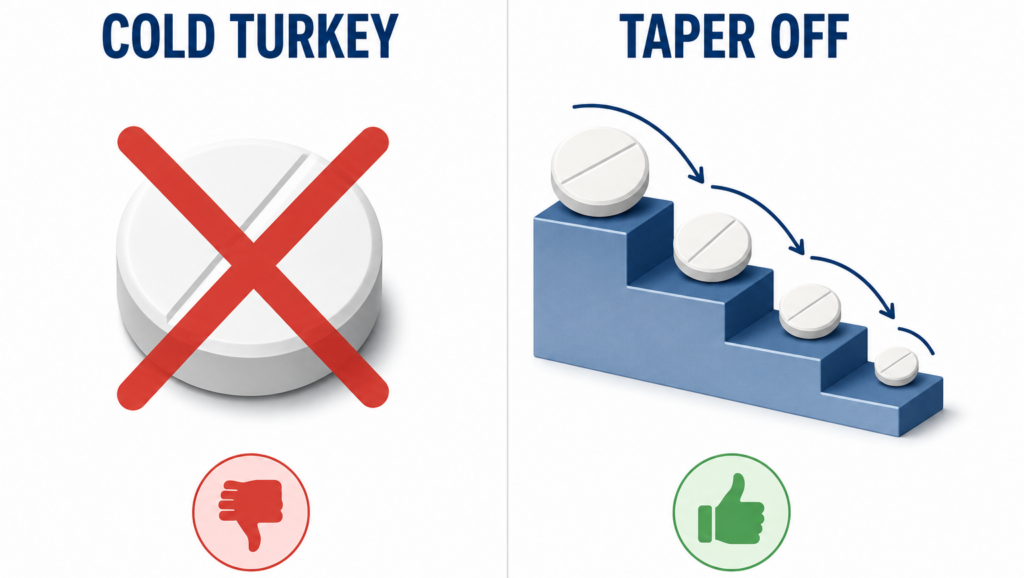
This sudden stop is called going Cold Turkey. For many drugs, it triggers a range of withdrawal symptoms. These can include anxiety, tremors, nausea, and intense sweating. In more serious cases, abrupt stops can lead to seizures, dangerous blood pressure spikes, or severe heart complications. That is exactly why doctors build a slow, planned reduction schedule for most medications. A gradual taper gives your body the adjustment time it needs.
What Does Taper Off Mean for Your Medication Plan
So what does taper off mean in practical terms? It means following a dose reduction schedule your doctor designs for you. You might cut your dose by 10 percent every two weeks, for example. At each step, your body adjusts before the next reduction begins.
The tapering schedule your doctor creates depends on several things:
- The specific medication you take
- How long you have been on it
- Your current dose amount
- Your age and overall health
- How quickly your body processes the drug
A simple taper might last just a few weeks. For long term opioid use, a safe tapering process can take months or even years depending on your individual history and dose.
Which Medications Require You to Wean Off Drugs Safely
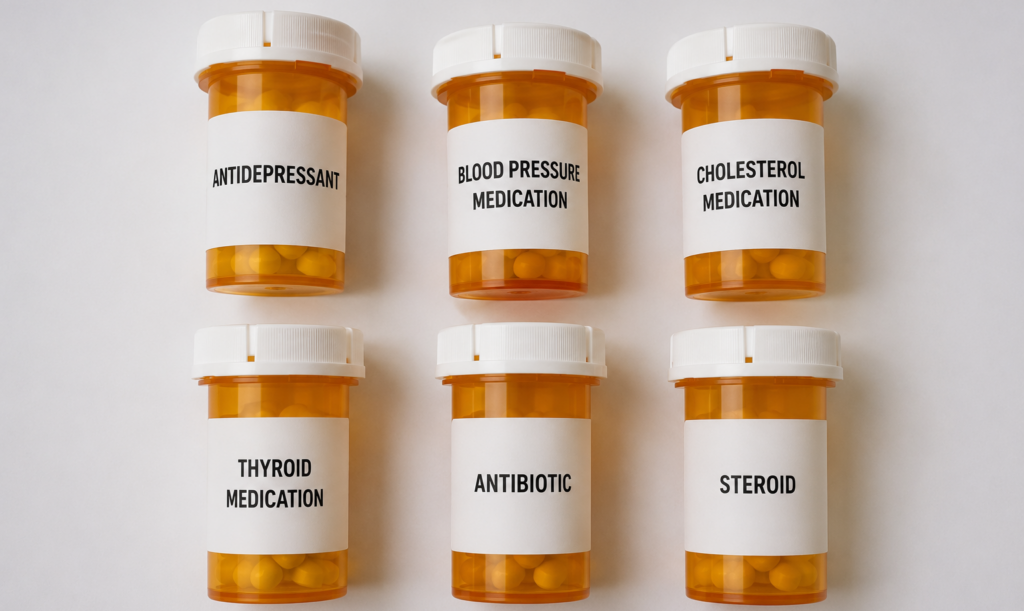
Not all medications need a gradual taper. However, many common prescription drug categories do require careful supervision to wean off drugs without serious risk.
Mental health medications
Antidepressants, anti anxiety drugs, and antipsychotics often need a gradual reduction plan. Stopping them fast can cause dizziness, nausea, mood crashes, and a condition called discontinuation syndrome. For people on long term treatment, dose cuts as small as 5 percent at a time may be the safest path forward.
Seizure medications
Anti seizure drugs help stabilize electrical activity in the brain. Cutting them out too quickly raises the risk of a rebound seizure. This remains a real danger even for people who have been seizure free for years.
Blood pressure medications
Stopping blood pressure drugs suddenly can trigger a sharp rebound rise in blood pressure. That spike increases your risk of a stroke or heart attack. If you notice your heart rate changing while adjusting any medication, our article on elevated heart rate when sick explains what those changes may signal.
Opioids and painkillers
Opioid tapering is among the most carefully managed processes in medicine. Clinical guidelines from addiction medicine specialists recommend dose cuts of no more than 10 percent every one to two weeks for most patients.
Steroids and corticosteroids
Long term steroid use causes your adrenal glands to slow their own hormone production. Stopping too quickly can trigger adrenal insufficiency. This condition is serious and requires urgent medical attention.
Diabetes medications
Stopping diabetes drugs without guidance can cause dangerous blood sugar swings. Your doctor must oversee every step of this process closely.
What Happens When You Do Not Taper Off Medication
Skipping a planned taper puts real strain on your body. The effects vary by drug, but common results include:
- Rebound symptoms, where your original condition returns harder than before
- Physical withdrawal signs such as shaking, sweating, or nausea
- Dangerous shifts in heart rate or blood pressure
- New or worsening anxiety and mood disturbances
- Stomach pain, cramps, or digestive upset
- In severe cases, seizures or cardiovascular events
Stomach discomfort is one of the most common complaints when stopping certain medications too fast. Our guide on gastritis symptoms, causes, and treatment can help you tell whether your stomach symptoms come from the medication or from something else entirely.
How to Safely Wean Off Medication Step by Step
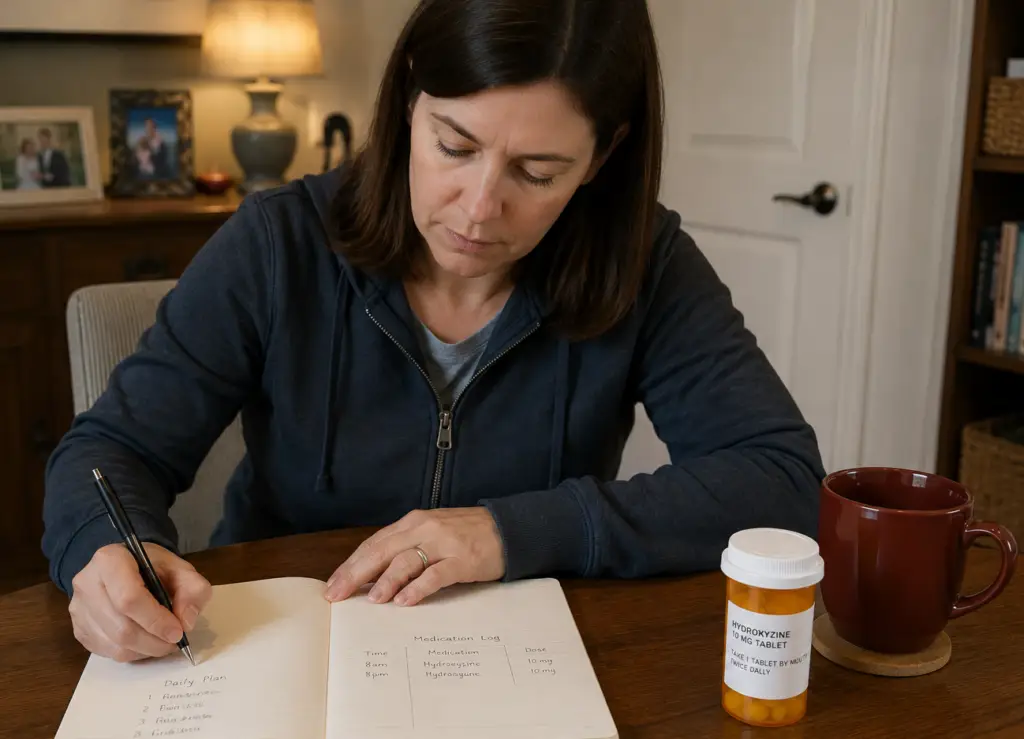
The safest first step to wean off medication is always a conversation with your doctor. Never reduce your dose on your own without medical supervision. Your doctor will build a personalized schedule based on your health history, the drug type, and how long you have been taking it.
A well-structured tapering plan typically follows this process:
- Tell your doctor clearly that you want to stop the medication
- Get a written dose reduction schedule with specific timelines
- Book regular follow-up appointments to review your progress
- Keep a daily symptom journal between each dose reduction
- Ask your doctor which side effects are expected and which need urgent care
- Never rush ahead in the schedule, even if you feel better sooner
Guidance from Harvard Health Publishing on stopping medications confirms that the risk of relapse and health setback rises sharply when people move through a taper without ongoing medical input.
How Long Does It Take to Taper Off a Medication
The timeline depends entirely on the drug and the person. Short term steroid use may taper off in one to two weeks. Antidepressants taken for several months often need a four to eight week schedule. Long term opioid therapy can take a year or more to wind down safely. Your doctor sets the right pace based on your specific situation, not a general average.
Talking to Your Doctor About Weaning Off Medication
Many people feel unsure about raising this topic at a medical appointment. Start by writing down your concerns before you go in. Ask your doctor why you were prescribed the drug, whether you still need it, and what a safe stop looks like for your case. Your pharmacist is also a strong resource. A pharmacist can walk you through your tapering schedule in plain terms and flag any interactions with other drugs you take.
Signs Your Taper Off Plan May Be Moving Too Fast

Even a carefully designed tapering plan can move too quickly for some people. Watch for these warning signs between each dose reduction:
- Intense new anxiety or unexpected panic attacks
- Severe nausea, vomiting, or stomach cramps
- Shaking, sweating, or chills without a fever
- Sleep problems that keep getting worse, not better
Sleep disruption is one of the most common complaints during a taper. If sleep has become a serious issue, our article on whether sleep gummies actually work covers sleep support options you can safely discuss with your provider.
If any of these warning signs appear or worsen, call your doctor promptly. Slowing the schedule is always the safer choice.
When to See a Doctor
Reach out to your doctor right away if any of these occur while you are tapering or after stopping a medication:
- Chest pain or a racing heartbeat
- Severe headache or sudden vision changes
- Confusion, difficulty speaking, or trouble thinking clearly
- A seizure or near-seizure event
- Thoughts of harming yourself
Call 911 or go to your nearest emergency room for any symptoms that feel sudden or severe. For mental health crises during a medication change, the 988 Suicide and Crisis Lifeline is available by call or text at any time of day or night.
Sharing your full medication and supplement list with every member of your care team is also important. Research from the National Institute on Drug Abuse confirms that open provider communication significantly reduces risks during any medication change.
Frequently Asked Questions
What does taper off mean in simple terms?
To taper off a medication means to reduce your dose gradually before stopping completely. Instead of quitting all at once, you take smaller amounts over days, weeks, or months. This gives your body time to adjust safely at each step and helps you avoid severe withdrawal symptoms.
Is it always necessary to wean off medication?
Not every drug requires a gradual taper. Short antibiotic courses do not need one. However, many long term prescriptions including antidepressants, opioids, blood pressure drugs, and steroids do require a slow reduction plan. Always check with your doctor before stopping any prescription medication on your own.
What are the risks of stopping medication cold turkey?
Stopping a drug suddenly without tapering can trigger withdrawal symptoms and cause your original condition to return harder than before. It can also lead to dangerous blood pressure spikes or seizures. The severity depends on the drug type, your dose, and how long you have been taking it.
How do I know if my tapering plan is working?
A well-paced taper feels manageable. You may notice mild symptoms at each dose reduction, but they should ease within a few days. If symptoms feel intense or do not improve after one week, contact your doctor and ask about slowing the schedule down.
Can I speed up my taper if I feel fine?
No. Feeling well at one dose level does not mean your body has fully adjusted to the change. Speeding up increases the risk of delayed withdrawal symptoms appearing later. Always follow your doctor’s schedule and discuss any proposed changes with them before acting.
What is the difference between tapering off and weaning off medication?
Both phrases mean exactly the same thing. Tapering off and weaning off medication both describe the process of slowly reducing your dose before stopping completely. Doctors, nurses, and pharmacists use both terms equally, and there is no meaningful difference in safety guidance between them.
Written by Theo James
The information on this page is for general educational purposes only and is not a substitute for professional medical advice, diagnosis, or treatment. Always talk with your doctor or another qualified healthcare provider about any questions you have regarding a medical condition. Never ignore professional medical advice or delay seeking it because of something you read on the internet.