
What Is a Low Residue Diet and Who Needs It
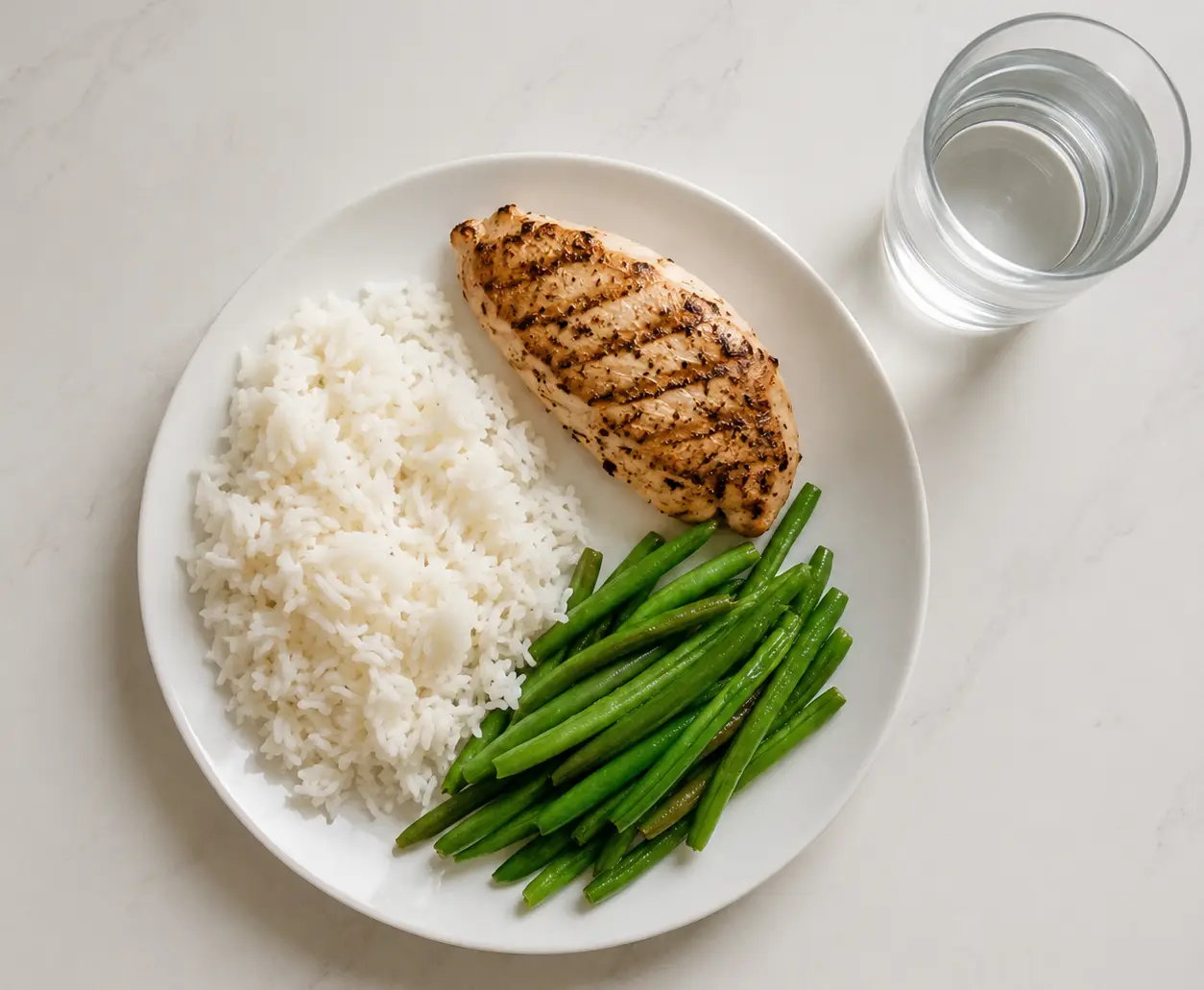
It also reduces stool bulk and gives your digestive system time to rest and recover. Doctors often recommend it before a colonoscopy, after bowel surgery, or during a gut condition flare-up. If you are not sure what this diet involves or where to start, we have put this guide together for you. Read on to find out exactly what to eat, what to skip, and how long to follow the plan.
What Is a Low Residue Diet
The word “residue” refers to undigested material that moves through your gut and becomes part of your stool. A low residue diet cuts back on foods that add to this residue, especially high fiber options and certain dairy products.
By reducing fiber, your digestive system produces fewer and smaller bowel movements. This takes pressure off an inflamed or healing gut.
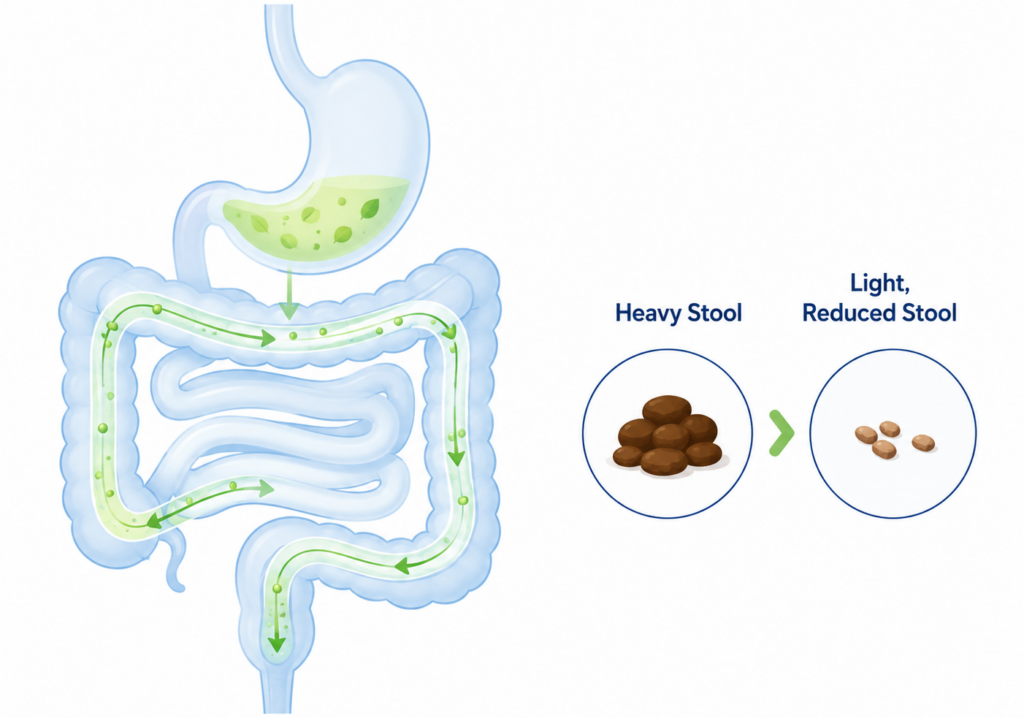
Most medical guidelines recommend keeping fiber intake below 10 to 15 grams per day. According to University of Michigan Health, some clinical situations call for as little as 7 to 10 grams of fiber daily. This plan is not a permanent diet change. Instead, it works as a short term tool for specific medical situations.
You may also hear it called a minimum residue diet or a low impact diet. Both names refer to the same basic eating approach.
Low Residue Diet vs Low Fiber Diet
These two terms often get used together, but they are not quite the same thing.
A low fiber diet simply reduces your total daily fiber intake. A low residue diet does that and goes further. It also restricts certain dairy products, because dairy can leave residue in the colon even though it contains no fiber.
So a low residue diet is essentially a stricter version of a low fiber diet. Both reduce stool bulk, but the low residue approach limits more food categories overall.
Research from the National Institutes of Health notes that healthcare providers often use these two terms interchangeably. Even so, following the specific version your doctor prescribes will make the plan more effective.
Who Should Follow a Low Residue Diet
This diet is not something to start on your own. Your doctor or dietitian will recommend it based on your condition or upcoming procedure.
Common reasons your doctor may suggest a low residue diet include:
- Preparing for a colonoscopy or intestinal procedure
- Recovering from bowel or intestinal surgery
- Managing a flare-up of Crohn’s disease or ulcerative colitis
- Treating active diverticulitis
- Recovering from pelvic or abdominal radiation therapy
- Managing gastroparesis, which is slow stomach emptying
If any of these situations apply to you, speak with your healthcare provider before making any changes to your meals. Getting clear guidance early makes the plan much easier to follow.
What to Eat on a Low Residue Diet
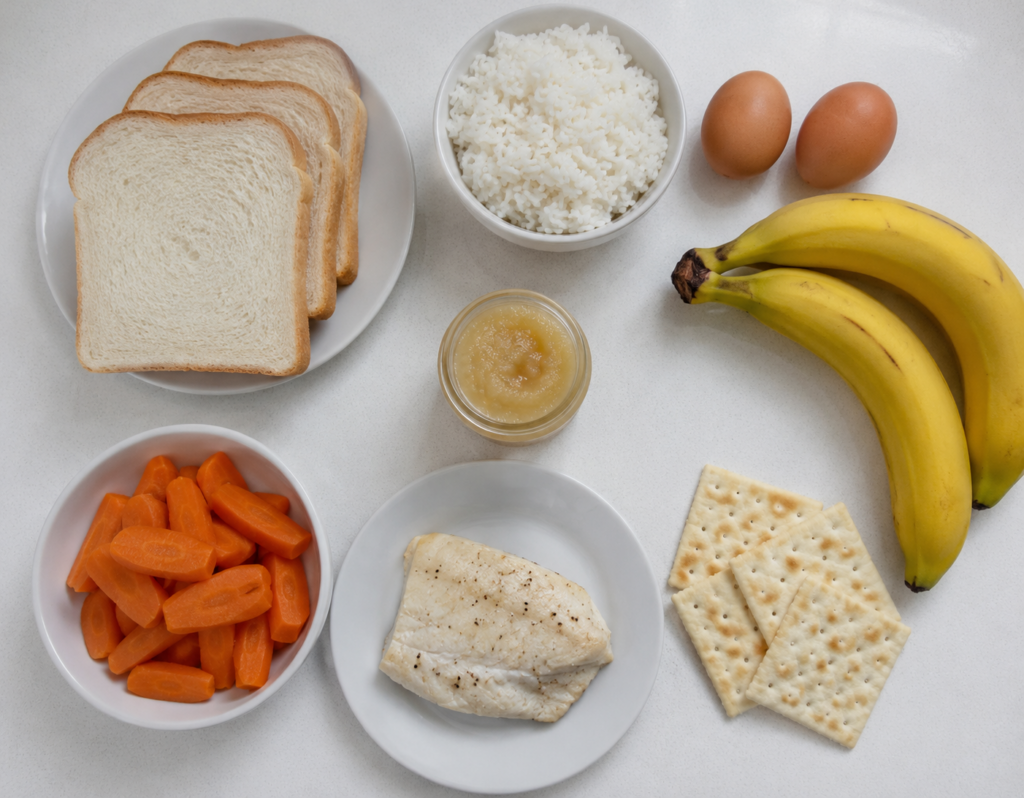
The key goal is to choose foods with less than 1 to 2 grams of fiber per serving. Cleveland Clinic confirms this as the main rule of thumb when selecting foods on this plan. Fortunately, there are still plenty of satisfying options to choose from.
Grains and Breads
Stick to refined white options for grains and breads. Good choices include:
- White bread, white rice and white pasta
- Saltine crackers and plain bagels
- Low fiber cereals such as Corn Flakes, Rice Krispies and puffed rice
- Pancakes and waffles made with white flour
Proteins
Most lean proteins fit well on this plan. Safe options include:
- Well cooked chicken, turkey and lean beef
- Fish and shellfish
- Eggs prepared any way you like
- Tofu and smooth peanut butter (skip chunky versions)
Dairy
Limit dairy products to about two cups per day. Milk, yogurt and soft cheeses are fine in moderate amounts.
Lowest Fiber Fruits for a Low Residue Diet
Some fruits are naturally easy to digest and safe to include. The best lowest fiber fruits are:
- Ripe bananas
- Cantaloupe and honeydew melon
- Watermelon
- Ripe peaches, plums and apricots without skin
- Canned fruits without seeds or skin, such as applesauce
- Fruit juice without pulp (skip prune juice, as it stimulates bowel movements)
Safe Vegetables on a Low Residue Diet
Well cooked, soft vegetables are your best bet. Try these options:
- Cooked carrots, beets, green beans and asparagus tips
- Canned mushrooms and canned spinach
- Peeled white or sweet potatoes
- Small amounts of raw shredded lettuce
- Seedless, peeled cucumber in small portions
Foods to Avoid on a Low Residue Diet
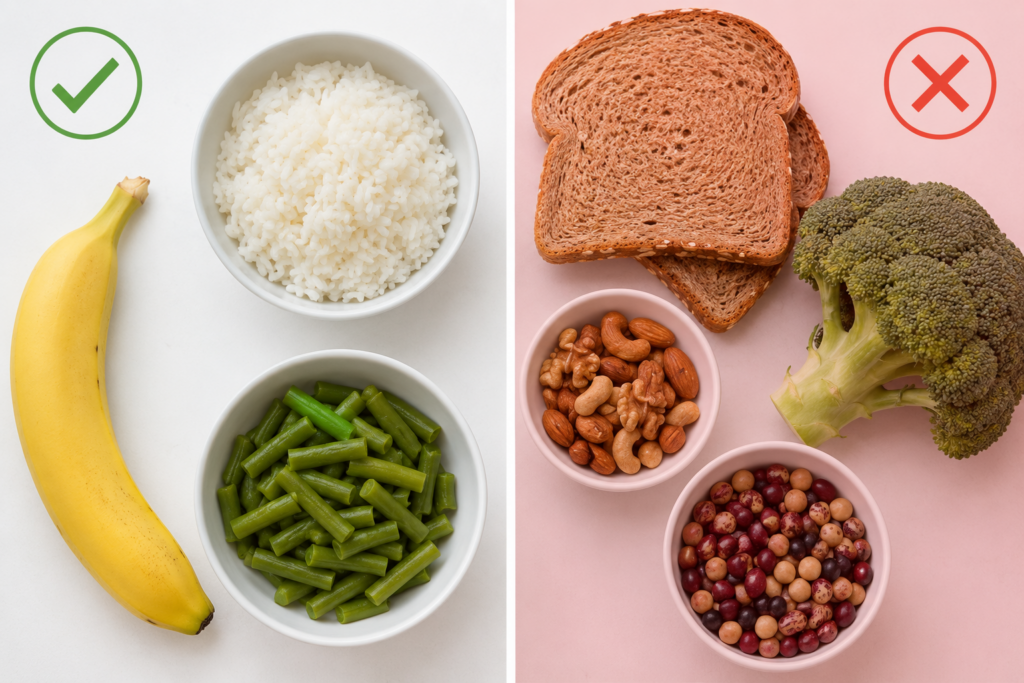
Knowing what to leave out is just as important as choosing the right foods. The items below add too much bulk to your stool or irritate the gut lining:
- Whole grains such as brown rice, oatmeal, bran, quinoa and barley
- Nuts, seeds and popcorn
- Raw fruits with skin or seeds, including berries, raw apples and pears
- Most raw vegetables, especially broccoli, cauliflower and cabbage
- Dried beans, lentils and peas
- Coconut in any form
- High fiber cereals and granola
- Prune juice
Also try to leave out fried, spicy or very fatty foods during this period. They can worsen gut irritation even when they contain no fiber.
A Simple Low Residue Diet Meal Plan
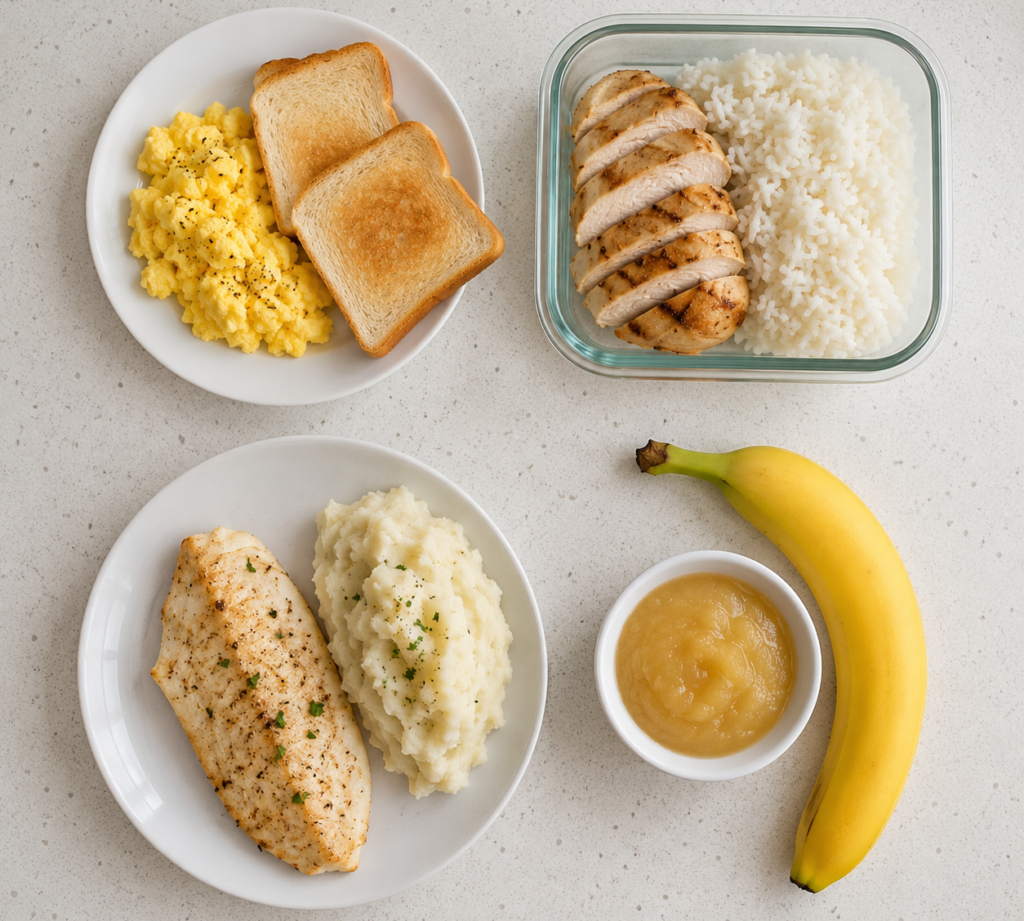
Meal planning on this diet does not have to feel difficult. Here is what a typical day might include:
- In the morning, try scrambled eggs with white toast and a glass of apple juice without pulp
- For lunch, try grilled chicken with white rice and well cooked carrots
- For dinner, try baked fish with peeled mashed potatoes and cooked green beans
- As a snack, try a ripe banana or a small serving of canned applesauce
These meals stay within the daily fiber limit. They are also gentle on a sensitive or healing digestive system.
Tips for Staying Nourished on a Low Residue Diet
Following this plan for more than a few days requires some thought about nutrition. Fortunately, a few simple strategies can help you stay healthy throughout.
First, eat smaller and more regular meals across the day. This makes digestion easier and lowers the chance of discomfort. Second, drink at least eight glasses of water daily. Dehydration is a real risk, especially when digestive symptoms are already present.
Also, include a lean protein source with every meal. Eggs, fish, chicken and smooth nut butters all support your body’s healing process. Finally, if your doctor recommends a daily multivitamin with minerals, take it every day without skipping. The Academy of Nutrition and Dietetics recommends working with a registered dietitian for any therapeutic diet that lasts longer than one week.
How Long Should You Stay on a Low Residue Diet
This is a temporary plan, not a permanent lifestyle change. Many people follow it for just one to three days before a colonoscopy. Others stay on it for a few weeks during a digestive flare-up.
If your doctor asks you to continue for more than two weeks, ask about a daily multivitamin with minerals. The diet limits many nutrient rich foods, so supplementation can help fill any gaps. Mayo Clinic also notes that dietitian guidance is especially helpful when managing this kind of diet alongside other medical conditions.
Always let your doctor know if your symptoms worsen or if you feel noticeably weak while following the plan.
When to See a Doctor
Always begin this diet with your doctor’s guidance. However, some warning signs mean you should call your healthcare provider right away.
Reach out if you notice any of these signs:
- Severe stomach pain that does not ease within a few hours
- Blood in your stool
- Unexplained weight loss while on the plan
- Symptoms that worsen instead of improve after a few days
- Signs of dehydration such as extreme thirst, dark urine or dizziness
Gut health can be complicated, and other conditions can sometimes overlap with dietary symptoms. If you have a sensitive stomach, our article on gastritis, its symptoms, causes and treatment can help you understand what your digestive system may be dealing with.
Sometimes discomfort on a restricted diet can also feel similar to a stomach bug. Our guide on the difference between stomach flu and food poisoning can help you tell the two apart if you feel unwell during this time.
Frequently Asked Questions
Is a low residue diet the same as a low fiber diet?
They are closely related but not identical. A low fiber diet only reduces total fiber intake. A low residue diet goes further and also limits certain dairy products, which can leave residue in the colon even without fiber. Your doctor will specify which version is right for your situation.
How many grams of fiber can I eat on a low residue diet?
Most clinical guidelines recommend staying below 10 to 15 grams of fiber per day. Some doctors suggest as low as 7 to 10 grams depending on your condition. Always follow the specific amount your healthcare provider gives you.
Which fruits are safe to eat on a low residue diet?
The safest and lowest fiber fruits include ripe bananas, watermelon, cantaloupe, canned peaches and plain applesauce. Avoid fruits with skins, seeds or higher fiber content such as berries, raw apples and dried fruits.
Can I drink coffee or tea on a low residue diet?
Plain coffee and tea without seeds or pulp are generally fine. However, caffeine can stimulate bowel activity in some people. Check with your doctor or dietitian if you are unsure whether to limit caffeine while on this plan.
Will following a low residue diet cause weight loss?
Weight loss is not the purpose of this plan. Some people do lose a little weight because the diet limits variety. However, a low residue diet is designed to reduce gut irritation and support digestive healing, not to manage body weight.
Can children follow a low residue diet?
Yes, but only with guidance from a pediatrician or pediatric dietitian. Children have different nutritional needs, and any therapeutic diet must be carefully managed to prevent nutrient deficiencies.
Written by Theo James
The information on this page is for general educational purposes only and is not a substitute for professional medical advice, diagnosis, or treatment. Always talk with your doctor or another qualified healthcare provider about any questions you have regarding a medical condition. Never ignore professional medical advice or delay seeking it because of something you read on the internet.