
Most pregnant women researching tear prevention land on one big question, when to start perineal massage.
The honest answer depends on your due date, not a fixed date you can circle months ahead. Most US providers point to week 34 of pregnancy as the right starting line. Starting earlier hasn’t been studied much, and starting too late may mean you miss most of the benefit.
What Is Perineal Massage
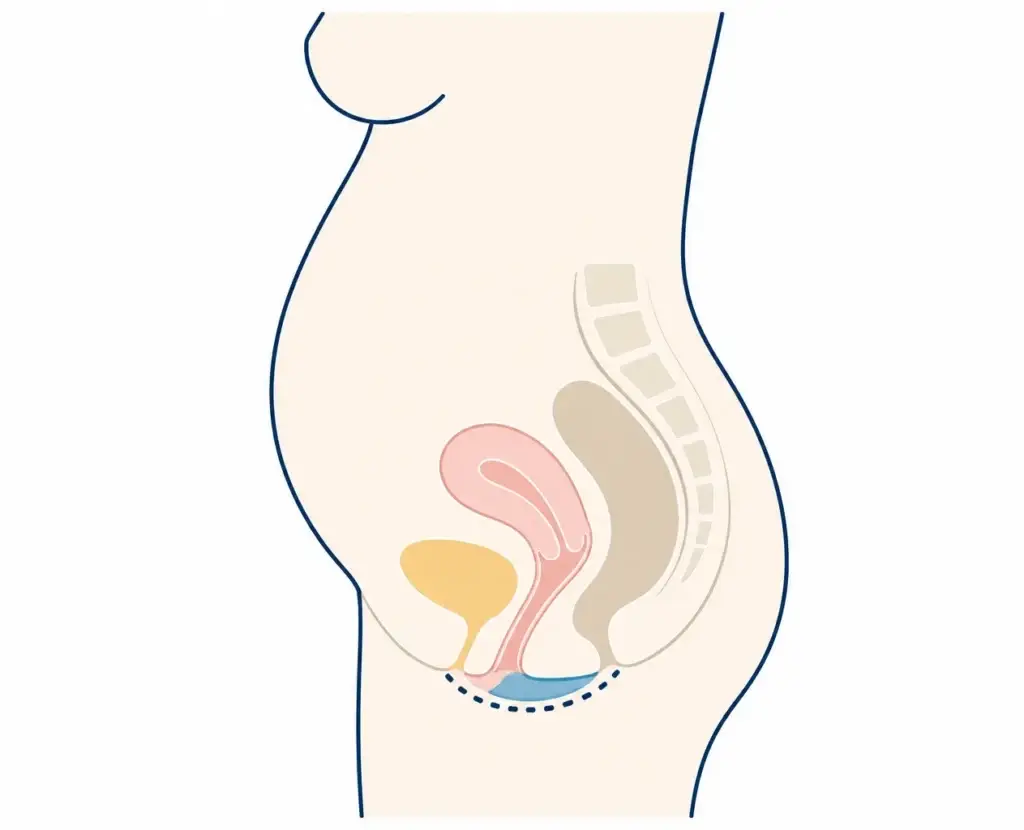
Perineal massage is a hands on technique that stretches the perineum, the area of skin and muscle between your vagina and anus, before delivery. The idea is to prepare this tissue ahead of time, so it has an easier time stretching during crowning. Some people call it prenatal vaginal massage, since it involves the vaginal opening and surrounding muscles, not just the skin. You don’t need special tools, just clean hands, a little oil, and a few minutes starting at the right week.
When to Start Perineal Massage
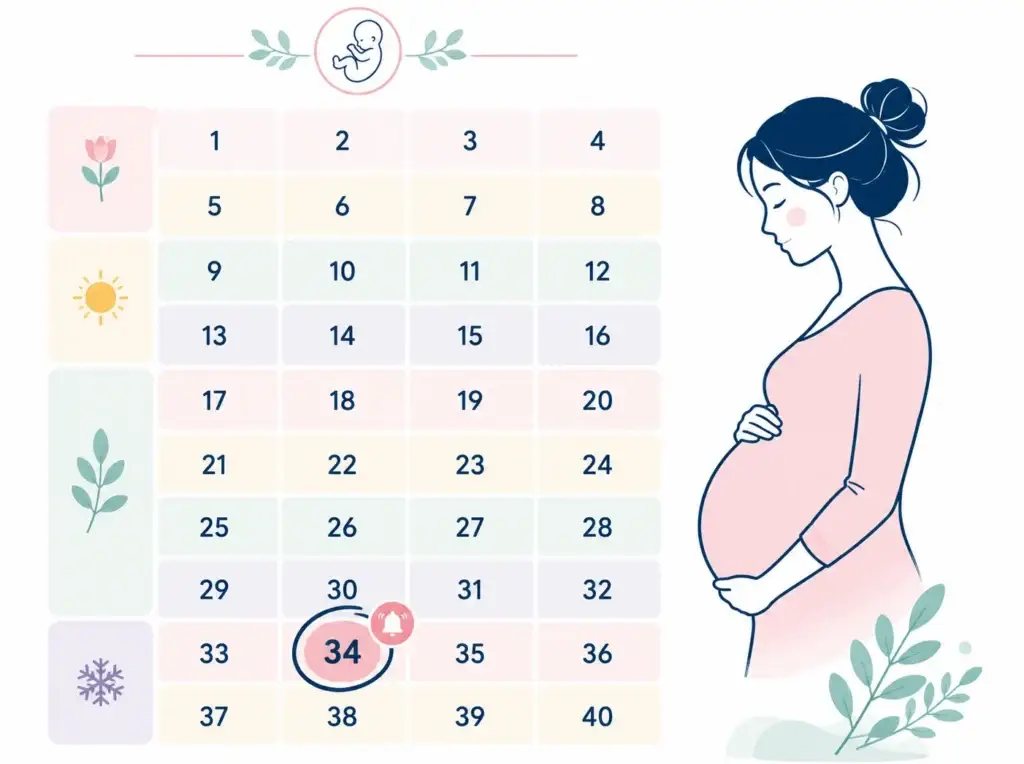
The short answer is week 34 of pregnancy, for most women carrying a single, healthy baby. That’s about 6 weeks before a full term due date, which gives the tissue enough time to respond to regular stretching. Cleveland Clinic and Mayo Clinic both point to this same starting window in their guidance.
Why Week 34 Is the Standard Starting Point
Researchers settled on week 34 for a simple reason. It’s the point most clinical trials used when they studied perineal massage. Your body is also closer to full hormonal readiness by then, since hormones like relaxin are already softening connective tissue throughout your body. Starting at this stage means you get the most studied, most predictable results.
Why You Can’t Start Perineal Massage Before 34 Weeks
There’s no firm rule against starting earlier in a healthy, low risk pregnancy. Most guidance simply follows the research, and the research starts at week 34. If you have a history of preterm labor, placenta problems, or active infections, talk with your doctor before starting at any point in pregnancy.
What to Do If You Haven’t Started Yet
If you’re already past week 34 and haven’t started, it’s not too late to begin. Even a few sessions in your final weeks may offer some benefit, though more consistent practice tends to help more. If you’re past your due date or already in early labor, ask your midwife or doctor whether massage during labor itself makes more sense for you instead.
How Often to Practice Once You Start
Most guidance suggests 5 minutes, three to four times a week, from week 34 until delivery. Consistency matters more than long sessions. Short, regular sessions tend to work better than occasional long ones.
Does Starting Perineal Massage at the Right Time Make a Difference
The timing of perineal massage seems to matter almost as much as doing it at all. A 2022 review on PubMed looked at 10 clinical trials with over 4,000 women. Three trials started massage during the first stage of labor, while the rest began during the second stage. Both timings were linked to fewer severe tears, though starting prenatal massage around week 34, well before labor, has the most consistent support across separate studies.
The American College of Obstetricians and Gynecologists notes that massage started around week 34 can reduce the need for stitches. It can also lower episiotomy rates. Severe tears that involve the anal muscle happen in about 4 to 11 percent of US vaginal births, according to research published by the National Institutes of Health. Perineal massage will not erase this risk completely, no matter when you start, and no method can promise a tear free delivery.
Benefits of Perineal Massage for Pregnant Women
Beyond lowering tear risk, starting perineal massage on schedule offers a few other benefits. Many people also find it helps them feel more comfortable with the sensations of labor.
- Builds familiarity with vaginal stretching before delivery, which may ease anxiety
- Improves blood flow to the perineal tissue
- Helps some birthing parents feel more in control of their birth prep
- May shorten the second stage of labor slightly for some first time mothers
These benefits are mild, and perineal massage is not a cure all. Pair it with other prep methods, such as warm compresses during labor and pelvic floor exercises, for the best results.
How to Do Perineal Massage Once You Start
How to Give a Perineal Massage Step by Step
- Wash your hands well and trim your nails short
- Get into a comfortable position, such as reclining with your knees bent and supported by pillows
- Apply a natural oil or water based lubricant to your thumbs and the vaginal opening
- Place one or both thumbs about an inch inside your vagina
- Press down and toward your anus until you feel a gentle stretch, not sharp pain
- Hold for 30 to 60 seconds, then move in a slow U shape toward each side
- Repeat for 5 minutes, three to four times a week, from week 34 until delivery
What to Use for Perineal Massage
Plain coconut oil is one of the most popular choices for perineal massage, and for good reason. It’s unscented when you pick the right jar, absorbs well, and rarely causes irritation. Other good options include sweet almond oil, olive oil, and water based lubricants made for intimacy.
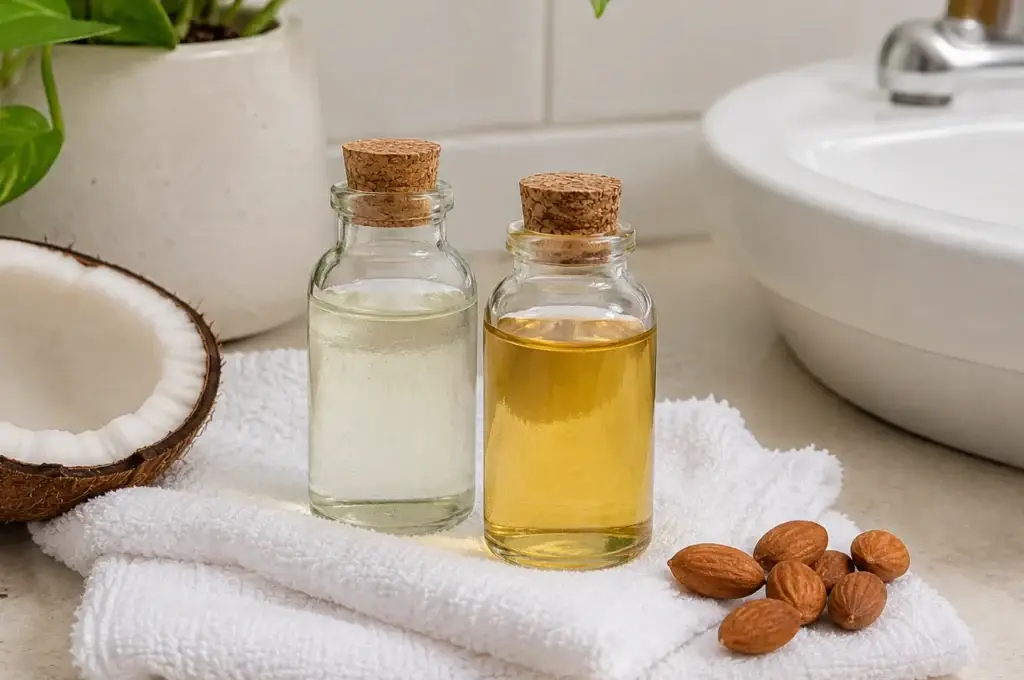
- Coconut oil, unscented and organic when possible
- Sweet almond oil
- Olive oil
- Water based personal lubricant
Skip scented oils, bubble bath products, or anything with alcohol listed near the top of the ingredients. These can irritate already sensitive tissue.
Tips for a Comfortable Perineal Massage Session
- Try a warm bath or shower first to help the tissue relax
- Keep your breathing slow and steady instead of holding your breath
- Stop and reset if you feel tense, then try again once you’re more relaxed
- Ask your partner to take over if reaching the area yourself feels awkward
Self Massage Compared to Partner and Provider Perineal Massage
You can do perineal massage on your own, with a partner, or have it done by your midwife or doctor during labor. Each version works a little differently, and knowing the differences can help you choose what fits your situation.
| Method | Who Does It | When | What Research Shows |
|---|---|---|---|
| Self massage | You | Week 34 through delivery, at home | Convenient, though harder to reach the full area on your own |
| Partner assisted massage | Partner or support person | Week 34 through delivery, at home | Often easier to reach the right spot and angle |
| Provider massage during labor | Midwife or doctor | During the second stage of labor | Linked to fewer severe tears in clinical trials |
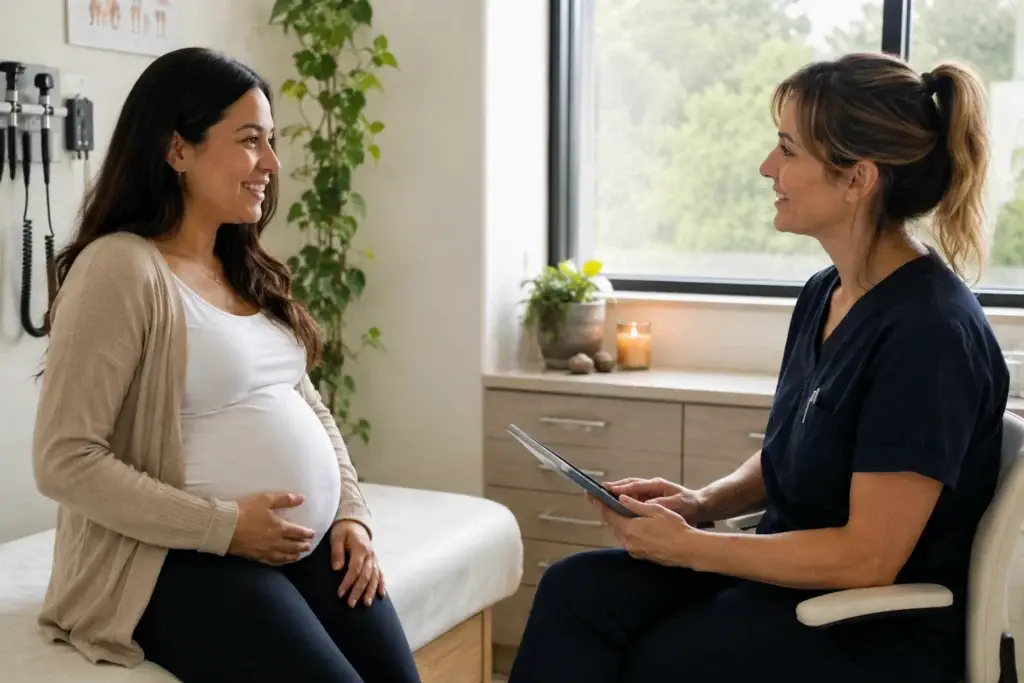
Partner assisted massage often feels easier, since someone else can see and reach the area more comfortably than you can on your own. If you don’t have a partner to help, self massage still works fine. Provider led massage during labor, paired with warm compresses, shows some of the strongest results in clinical research.
Safety Tips for Prenatal Vaginal Massage
Perineal massage is generally safe for most pregnant women, but a few situations call for caution. Skip it, or check with your provider first, if any of these apply to you.
- Active genital herpes or another vaginal infection
- Unexplained vaginal bleeding
- A low lying placenta, also called placenta previa
- A history of preterm labor in this pregnancy
- Recent vaginal surgery
Keeping your vaginal pH balanced can also support healthy tissue, so pay attention to changes in discharge or odor before you start a session. Stop right away if you feel sharp pain, notice bleeding, or feel unusually uncomfortable. A little burning or stretching sensation is normal. Sharp pain is not.
When to See a Doctor
Perineal massage is a self care step, not a medical treatment, so it does not replace regular prenatal visits. Call your doctor or midwife if you notice any of these signs.
- Bleeding that isn’t light spotting
- Fluid leaking that could be your water breaking
- Signs of infection, such as unusual discharge, odor, or fever
- Contractions before 37 weeks
- Severe or worsening pain during or after massage
After delivery, contact your provider if a tear or episiotomy site looks more swollen, red, or painful as days pass, since these can be signs of infection. Most perineal tears heal well within a few weeks with proper care and rest.
Healing After a Tear or Episiotomy
Minor first or second degree tears usually heal within 1 to 2 weeks. Deeper tears or an episiotomy site can take 4 to 6 weeks or longer to feel fully comfortable. Keep the area clean and dry, and ask your provider about safe pain relief options for the first few days. A few simple habits can speed up recovery and ease discomfort.
- Use a peri bottle to rinse the area after using the bathroom instead of wiping
- Sit on a soft cushion to take pressure off the healing tissue
- Drink plenty of water and eat enough fiber to avoid constipation
- Ask your provider when it is safe to resume pelvic floor exercises
Most people feel noticeably better within a few weeks, though full healing can take longer for deeper tears. Reach out to your provider anytime healing feels slower than expected.
When to start perineal massage comes down to one clear answer for most pregnant women, week 34. Use a simple oil like coconut oil, stay consistent a few times a week, and don’t stress if you start a little later than planned. Whatever week you start, talk with your doctor or midwife so your birth plan fits your specific pregnancy and history.
Frequently Asked Questions
When should I start perineal massage
Most US providers recommend starting around week 34 of pregnancy, about six weeks before a full term due date. This is when most clinical studies began, so it’s the window with the strongest evidence behind it. Talk with your doctor first if you have any pregnancy complications.
Is it too late to start perineal massage if I’m already past 34 weeks
It’s not too late at all. Even a few sessions in your final weeks may offer some benefit, and consistency matters more than how early you began. If you’re already in labor, ask your midwife about massage during the second stage instead.
What are perineal massages
Perineal massage is a technique that stretches the skin and muscle between your vagina and anus before delivery. You or a partner can do it at home using clean fingers and a natural oil. Most people start around week 34 of pregnancy.
Does perineal massage actually work
Research shows it can lower the risk of severe tearing and reduce the need for an episiotomy, especially for first time mothers. It is not a guarantee, and some studies show a smaller benefit than others. Pairing it with other birth prep methods gives you the best chance of a smoother delivery.
What oil should I use for perineal massage
Unscented coconut oil is a popular and gentle choice. Sweet almond oil, olive oil, and water based lubricants also work well. Avoid scented oils or anything with alcohol near the top of the ingredient list.
How often should I do perineal massage once I start
Most guidance suggests 5 minutes, three to four times a week, starting at week 34. Consistency matters more than long sessions. Stop anytime you feel sharp pain instead of a gentle stretch.