
You just found out you are pregnant, and now everyone wants to know one thing. Is it a boy or a girl?
A gender predictor can feel like the fastest way to get an answer. For instance, it might be an old family tradition, a kitchen test, or a real medical exam. Some methods are pure fun, and others come from solid science with measurable accuracy rates.
What Is a Gender Predictor and What Decides Your Baby’s Sex
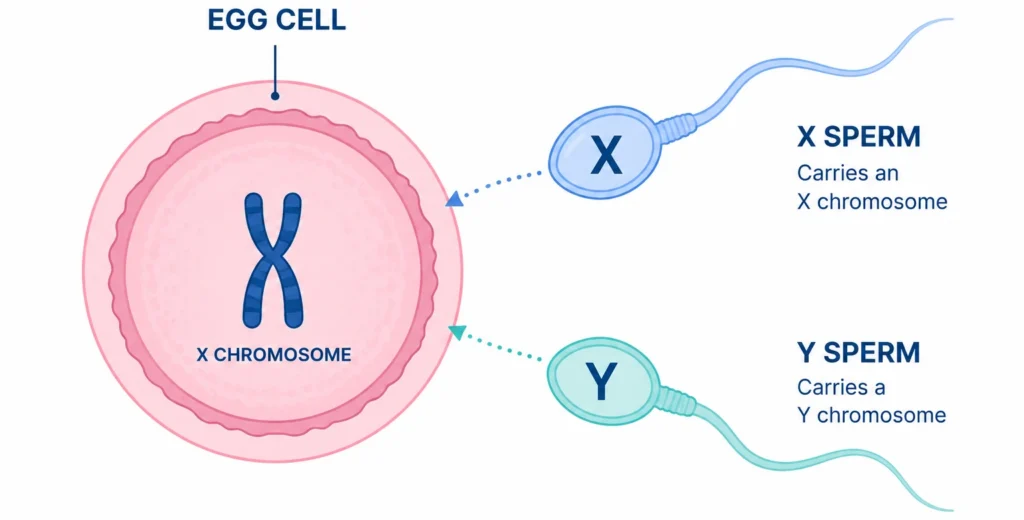
A baby’s sex gets set the moment sperm meets egg. The mother’s egg always carries an X chromosome, while the father’s sperm carries either an X or a Y. That single combination decides everything. An X paired with another X leads to a girl. Pairing an X with a Y leads to a boy.
Here are a few quick facts worth remembering.
- Egg cells from the mother always carry an X chromosome.
- Meanwhile, sperm cells from the father carry an X or a Y chromosome.
- Doctors call this trait fetal sex, while most parents simply say gender predictor or baby’s gender prediction.
- The outcome is set at conception, long before any gender predictor test can detect it.
Doctors and parents often use different words for the same idea. Sex refers to the biological traits set by chromosomes, while gender carries a broader social meaning. Most baby related searches still use the word gender predictor, so this guide uses both terms the way families do.
Baby’s gender prediction has come a long way from kitchen tests and family folklore. The sections below cover both the fun traditions and the real medical tools, ranked by how well they actually work.
How Accurate Is a Gender Predictor Based on Symptoms or Old Wives Tales
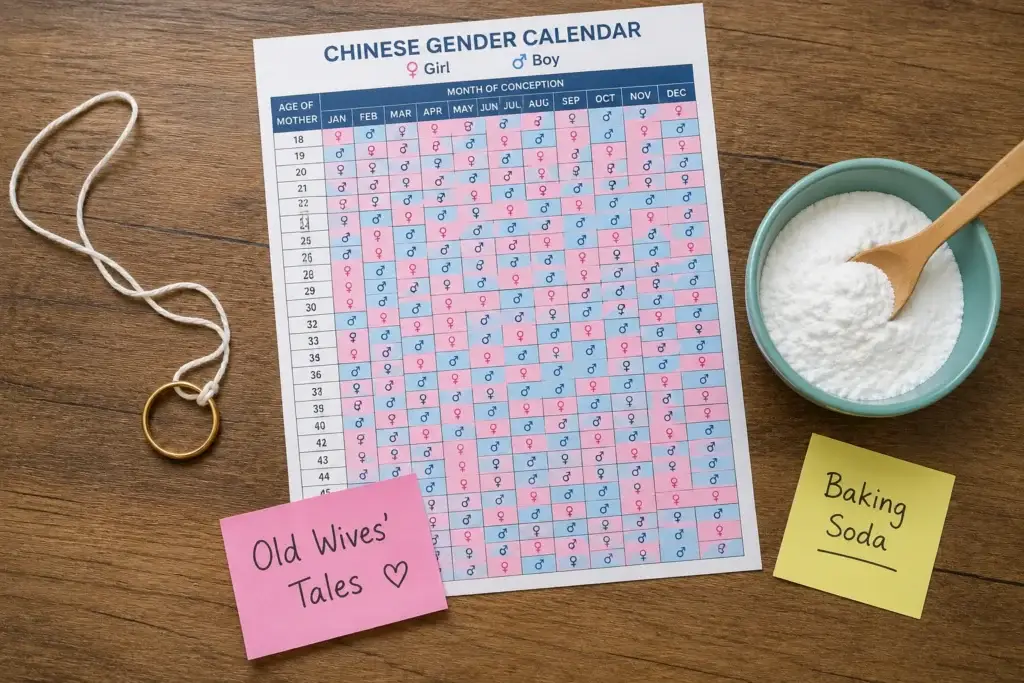
Long before modern testing, families leaned on body changes and food cravings for clues. These old wives tales feel charming, but none of them hold up under real research. Most studies put their accuracy at about 50 percent, the same odds as a coin flip.
Here is what the most popular gender predictor myths actually measure.
- Carrying high or low depends on muscle tone and the position of the baby. It is not linked to having a boy or girl.
- Salty or sweet cravings come from hormone shifts and nutrient needs, not from the baby’s sex.
- A faster or slower heart rate changes with the baby’s activity level and gestational age, not gender.
- The Chinese gender calendar uses your lunar age and conception month, and it scores about the same as guessing.
- Severe heartburn does not predict a bald or hairy baby’s gender either way.
- The ring test claims a swinging ring means a boy. A circular motion is said to mean a girl, though neither has scientific backing.
A 2006 study from Johns Hopkins in the journal Birth even tested the heartburn myth directly. Researchers found that women with worse heartburn did tend to have babies with more hair. That link traces back to pregnancy hormones relaxing the esophagus. It has nothing to do with whether the baby is a boy or a girl.
In addition, cramping is another symptom people misread for clues. Mild cramps during pregnancy are common in the first trimester and depend on body adjusting, not on your baby’s sex.
How Accurate Is a Gender Predictor Test by Ultrasound
Ultrasound is the most common gender predictor test, and timing changes everything. If you are wondering how to predict baby gender with real backing, timing matters more than which clinic you visit. For example, a study tracked sonographers across the first and second trimester. Before 12 weeks, accuracy was only about 54 percent, which is barely better than guessing.
Accuracy climbed to 77 percent between weeks 12 and 13, then to 79 percent the following week. After 14 weeks, the same researchers recorded 100 percent accuracy. Meanwhile, some clinics use what is called the nub theory around 11 to 12 weeks. One study found this method correctly identified girls 97 percent of the time. Boys were correctly identified 88 percent of the time.
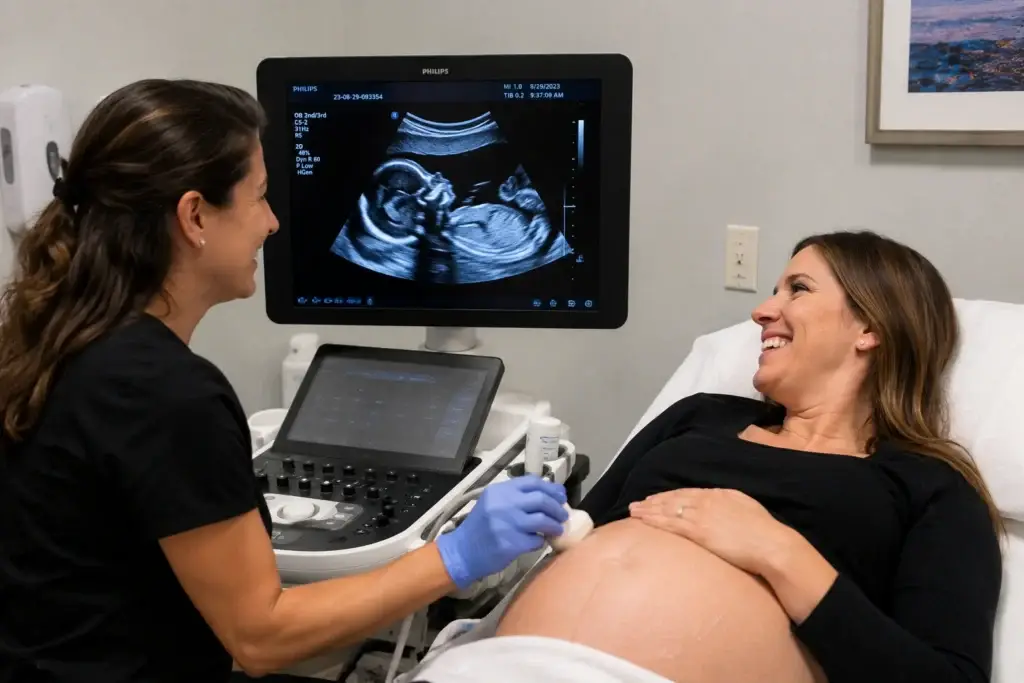
Most people find out their baby’s gender at the 18 to 20 week anatomy scan. The genitals are usually visible by this stage, according to Mayo Clinic, though baby position can still block the view. This same scan also checks the heart, brain, and other organs for healthy development, per Cleveland Clinic. Round ligament pain often shows up around these same weeks, as the uterus grows quickly to make room for baby.
Ultrasound is not perfect, and a few things can throw it off. A wiggly baby, a low amniotic fluid level, or an early due date can all make the picture less clear. Even skilled sonographers sometimes flag a guess as unconfirmed rather than risk being wrong.
How Accurate Is a Gender Predictor Blood Test
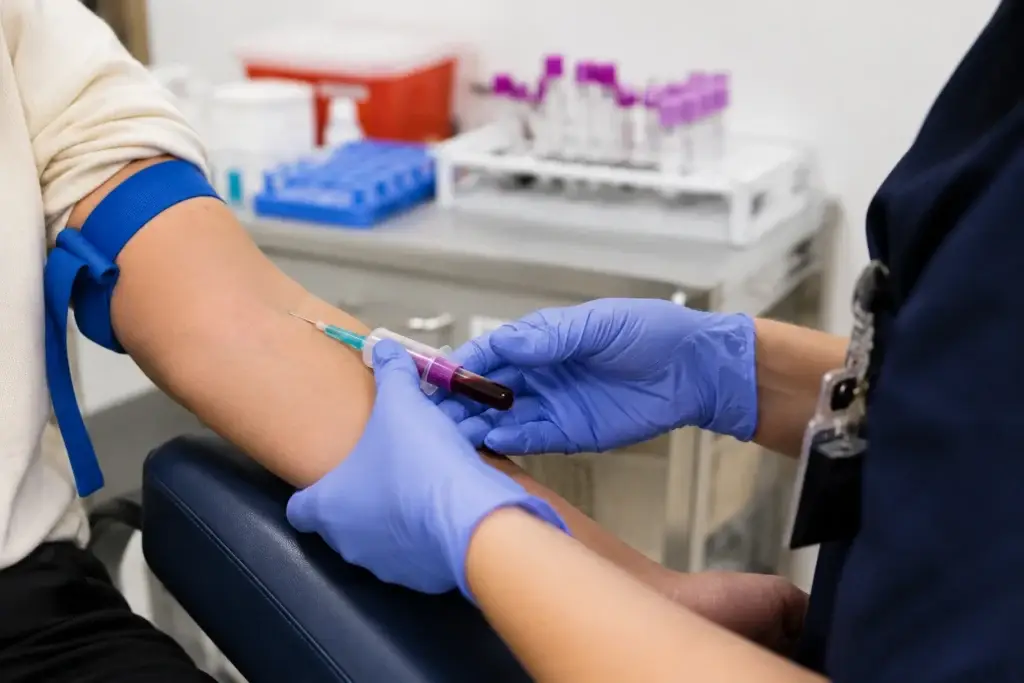
Noninvasive prenatal testing, or NIPT, is the most reliable gender predictor available today. It checks small fragments of the baby’s DNA that circulate in the mother’s blood. A health technology review found that NIPT accuracy for fetal sex is very high. That accuracy holds once the sample is drawn after week 7.
For example, most providers can run this test as early as 9 or 10 weeks. The test mainly screens for chromosome conditions, and finding out the baby’s sex is a bonus result. Out of pocket prices commonly range from about 100 dollars to a few hundred dollars. Many insurance plans cover the test when your doctor orders it for a medical reason.
Amniocentesis and chorionic villus sampling can also reveal the baby’s sex. Doctors rarely order these tests just for curiosity, though, since both carry a small procedure risk. They are typically reserved for situations with a genuine medical reason to test.
However, twin pregnancies add another layer of complexity. NIPT can determine fetal sex with very high accuracy when both twins are girls. Accuracy is slightly lower when at least one twin is a boy. Your doctor may suggest an ultrasound to confirm the blood test result.
NIPT only makes sense once your pregnancy is confirmed. Many people first suspect they are pregnant after noticing early pregnancy symptoms like fatigue or nausea. Others only find out once they can tell the difference between implantation bleeding and a period. Either way, your doctor can confirm timing before ordering any gender predictor blood test.
Gender Predictor Methods Compared
The table below lines up every common method side by side. Use it to weigh speed against accuracy before you decide which gender predictor route fits your family.
| Method | Earliest Timing | Typical Accuracy | Good to Know |
|---|---|---|---|
| Old wives tales and symptoms | Anytime | About 50 percent | Fun, not science based |
| Chinese gender calendar | Anytime | About 50 percent | Based on a lunar calendar, not biology |
| Ultrasound nub theory | 11 to 12 weeks | 88 to 97 percent | Accuracy depends on sonographer skill |
| Standard anatomy scan | 18 to 20 weeks | Close to 100 percent | Part of routine prenatal care |
| NIPT blood test | 9 to 10 weeks | Over 99 percent | Also screens for chromosome conditions |
| Amniocentesis or CVS | 10 to 16 weeks | Near 100 percent | Diagnostic test, rarely done for curiosity alone |
Notice how accuracy rises quickly once you move from folklore to lab based testing.
When to See a Doctor About Gender Predictor Results
A gender predictor result is rarely urgent, but a few situations call for a quick check in. Reach out to your OB if an ultrasound technician cannot get a clear view after multiple attempts. Unclear images sometimes point to low amniotic fluid or an unusual baby position that deserves a closer look.
Call your doctor right away if you notice any of these signs during pregnancy.
- Heavy vaginal bleeding or large clots
- Severe abdominal pain that does not ease up
- A sudden drop in your baby’s movement
- A fever above 100.4 degrees Fahrenheit
- Severe headaches with vision changes or swelling
Smart Tips for a Safe Gender Reveal
Once you know the answer, plenty of families like to celebrate with a gender reveal. Still, a little planning keeps the celebration fun and safe for everyone involved.
Keep these safety tips in mind before the big moment.
- Skip homemade smoke bombs, confetti cannons, or pyrotechnics outdoors during dry or windy weather.
- Choose food dye, balloons, or powder packs instead of any flammable device.
- Also, check local fire restrictions if your celebration involves any outdoor element.
- Ask a professional event company to handle anything explosive or fire based.
Every gender predictor method tells a different kind of story. Old wives tales and fun calculators offer a sweet way to guess early. Their odds are no better than a coin flip, though. Meanwhile, ultrasound gets sharper with every passing week. NIPT blood testing now offers some of the most accurate answers available, often before you even show. Whichever method you choose, your OB remains the best source for confirming the result. We always recommend keeping every prenatal visit on schedule.
Frequently Asked Questions
Can pregnancy symptoms really predict my baby’s gender?
No reliable evidence supports this. Cravings, heart rate, and the shape of your bump come from hormones, genetics, and body type, not your baby’s sex. These signs feel meaningful, but they score about the same as a coin flip.
How accurate is a gender predictor blood test?
NIPT blood testing is over 99 percent accurate for fetal sex once the sample is drawn after week 7. It works by reading small pieces of the baby’s DNA in your blood. Most people can take it starting around 9 or 10 weeks of pregnancy.
What is the earliest I can find out my baby’s gender?
NIPT blood testing offers the earliest reliable answer, usually around 9 or 10 weeks. Ultrasound can sometimes spot gender by 11 to 12 weeks using the nub theory. Accuracy improves a lot after 14 weeks.
Is the Chinese gender predictor accurate?
Not in any scientific sense. The Chinese gender calendar relies on your lunar age and conception month rather than biology. In fact, most reviews put its accuracy at about 50 percent, the same as flipping a coin.
Can an ultrasound be wrong about my baby’s gender?
Yes, especially earlier in pregnancy. A wiggly baby, low amniotic fluid, or an early gestational age can all make the genitals harder to see clearly. Accuracy climbs sharply after 14 weeks. By the 18 to 20 week anatomy scan, it reaches close to 100 percent.
Does a gender predictor blood test check for anything besides sex?
Yes. NIPT mainly screens for chromosome conditions like Down syndrome, and finding out your baby’s sex comes as an added result. Your doctor can explain what the full panel covers before you decide to test.