
Constant tiredness, thinning hair, and breathlessness on the stairs often trace back to one small protein in your blood. Maybe a routine test surprised you, or your hairbrush is fuller than it used to be.
The good news is that most people can rebuild their iron stores. Smart food choices, the right supplements, and a few daily habits make the biggest difference.
What Is Ferritin and Why It Matters
Ferritin is a protein that stores iron inside your cells for later use. Think of it as your body’s iron savings account. When you eat iron rich foods, your body uses some right away and tucks the rest into ferritin.
A simple blood test measures your ferritin level. That number tells your doctor how large your iron reserves really are. Low ferritin almost always points to low iron, even when a basic blood count still looks normal. Providers often order this test once a complete blood count shows low hemoglobin or hematocrit, according to the Cleveland Clinic.
Ferritin drops before red blood cells shrink, making it an early warning sign of an iron problem. A standard complete blood count can still look normal while ferritin is already low. That gap is why doctors often order both tests together when fatigue has no clear cause.
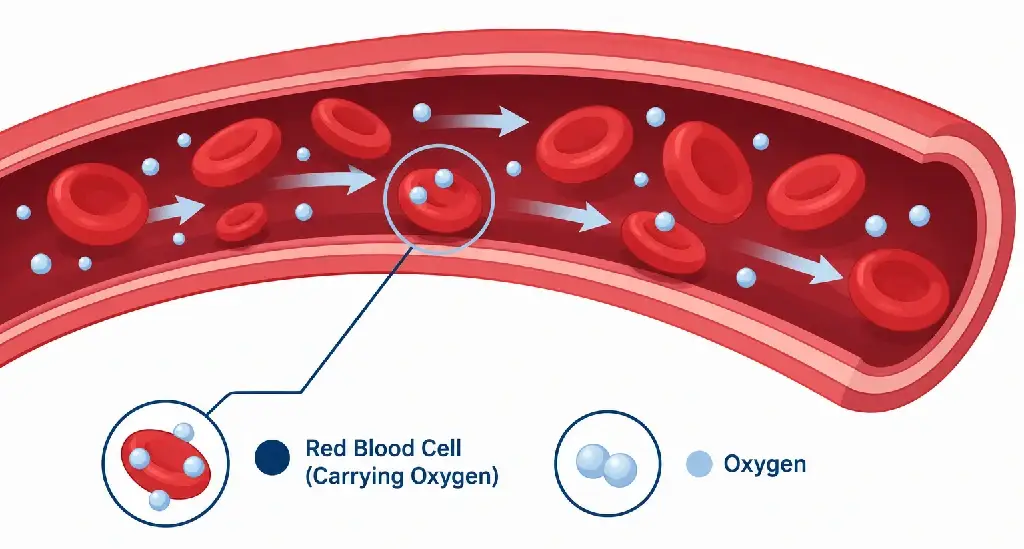
Healthy ferritin keeps oxygen moving through your blood. It also supports steady energy and a strong immune system. Once your stores drop too low, your body cannot make enough hemoglobin. That shortage is what leads to iron deficiency anemia, according to MedlinePlus.
Normal Ferritin Ranges for Men, Women, and Children
Lab ranges vary slightly, but the Cleveland Clinic lists these typical ranges.
| Group | Typical Normal Range |
|---|---|
| Adult women | 15 to 205 ng/mL |
| Adult men | 30 to 566 ng/mL |
| Children, 6 months to 15 years | 12 to 140 ng/mL |
Men generally run higher than women because monthly blood loss steadily lowers stores in women of childbearing age. Your own lab report may show a slightly different range. Always compare your result against the numbers printed on that report. A level near the bottom of your range still counts as normal. But it leaves little room for extra iron loss.
Signs Your Ferritin Levels Are Low

Low ferritin can quietly drain your energy long before a doctor orders a blood test. Many people brush off the early signs as a busy life or poor sleep. Watch for these common symptoms instead.
- Ongoing tiredness that does not improve with rest
- Pale skin or pale inner eyelids
- Shortness of breath during normal activity
- Frequent headaches or dizziness
- Hair that sheds more than usual
- Brittle nails or restless legs at night
- Cold hands and feet
These symptoms show up because your tissues are not getting enough oxygen rich blood. If several of these sound familiar, ask your doctor for a ferritin and complete blood count test. Guessing at the cause can delay the right treatment.
What Causes Low Ferritin Levels
Several everyday factors can drain your iron stores and create a need to increase ferritin levels again. The Cleveland Clinic lists the most common causes of low ferritin.
- Not eating enough iron rich food
- Poor iron absorption from conditions like celiac disease
- Heavy blood loss from periods or gastrointestinal bleeding
- Pregnancy, since blood volume and a growing baby both raise iron needs
- Frequent blood donation
Some causes are temporary, while others need ongoing management from your doctor. Endurance training can also wear down your stores over time. Athletes who train hard should ask a doctor about regular monitoring. The National Institutes of Health flags several groups at high risk for low iron. Infants, young children, and teenage girls top that list in the United States. Pregnant women and women who still have periods face higher risk too.
Who Is Most at Risk of Low Ferritin
A few groups face a higher chance of running low.
- Women with heavy or frequent periods
- Pregnant women, since the fatigue of early pregnancy can mask the deeper tiredness low iron causes
- People who follow a vegetarian or vegan diet
- Frequent blood donors
- People with ulcers, celiac disease, or inflammatory bowel disease
How to Increase Ferritin Levels With Food
Food will not raise ferritin overnight, but the right choices build your reserves over weeks and months. Iron comes in two forms, and each behaves differently in your body.
Best Iron Rich Foods to Add to Your Plate
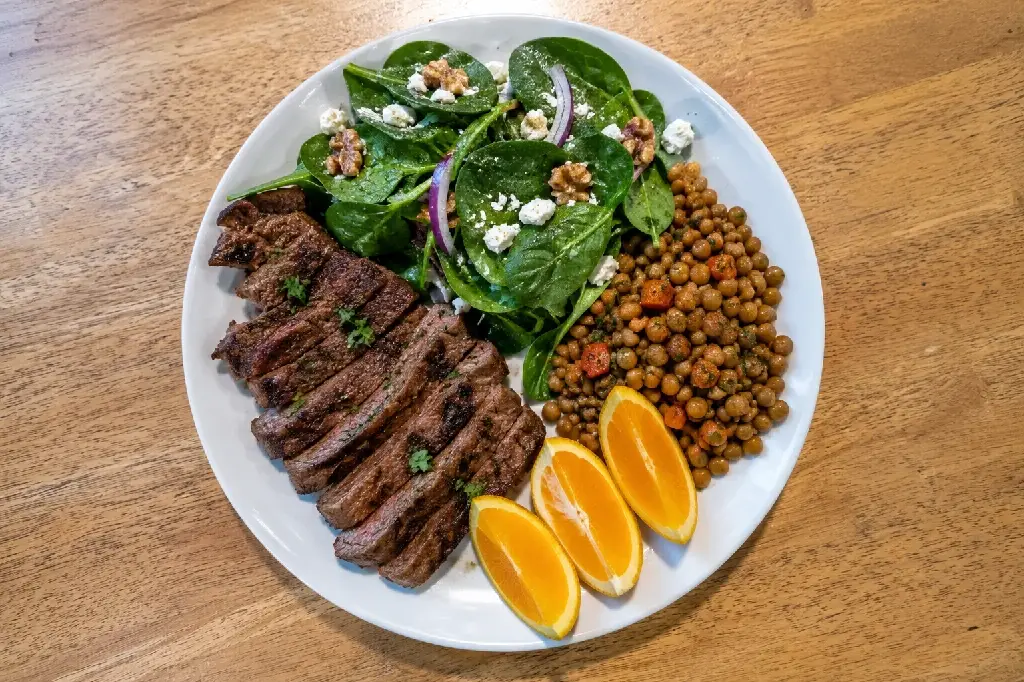
Heme iron comes from animal foods and absorbs far better than non heme iron from plants. The NIH Office of Dietary Supplements confirms this absorption gap.
| Iron Type | Food Sources | Absorption |
|---|---|---|
| Heme iron | Beef, liver, poultry, oysters, clams, tuna | Higher, absorbed more easily |
| Non heme iron | Lentils, beans, tofu, spinach, kale, fortified cereal | Lower, but still useful |
Vegetarians and vegans need almost twice as much dietary iron. Non heme iron from plants absorbs less efficiently than iron from meat, according to the NIH Office of Dietary Supplements. If you eat meat, add liver or oysters to your plate once or twice a week. If you follow a plant based diet, lean on lentils, beans, and fortified cereal instead.
Boost Iron Absorption With These Simple Pairings
Pairing foods correctly can change how much iron your body actually keeps.
- Add vitamin C foods like citrus, peppers, or strawberries to iron rich meals
- Cook tomato sauce or chili in a cast iron skillet for an iron boost
- Try fermented foods like kimchi or sauerkraut alongside meals
- Skip tea or coffee until an hour after eating
Beetroot powder is another easy option, since its vitamin C content helps your body absorb iron from other foods.
How to Raise Ferritin Levels With Supplements
Diet alone often is not enough once ferritin drops significantly. Iron supplements remain the most reliable way to raise ferritin levels quickly, but they work best under medical guidance.
A few practical habits make supplements more effective and easier on your stomach.
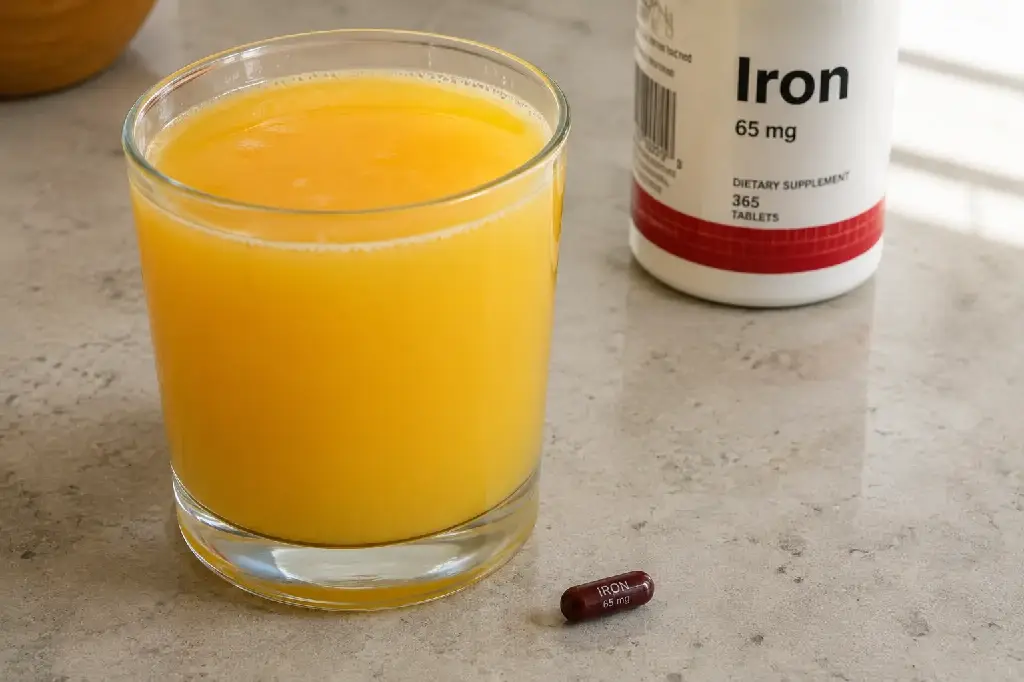
- Take iron with vitamin C or a glass of orange juice to improve absorption
- Space iron two hours before or four hours after antacids, since antacids block absorption
- Take calcium supplements at a different time of day than iron
- Expect mild stomach upset or dark stools, and call your doctor if pain feels severe
- Ask about an every other day dosing schedule, since some research suggests it improves comfort
Common forms include ferrous sulfate, ferrous gluconate, and ferric citrate. Liquid and gentle iron formulas exist for people who cannot tolerate standard tablets. Your doctor can suggest a gentler option if one causes stomach upset. Most people start feeling better within about a week of starting treatment. Rebuilding ferritin fully can take several months, according to Mayo Clinic. For severe deficiency, or when oral iron does not work fast enough, your doctor may recommend IV iron instead.
Why a Blood Test Should Come First
Taking iron without knowing your level is risky. Hemochromatosis is a genetic condition that causes the body to absorb too much iron. Extra iron from supplements can build up in your liver, heart, and joints over time. A simple blood test rules this out before you start, which keeps the entire plan safe.
What Can Block Your Ferritin From Rising
Certain habits and medications quietly cancel out your progress.
- Tea, coffee, and other sources of tannins, which limit iron absorption
- Calcium rich foods or supplements eaten at the same time as iron
- Long term use of antacids or acid reducing medication
- Untreated celiac disease or H pylori infection
- High fiber meals eaten right alongside an iron supplement
These blockers will not cause permanent damage, but they can stall your results for weeks. If your ferritin will not budge despite consistent effort, ask your doctor to check for one of these hidden blockers.
How Long It Takes to Raise Your Ferritin Levels
Patience matters here. Most people notice less fatigue within one to two weeks of starting treatment. Rebuilding ferritin stores fully usually takes two to three months of consistent effort, and sometimes longer for severe deficiency. Energy often returns faster than the lab numbers do, so do not judge progress by how you feel alone.
When to See a Doctor About Low Ferritin Levels
Low ferritin is rarely an emergency, but some signs deserve prompt attention.
- Chest pain, a racing heart, or fainting
- Severe or worsening shortness of breath
- Blood in your stool or vomit
- Heavy periods that soak through protection every hour
- Ferritin that stays low after three months of treatment
Call your doctor before starting any iron supplement on your own. This matters most if you have a family history of hemochromatosis or liver disease. Our care team at BannerHealth.io recommends testing first and treating second, every time.
The Bottom Line
Most people can increase ferritin levels with a steady mix of food, smart pairing habits, and supplements. The right combination, used consistently, makes the biggest difference over time. Testing first, treating consistently, and following up with your doctor matters most. That combination gives you the clearest path to healthy iron stores and steady energy again.
Frequently Asked Questions
How do I increase my ferritin levels quickly?
The fastest path is usually iron supplements taken with vitamin C, under a doctor’s guidance. Severe cases sometimes need IV iron, which raises stores faster than pills. Food alone helps, but it works more slowly. Most people notice better energy within one to two weeks of starting treatment.
What is the best way to increase ferritin levels?
The best way combines iron rich food with a vitamin C pairing to boost absorption. Add supplements once a blood test confirms you need them. Skipping that blood test and guessing at supplements is not a good idea. Your doctor can tailor the plan to your specific cause.
What foods have ferritin?
Foods do not actually contain ferritin itself. They contain iron, and your body stores that iron as ferritin once it is absorbed. Red meat, liver, oysters, lentils, and spinach are some of the best sources of that iron.
How do you increase your ferritin levels naturally?
Eating heme and non heme iron foods together with vitamin C is the most natural approach. Cooking in cast iron pans and avoiding tea or coffee with meals also helps. Natural methods work best for mild cases and take longer than supplements.
What causes ferritin to increase on its own?
Ferritin can rise without any iron changes when your body fights inflammation, an infection, or a chronic illness. Liver disease, obesity, and excess alcohol use can also raise it. A doctor needs more tests to find the exact cause.
Can low ferritin levels affect your hair?
Yes, low ferritin is a well known cause of hair shedding and slow regrowth. Hair often improves within a few months of restoring healthy iron stores. If shedding continues after treatment, ask your doctor about other causes.