
A burning sensation in your nose can show up out of nowhere and make every breath feel uncomfortable.
You might notice it after a long day outside, during allergy season, or right after a cold. Understanding why your nose burns is the first step toward calming it down. At BannerHealth.io, we cover the common triggers behind a burning nose and the steps that bring relief.
Why Your Nose Burns When You Breathe
Sensitive nerve endings and delicate tissue line your nasal passages. When that tissue gets inflamed, dried out, or irritated, nerve endings react and send a burning signal to your brain. This is why a burning sensation in your nose often feels worse the moment you inhale.
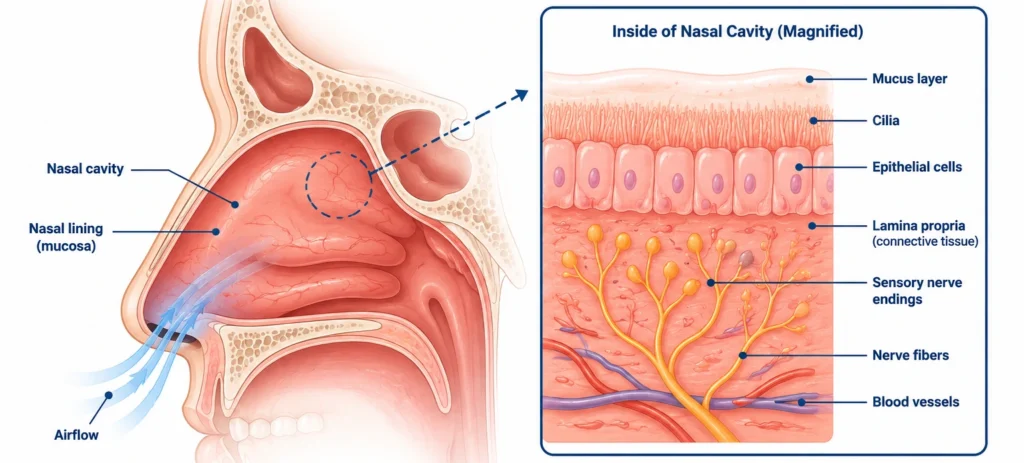
Cold air, allergens, and infections all change the environment inside your nose. Each of these triggers works a little differently, but the result feels similar. Your nostrils burning is really your body flagging that something in the airway needs attention.
Common Causes of a Burning Sensation in Your Nose
Several everyday triggers explain why your nose burns. Some clear up on their own within a day or two. Others need a specific fix before the burning stops for good.
Allergic and Nonallergic Rhinitis
Allergic rhinitis happens when your immune system overreacts to pollen, dust, mold, or pet dander. Your nasal lining swells, and that swelling presses on nerve endings, which triggers the burn. Nonallergic rhinitis causes the same reaction. Strong odors, weather changes, or spicy food set it off instead of allergens, according to the Mayo Clinic.
Not sure if a cold or allergies are behind your symptoms? Our guide on how to tell a cold apart from allergies breaks down the differences. Allergies can also spread beyond your nose and trigger head pain in some people. We cover that connection in our piece on whether allergies can cause headaches.
Sinus Infections
A sinus infection inflames the tissue behind your cheeks and forehead. That swelling often spreads into your nasal passages, which leaves your nose feeling raw and burning with every breath. Pressure and thick mucus usually come along with it.
If pressure is your main complaint, our article on ways to relieve sinus pressure walks through targeted relief steps. Most sinus infections clear within one to two weeks with home care.
Colds, Flu, and Viral Infections
More than 200 viruses can cause a common cold. Rhinoviruses are the most frequent culprit in the United States, according to the CDC. These viruses inflame your nasal lining, which is why a cold often brings on nose burns when you inhale.
Flu viruses cause similar nasal inflammation, though the rest of your body usually feels worse with the flu. Unsure whether it is a cold or the flu? Our comparison of flu versus cold symptoms can help you figure out your next step.
Nasal Spray Overuse (Rhinitis Medicamentosa)
Decongestant nasal sprays work fast, but using them for more than three to five days in a row can backfire. Your blood vessels stop responding normally, and congestion returns worse than before. Your nose can start to burn and crust, according to Cleveland Clinic.
This cycle is called rhinitis medicamentosa. The fix is a slow taper, not a sudden stop, since quitting cold turkey can make congestion spike again.
Dry Indoor Air and Low Humidity
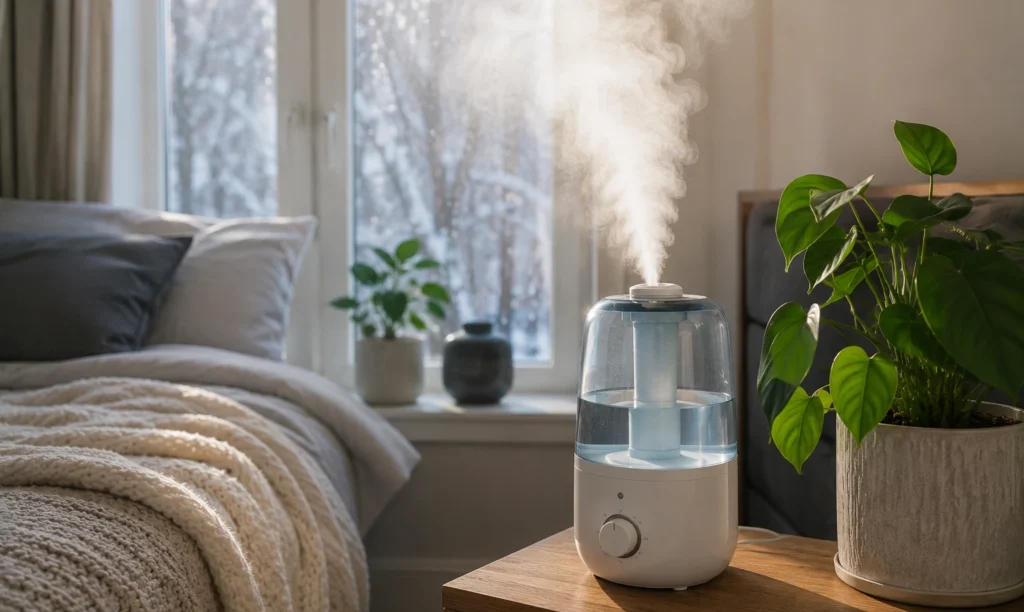
Dry air pulls moisture straight out of your nasal tissue. Once that protective layer of moisture is gone, every breath scrapes against exposed, sensitive nerve endings. This is one of the most overlooked reasons your nose burns, especially in winter when heaters run all day.
The EPA recommends keeping indoor humidity between 30 and 50 percent to protect your airways and skin. Below that range, dryness sets in fast. Above 60 percent, mold and dust mites become the bigger problem instead.
Spicy Foods and Chemical Irritants
Capsaicin is the compound that makes peppers hot. It directly activates the trigeminal nerve inside your nose, producing an immediate burning feeling and a runny nose. Research published in the Journal of Allergy and Clinical Immunology confirms this reaction.

Strong cleaning products, perfume, and smoke trigger that same nerve pathway. Your nose reacts to these chemicals as threats, even though they are not dangerous in small amounts. The burn usually fades within fifteen to twenty minutes once you step away from the trigger.
When Nose Burning Signals Something More
Most burning noses trace back to one of the causes above, and most resolve within days. Occasionally, though, a burning sensation lingers for weeks or months without a clear trigger. This chronic pattern deserves its own explanation, since it rarely shows up in general nose burning guides.
A rare but real condition called empty nose syndrome can cause ongoing burning and dryness. It often brings a sense of not getting enough air, most commonly after turbinate reduction surgery, according to Cleveland Clinic. People with this condition describe a constant raw feeling that home remedies do not touch.
Has your burning nose lasted more than a few weeks despite humidifiers, saline rinses, and allergy control? An ear, nose, and throat specialist can check for this less common cause. A specialist can also rule out nerve related nasal conditions that general remedies will not fix.
How to Stop a Burning Sensation in Your Nose at Home
Once you have a sense of what triggered your burning nose, most cases respond well to simple home care. These steps work for allergy, dryness, and mild irritation related burning.

- Rinse your nasal passages once or twice a day with a saline spray or neti pot. Use sterile, distilled, or boiled and cooled water only.
- Run a humidifier in your bedroom and keep indoor humidity between 30 and 50 percent.
- Drink water throughout the day, since hydration keeps nasal tissue from drying out.
- Stop decongestant nasal sprays gradually if you have used them for more than five days. Taper one nostril at a time over about a week.
- Avoid known triggers like cigarette smoke, strong perfume, and cleaning fumes until your nose calms down.
- Skip very spicy meals for a few days if your symptoms started after a hot meal.
If you are pregnant and dealing with cold like nasal symptoms, some remedies need adjusting. Our guide to safe cold relief during pregnancy covers options that are gentle for you and your baby.
Common Causes Compared
| Cause | Main Trigger | First Step to Try |
|---|---|---|
| Allergic rhinitis | Pollen, dust, pet dander | Antihistamine and saline rinse |
| Nonallergic rhinitis | Weather, odors, spicy food | Avoid the trigger and rinse with saline |
| Sinus infection | Bacterial or viral sinus inflammation | Steam, hydration, decongestant for a few days |
| Nasal spray overuse | Decongestant spray used past 5 days | Gradual taper, not cold turkey |
| Dry indoor air | Low humidity, indoor heating | Humidifier set to 30 to 50 percent |
| Chemical irritants | Smoke, perfume, cleaning fumes | Fresh air and trigger avoidance |
When to See a Doctor for a Burning Nose
Most burning noses clear up with home care within a week. Reach out to your doctor if the burning lasts longer than ten days or keeps coming back. Also call if saline rinses and a humidifier do not help.
Seek medical care sooner if you notice a fever, thick colored discharge, or facial pain around your cheeks or forehead. Nosebleeds that will not stop also need prompt attention. Vision changes, severe headache, or swelling around your eyes call for urgent evaluation, because they can signal a spreading infection.
Conclusion
A burning sensation in your nose usually points to dryness, allergies, a cold, or an overused decongestant spray. Most cases ease within a few days once you address the actual trigger instead of just the symptom. Pay attention to how long the burning lasts and whether home care helps. That timing tells you when a doctor’s input is worth getting. For more health guidance like this, visit BannerHealth.io.
Frequently Asked Questions
Why does my nose burn when I breathe?
Your nasal lining reacts to inflammation, dryness, or irritation by activating sensitive nerve endings. Every breath moves air across those nerves, which produces the burning feeling. Allergies, colds, dry air, and nasal spray overuse are the most common reasons behind it.
Why does my nose burn all of a sudden?
A sudden burning nose often follows exposure to a new irritant, like strong cleaning fumes, cold air, or spicy food. It can also follow the first day of a cold or allergy flare. The burn usually fades once the trigger passes or you rinse your nasal passages with saline.
What does it mean when your nostrils are burning?
Burning nostrils usually signal irritation right at the entrance of your nasal passage. Dry air, frequent nose blowing, or a nasal spray used too often can all inflame this area. Keeping the area moisturized with saline gel often brings quick relief.
Why does my nose burn when I inhale cold air?
Cold air holds less moisture than warm air, and it pulls water from your nasal lining as you inhale. That sudden dryness irritates nerve endings and produces a burning feeling. Breathing through a scarf or mask in cold weather can reduce this effect.
Can dry air cause a burning sensation in my nose?
Yes, dry air is one of the most common and overlooked causes of nasal burning. Indoor heating during winter drops humidity well below the 30 to 50 percent range your airways need. A humidifier and saline spray usually resolve dry air related burning within a few days.
How long does a burning sensation in the nose usually last?
Most cases from allergies, dry air, or mild irritation clear within two to five days of home care. Burning from a cold or sinus infection may last as long as the infection itself, often one to two weeks. Symptoms that persist past ten days deserve a doctor’s evaluation.
Is a burning nose a sign of COVID or a sinus infection?
A burning nose can appear with both, though it is not the defining symptom of either one. COVID and sinus infections tend to bring additional symptoms like fever, congestion, facial pressure, or smell loss. Testing and a medical evaluation are the only reliable ways to tell them apart.
Can overusing nasal spray cause your nose to burn?
Yes, using decongestant nasal sprays for more than five days in a row can trigger rebound congestion and burning. This condition, called rhinitis medicamentosa, improves once you taper off the spray gradually. Switching to a saline spray during the taper keeps your nose comfortable.