
Why Are My Feet Itchy? Common Causes and How to Get Relief
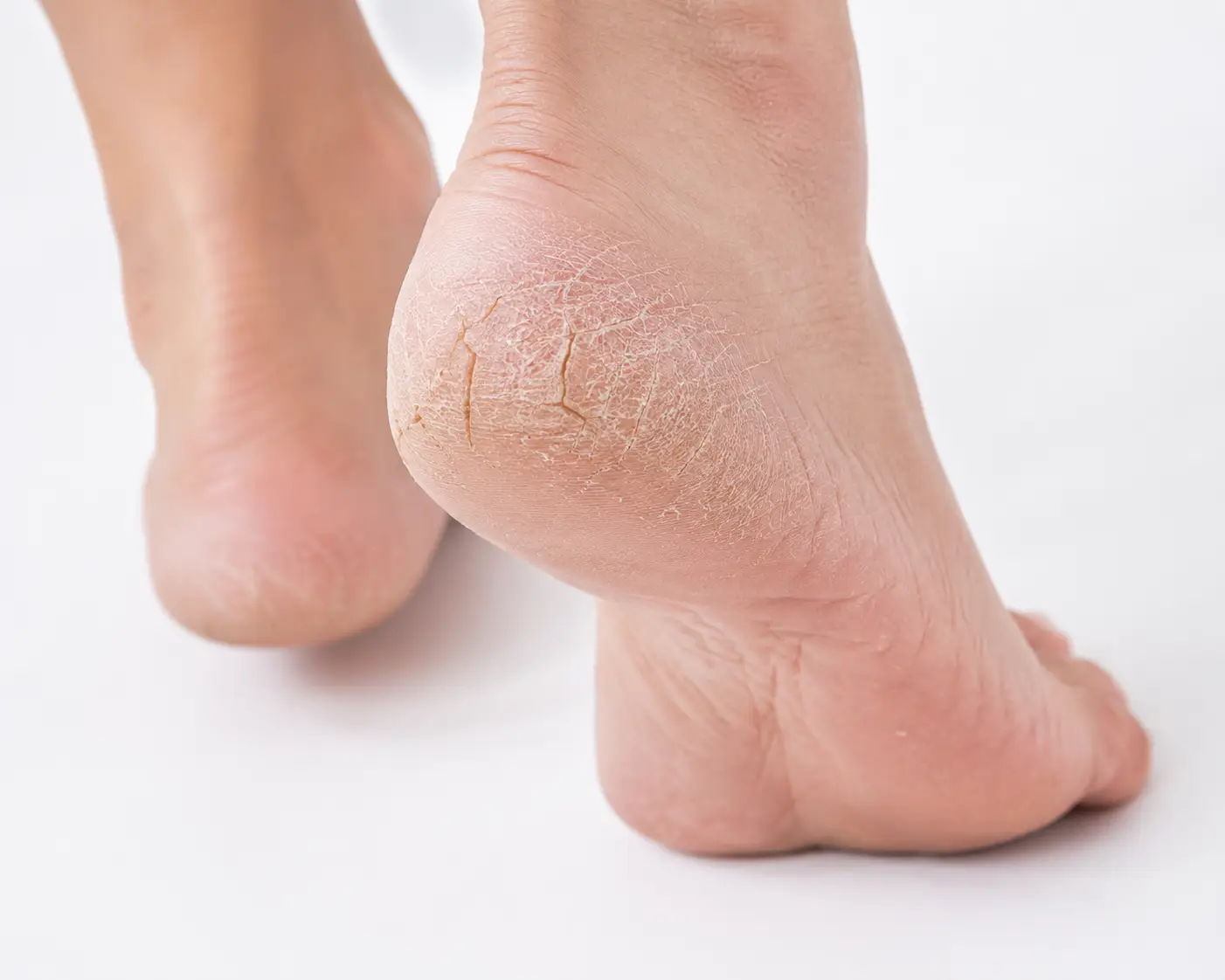
Common Causes of Itchy Feet
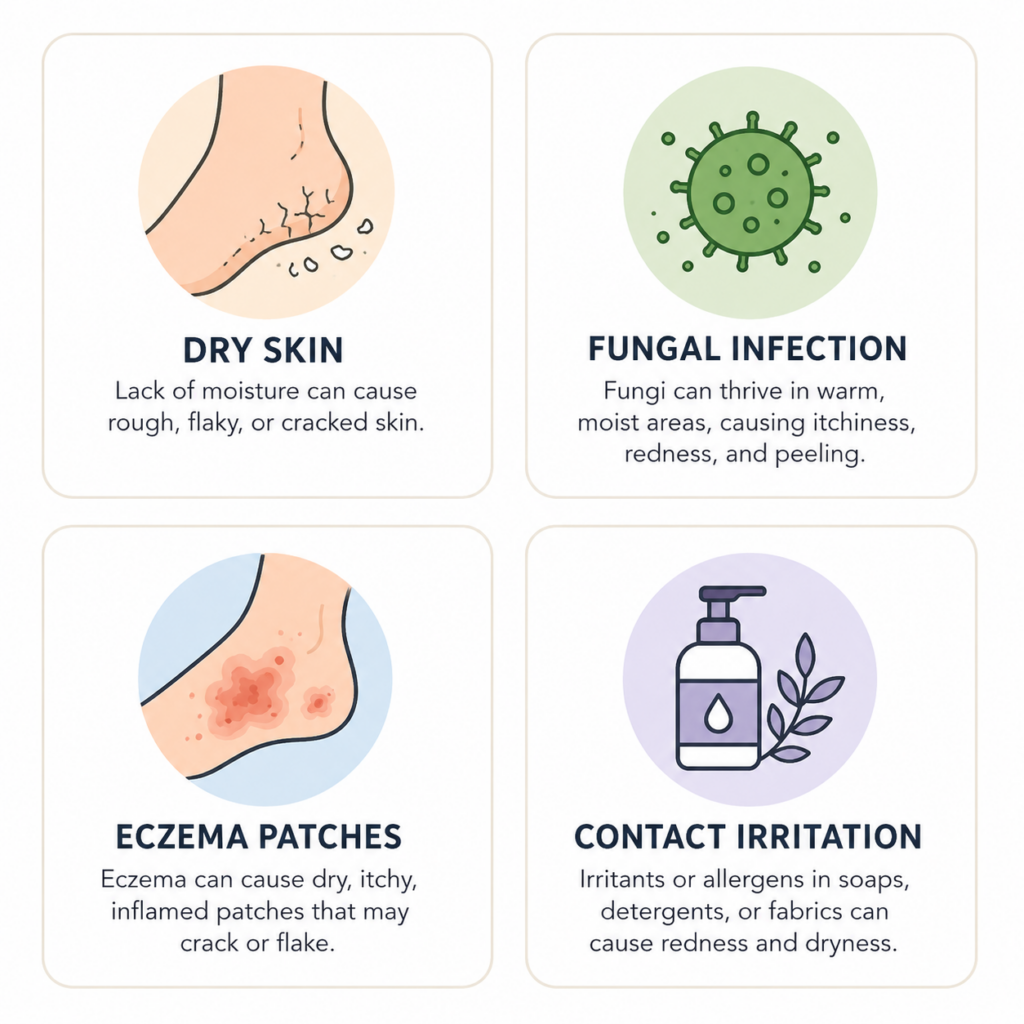
Itchy feet rarely happen without a reason. Here are the most common causes.
Dry Skin
Dry skin is one of the top reasons people experience itchy feet. Cold air, hot showers, and low humidity all pull moisture out of your skin. Your heels and soles are especially prone to drying out. Without regular moisturizing, the skin becomes rough, cracked, and itchy.
Athlete’s Foot
Athlete’s foot, known medically as tinea pedis, is a fungal infection that often starts between the toes. It thrives in warm, moist environments like locker rooms and shared showers. A 2025 study in the National Institutes of Health database found that up to one in four Americans deals with tinea pedis at some point. Early treatment stops the infection from spreading.
Signs of athlete’s foot include:
- Intense itching between the toes or on the sole
- Scaly, peeling, or cracked skin
- Redness and a mild burning sensation
- Soft, white patches of skin between the toes
Eczema and Psoriasis
Eczema causes dry, inflamed skin patches that itch badly. Psoriasis is an autoimmune condition where your immune system attacks healthy skin cells. Both conditions can affect the tops and soles of your feet. They tend to flare up and calm down in cycles, often triggered by stress, weather, or certain products.
Contact Dermatitis
Contact dermatitis is a skin reaction triggered by contact with an irritant or allergen. New shoes, synthetic socks, laundry detergents, and skincare products are frequent culprits. The reaction appears as redness, swelling, and itching. Removing the trigger usually clears it up within a few days.
Why Do the Bottoms of My Feet Itch at Night?
Many people notice that itchy feet get worse after dark. This is very common, and there are clear reasons for it.
At night, your body temperature rises slightly. That warmth intensifies the itch signal. Fewer distractions also mean you feel the sensation more strongly. Additionally, conditions like eczema and contact dermatitis tend to flare in the evening.
Other reasons the bottoms of your feet may itch at night:
- Athlete’s foot, which worsens inside warm, enclosed shoes throughout the day
- Low vitamin D levels, which can lead to dry and irritated skin
- Reactions to bedding materials or laundry detergent
- Nerve changes tied to diabetes or kidney disease
If nighttime itching keeps you awake regularly, speak with a doctor to rule out a systemic cause.
Why Is the Top of My Foot Itchy?
Itching on the top of the foot often has different causes than itching on the sole. The upper surface of your foot contacts shoe materials, fabric, and metal hardware all day. These are common allergens and irritants. Reactions appear as redness, swelling, and itching right where the contact occurred.
Nerve related conditions can also cause an itchy or tingling feeling on the top of the foot. This is especially common in people with diabetes or peripheral neuropathy. Mild infections and insect bites are other possibilities worth keeping in mind.
Feet Itching Symptoms and What They Mean
Not all feet itching symptoms are the same. Some signal a simple fix. Others point to something that needs a doctor’s attention.
| Symptom | Likely Cause | Suggested Action |
|---|---|---|
| Dry, flaky skin between toes | Athlete’s foot or dry skin | OTC antifungal or moisturizer |
| Red, scaly patches on the sole | Psoriasis or eczema | See a dermatologist |
| Itching with hives or swelling | Allergic reaction | Antihistamine, see a doctor if severe |
| Itch with no visible rash | Nerve issue or systemic disease | See a doctor |
| Deep burning itch across the foot | Diabetic nerve changes | See your doctor promptly |
| Persistent itch lasting weeks | Kidney or liver disease | Medical evaluation needed |
If your symptoms match anything in the middle or lower rows of that table, don’t wait long to get checked.
What Does It Mean When Your Right Foot Itches?
From a medical standpoint, itching in the right foot has the same potential causes as itching anywhere on the foot. There is no clinical reason to treat one foot differently from the other. That said, if only one foot itches, it often points to a localized cause.
Possible reasons for a one foot itch:
- A fungal infection that started there and hasn’t spread yet
- Contact with an irritant on just that foot, like a new shoe
- A nerve issue affecting one side of the body
- A bug bite or minor skin injury
If itching in one foot doesn’t clear up within two weeks, have a doctor take a look.
Itchy Feet Treatment at Home
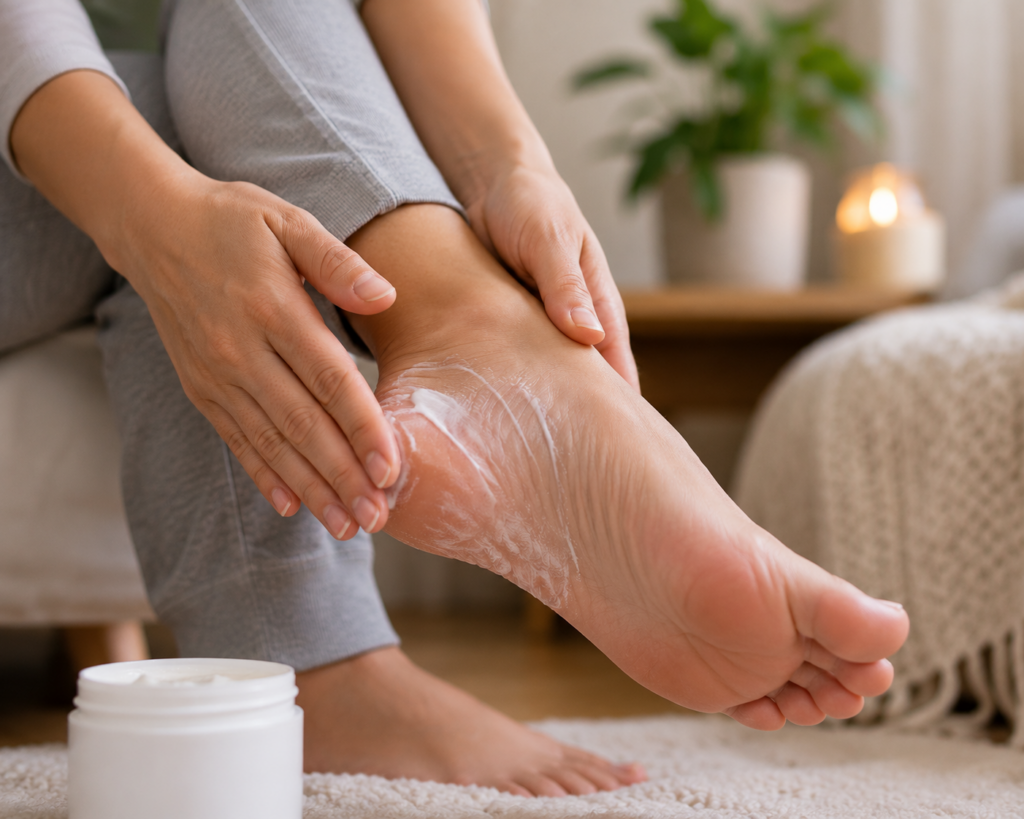
Many cases of itchy feet respond well to simple home care. Here’s what works for the most common causes.
Dry skin and general itching
- Apply a fragrance free moisturizer right after bathing, while skin is still slightly damp
- Hold a cool compress on the itchy area for five to ten minutes for fast relief
- Try an oatmeal foot soak to calm inflamed skin
- Avoid hot showers, which strip your skin of its natural oils
Athlete’s foot
- Use an OTC antifungal cream, spray, or powder
- Look for active ingredients like terbinafine, clotrimazole, or miconazole
- Keep your feet clean and dry, especially between the toes
- Wear moisture wicking socks and breathable footwear
Contact dermatitis
- Identify and stop using the product or material causing the reaction
- A 1% hydrocortisone cream can calm mild skin irritation
- Oral antihistamines help when itching is tied to a broader allergic response
The American Academy of Dermatology notes that identifying the root cause is the key first step in any itchy feet treatment plan.
Systemic Conditions That Can Cause Itchy Feet
Sometimes itchy feet aren’t a skin issue at all. They can point to something happening inside your body.
Diabetes
Diabetes affects circulation and nerve function in the feet. This can produce a persistent itch, especially in the lower legs and feet. The Cleveland Clinic notes that skin changes in the feet are among the earliest visible signs of poorly managed blood sugar. If you have diabetes and notice new foot symptoms, speak with your doctor soon. For more on how diabetic nerve changes affect specific foot areas, read our article on pain in the second toe.
Kidney Disease
According to the American Academy of Dermatology, extremely itchy skin is a recognized symptom of advanced kidney disease. The itch can start in one area and spread across the body. It often has no visible rash, making it harder to identify without medical testing.
Nerve Damage
Nerve damage from any cause can create unusual sensations in the feet. These include itching, tingling, numbness, and burning. Many people with nerve damage feel these symptoms most at night. If structural foot problems like bone spurs are also present, nerve irritation can compound the itching further.
When to See a Doctor for Itchy Feet

Most itchy feet cases improve with home care. But some situations call for a doctor’s visit.
See a doctor if:
- The itch lasts more than two weeks and home treatment hasn’t helped
- You see spreading redness, warmth, or swelling moving up the leg
- You have open sores, blisters, or signs of infection
- Itching is disrupting your sleep on a regular basis
- You have diabetes or an immune condition and notice new foot symptoms
- You have an itch with no visible rash, which can suggest a nerve or internal cause
Getting the right diagnosis early makes treatment faster and more effective. If you’ve also dealt with foot injuries like a dislocated toe, know that inflammation from those injuries can sometimes cause skin irritation in the surrounding area.
Figuring out why are my feet itchy is the first step toward lasting relief. Whether the cause is dry skin, a fungal infection, or something systemic, paying attention to your symptoms helps you act quickly. Most cases are treatable at home, and the ones that aren’t get better faster with early medical care.
Frequently Asked Questions
Why are my feet itchy but there is no rash?
Itching without a visible rash often points to nerve related causes or internal conditions. Diabetes, kidney disease, and liver problems can all cause itching without producing a visible skin rash. If this type of itch persists for more than two weeks, see your doctor for a full evaluation.
Why do the bottoms of my feet itch at night?
The bottoms of your feet often itch more at night because body temperature rises slightly in the evening. Fewer distractions make the itch feel more intense. Athlete’s foot, eczema, and reactions to bedding or detergents are all common nighttime triggers.
What is the fastest itchy feet treatment at home?
A cool compress held against the itchy area for five to ten minutes gives fast relief. For dry skin, applying a fragrance free moisturizer right after bathing helps seal in hydration. For athlete’s foot, a consistent OTC antifungal cream works well within a few weeks.
Why is the top of my foot itchy?
The top of your foot contacts shoe materials and fabrics all day, making contact dermatitis a frequent cause. Nerve irritation from conditions like diabetes can also produce itching on the upper foot surface. Switching to natural materials and breathable footwear often reduces symptoms.
What does it mean when your right foot itches?
Medically, itching in the right foot has the same causes as itching in any foot. It could be a localized fungal infection, a contact reaction, or a nerve issue on that side. If it doesn’t resolve in two weeks, have a doctor check it.
Can itchy feet be a sign of diabetes?
Yes, persistent itchy feet can be an early sign of diabetic nerve damage or poor circulation in the lower legs. The itch tends to appear without a clear skin cause. If you have diabetes or risk factors for it, tell your doctor about any new foot symptoms promptly.
Written by Theo James
The information on this page is for general educational purposes only and is not a substitute for professional medical advice, diagnosis, or treatment. Always talk with your doctor or another qualified healthcare provider about any questions you have regarding a medical condition. Never ignore professional medical advice or delay seeking it because of something you read on the internet.