
Gastritis Symptoms, What They Mean and How to Treat Them
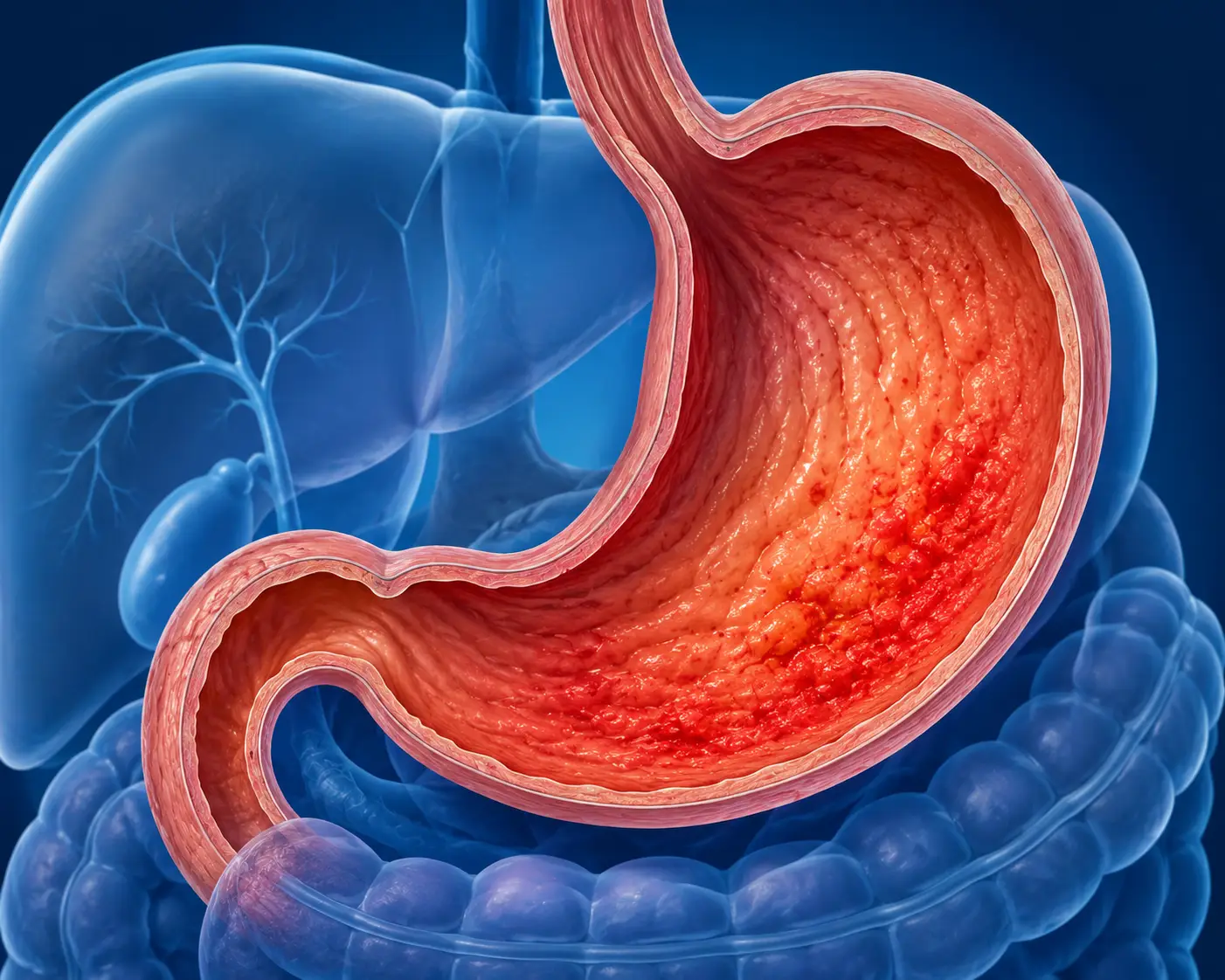
Gastritis is one of the most common stomach conditions in the United States. Millions of people deal with it every year. Most cases are very treatable, and getting the right information early makes a real difference in how fast you recover.
What Is Gastritis?
Gastritis is inflammation of the lining inside your stomach. That lining normally shields the stomach from its own digestive acid. When it gets irritated or damaged, inflammation sets in and gastritis symptoms begin.
Two main types exist:
- Acute gastritis starts suddenly and usually lasts only a few days.
- Chronic gastritis develops slowly and can linger for months or years without obvious signs.
Both types share many of the same gastritis symptoms. However, they differ in how long they last and what triggers them.
Common Gastritis Symptoms

Recognizing the signs early helps you get the right care faster. Some people have mild gastritis for a long time without realizing it.
Mild to Moderate Gastritis Symptoms
These are the most frequently reported gastritis symptoms:
- A burning or gnawing pain in the upper and center stomach area
- Nausea, with or without vomiting
- Bloating and feeling full after only a small meal
- Indigestion and a sour feeling in the stomach
- Loss of appetite
- Belching or passing gas more than usual
Symptoms often feel worse on an empty stomach. They also tend to flare after eating spicy, fatty, or acidic foods.
Serious Symptoms That Need Immediate Care
Some signs suggest the stomach lining is actively bleeding. These require urgent medical attention:
- Vomiting blood or vomit that looks like coffee grounds
- Black, tarry, or very dark stools
- Severe stomach pain that does not ease up
- Feeling dizzy or faint alongside stomach pain
If you notice any of these, go to an emergency room right away.
What Is Gastritis Caused By?
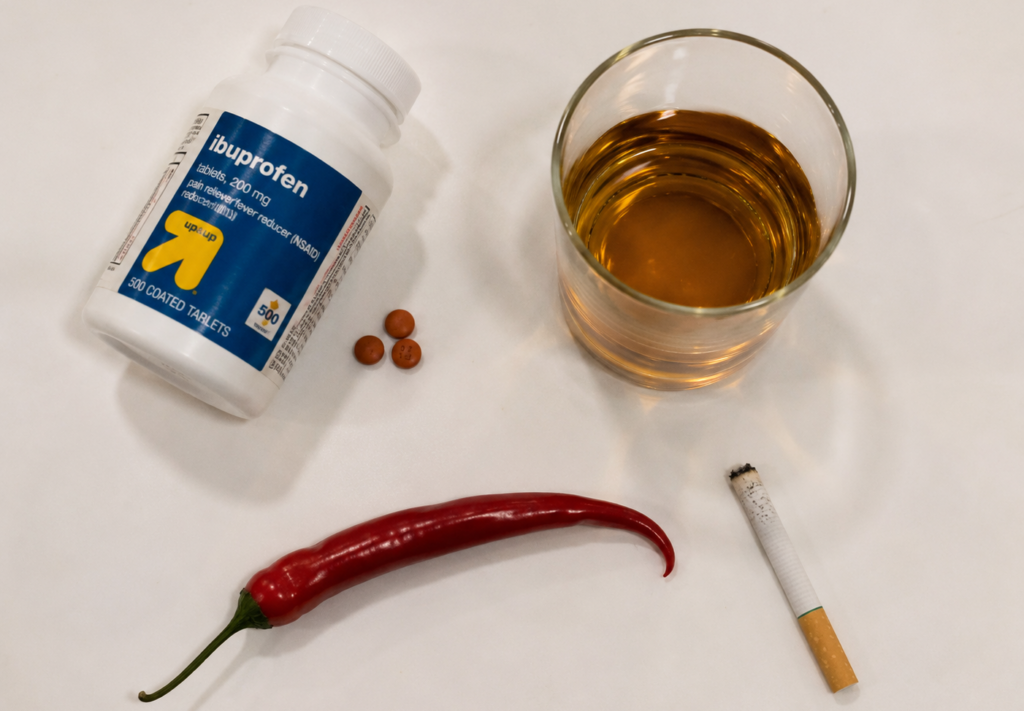
Several things can damage the stomach lining and trigger gastritis. Here are the most common causes:
- H. pylori infection. This bacterial infection is the leading cause worldwide. According to NIH StatPearls, roughly 30% of Americans carry H. pylori. Many never know they have it until symptoms develop.
- NSAID pain relievers. Regular use of medications like ibuprofen and aspirin irritates the stomach lining over time.
- Heavy alcohol use. Drinking too much breaks down the stomach’s protective layer and causes direct irritation.
- Autoimmune response. Sometimes the immune system mistakenly attacks the stomach lining cells.
- Physical stress. Major surgery or severe illness can trigger acute gastritis quickly.
- Bile reflux. When bile from the small intestine flows back into the stomach, it irritates the lining.
Knowing the cause matters because treatment targets the root source. A doctor will often test for H. pylori first, since it is so commonly involved.
How Do You Know if You Have Gastritis?
You cannot confirm gastritis on symptoms alone. Many stomach conditions look very similar. However, a burning pain in the upper abdomen that gets reliably better or worse with eating is a key indicator.
Johns Hopkins Medicine notes that a doctor will typically use one or more of these methods to confirm a diagnosis:
- An upper endoscopy to view the stomach lining directly
- A blood or stool test for H. pylori
- A urea breath test to detect active H. pylori infection
- A biopsy of stomach tissue taken during endoscopy
If your symptoms have lasted more than a few days, see your doctor. Getting a proper diagnosis is the right first step toward feeling better.
Can Gastritis Cause Stomach Cramps and Constipation?
Yes, gastritis can cause stomach cramps. The inflammation in the lining sends pain signals outward. That often feels like cramping or squeezing in the upper abdominal area, rather than a simple burning sensation.
Constipation is less directly linked to gastritis itself. However, treatments can affect bowel habits in real ways. Antacids that contain aluminum can slow digestion and lead to constipation. Also, many people managing gastritis cut back on high fiber foods to avoid triggers. That dietary shift can contribute to constipation as a side effect.
If constipation becomes a persistent issue during your gastritis treatment, talk to your doctor. They can adjust your antacid or suggest dietary changes that address both concerns at once.
How Long Can Gastritis Last?
Duration depends on the type you have and whether the underlying cause is treated.
| Type | How It Starts | Typical Duration |
|---|---|---|
| Acute gastritis | Suddenly | A few days to 2 weeks |
| Chronic gastritis | Gradually | Months to years |
| H. pylori gastritis | Either way | 4 to 6 weeks after treatment |
Acute gastritis often clears on its own once you remove the trigger. Avoiding alcohol and irritating foods speeds recovery considerably.
H. pylori gastritis responds well to antibiotics. Research published on PubMed found that inflammation typically clears within 4 to 6 weeks after a successful course of antibiotics. Chronic gastritis without a treatable cause takes longer to manage and often requires regular checkups alongside ongoing lifestyle changes.
Is Gastritis Dangerous?
Most cases of gastritis are manageable and not immediately life-threatening. However, leaving it untreated for a long time brings real risks.
The Cleveland Clinic notes that erosive gastritis can develop into peptic ulcer disease. Ulcers cause persistent pain and can bleed internally. Long term H. pylori infection also raises stomach cancer risk. This happens when it causes changes in the stomach lining known as intestinal metaplasia.
Other complications from untreated gastritis include:
- Anemia from slow and ongoing stomach bleeding
- Low levels of B12 and iron due to poor absorption
- Gastric outlet obstruction if scarring narrows the stomach opening
Mild gastritis is usually not dangerous on its own. But chronic, untreated gastritis is worth taking seriously. Early treatment prevents these outcomes from developing.
Managing Gastritis Symptoms at Home
You can take practical steps to ease gastritis symptoms while following your doctor’s plan.
Foods to Avoid
Cutting these out often brings noticeable relief:
- Spicy and heavily seasoned foods
- Fried and greasy foods
- Alcohol and caffeinated drinks
- Citrus fruits and tomato-based foods
- Carbonated beverages
Foods That Can Help
These are generally easier on an inflamed stomach:
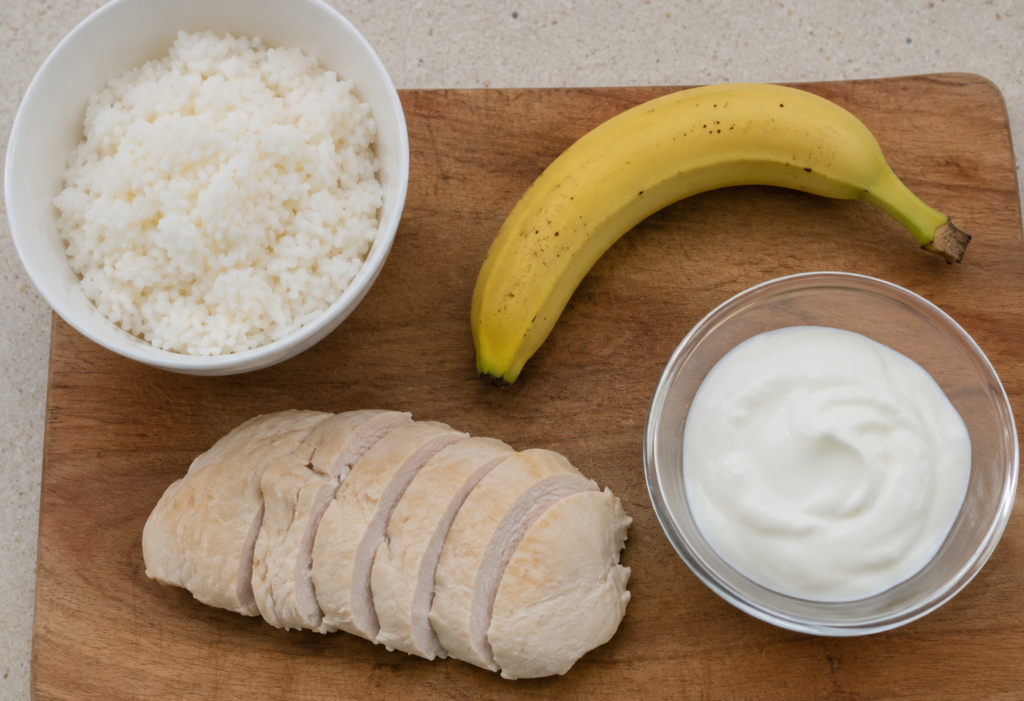
- Plain rice, bananas, and toast
- Lean proteins like grilled chicken or white fish
- Plain yogurt with live cultures, which supports healthy gut bacteria
Some people ask whether alkaline water can help with stomach acid. We take a closer look at the evidence in our alkaline water guide. Saffron is another option that has shown promise for reducing gut inflammation. Our saffron health benefits article covers what the research actually shows.
Other Changes That Help
- Eat smaller meals throughout the day rather than large ones
- Do not lie down right after eating
- Reduce or stop NSAID use after talking to your doctor first
- Manage stress through light exercise or breathing techniques
- Quit smoking, since it weakens the stomach’s protective lining over time
When to See a Doctor for Gastritis Symptoms
Some cases resolve with home care. Others need medical treatment before they improve. Reach out to a doctor if:
- Symptoms last longer than one week without getting better
- Nausea or vomiting stops you from eating or staying hydrated
- You notice blood in your vomit or stool
- You are losing weight without trying to
- Over the counter antacids have stopped working
Upper abdominal and chest pain can sometimes be confused with other conditions. Our article on slipping rib syndrome covers one condition that produces similar discomfort in that area.
If you are pregnant and experiencing nausea alongside stomach pain, hormones may also be playing a role. Our early pregnancy symptoms guide walks through how pregnancy-related nausea differs from other digestive issues.
For any severe or sudden stomach pain, do not wait. Seek medical care the same day.
Frequently Asked Questions
What are the first signs of gastritis?
Early gastritis symptoms typically include a burning pain in the upper stomach, nausea, and bloating after eating. Some people also feel unusually full after only a small meal. These signs often appear after consuming alcohol, eating spicy food, or taking pain medications like ibuprofen.
How do you know if you have gastritis?
You likely have gastritis if you have recurring upper stomach pain, persistent nausea after meals, and bloating that does not improve. However, a doctor must confirm the diagnosis. They will usually test for H. pylori and may recommend an upper endoscopy to view the stomach lining directly.
Can gastritis cause stomach cramps?
Yes. Inflammation in the stomach lining can cause cramping or squeezing pain in the upper abdominal area. This is often mistaken for a general stomach ache. If cramps are frequent or getting worse, see your doctor to rule out ulcers or other digestive conditions.
Can gastritis cause constipation?
Gastritis does not directly cause constipation. However, certain antacids used to treat it, especially those containing aluminum, can slow digestion. Dietary changes made to manage gastritis can also reduce fiber intake, which contributes to constipation. Let your doctor know if both issues are affecting you.
How long does gastritis last?
Acute gastritis typically clears within a few days to two weeks once the trigger is removed. H. pylori gastritis usually resolves within 4 to 6 weeks of antibiotic treatment. Chronic gastritis may last months or years and often requires ongoing management along with regular medical checkups.
Is gastritis dangerous if left untreated?
It can become dangerous over time. Untreated chronic gastritis can lead to peptic ulcers, internal bleeding, anemia, and nutrient deficiencies. Long term H. pylori infection also raises the risk of stomach cancer. Treating gastritis early and addressing the root cause significantly reduces these risks.
Written by Theo James
The information on this page is for general educational purposes only and is not a substitute for professional medical advice, diagnosis, or treatment. Always talk with your doctor or another qualified healthcare provider about any questions you have regarding a medical condition. Never ignore professional medical advice or delay seeking it because of something you read on the internet.