Early Pregnancy Symptoms and What They May Mean for You
What Are the First Early Pregnancy Symptoms?
Many early pregnancy symptoms start once a fertilized egg implants in the uterus. This shift triggers a rise in hormones such as hCG and progesterone. Your body begins adjusting almost right away. Some women notice changes within a week, while others do not feel different for several weeks.
Rising progesterone is often behind the tiredness many women feel, while higher hCG levels can trigger nausea and changes in appetite. Knowing the cause behind a symptom can make it feel less random and more like a normal part of early pregnancy.
No two pregnancies look exactly alike, even for the same woman. You might notice every sign on this list, or only one or two. Some women notice nothing at all in these early weeks, and that is just as normal as noticing every sign here.
Here are eight early signs of pregnancy that many women notice first.
- A missed or unusually light period
- Sore, swollen, or tender breasts
- Nausea, with or without vomiting
- A stronger sense of smell or new food aversions
- Tiredness that feels heavier than normal
- More frequent trips to the bathroom
- Light spotting or mild cramping
- Mood swings that feel stronger than usual
Your body sends out small signals like these all the time. In some ways, this is similar to how changes in your feet can point to larger health patterns. Paying attention to small shifts now can help you feel more in tune with your body.
How Long Does It Take for Pregnancy Symptoms to Show Up?
Many women want to know how long pregnancy symptoms take to show up. The truth is that it varies from person to person. Implantation usually happens six to ten days after conception, and some signs can start around that time. According to Johns Hopkins Medicine, some early signs can appear within about a week of conception.
By the time your period is officially late, usually about four weeks after your last cycle started, hormone levels are often high enough for a home test to pick up. That is why many providers suggest waiting until then before testing, even if you already feel different sooner.
Other signs build up more slowly. Nausea and breast changes often grow stronger over the first few weeks, and fatigue can creep in bit by bit. Pregnancy also raises your blood volume early on, which can make your heart work harder than usual. That is somewhat like what happens to your heart rate when your body is fighting off a cold.
Early Signs of Pregnancy Before a Missed Period
Some early signs of pregnancy can show up before a missed period. This can catch you off guard, especially if your cycle usually runs like clockwork. These signs often show up quietly, so it is easy to mistake them for stress or an early period.
- Mild cramping around the time of implantation
- Light spotting that looks lighter or pinker than a period
- Breast tenderness that feels different from your usual PMS soreness
- A heightened sense of smell
- Tiredness that lingers even after a full night of sleep
- Slight bloating or a feeling of fullness
Tracking your cycle on a calendar or app can make these early changes easier to spot. When you know your usual pattern, small shifts stand out sooner. That can help you decide when it makes sense to test.
When Does Breast Tenderness Start in Pregnancy?

Breast tenderness is one of the earliest signs many women report. For most women, it starts within one to two weeks after conception. That is often around the same time a period would normally arrive. Cleveland Clinic notes that breast changes are often among the first signals your body sends in early pregnancy.
The feeling can differ from regular PMS soreness. Many women describe their breasts as fuller, heavier, or more sensitive to touch. The skin around the nipples, called the areola, may also look darker over the following weeks. For many women, this tenderness eases once the first trimester ends and hormone levels settle into a steadier pattern.
How Early Pregnancy Symptoms Differ From PMS
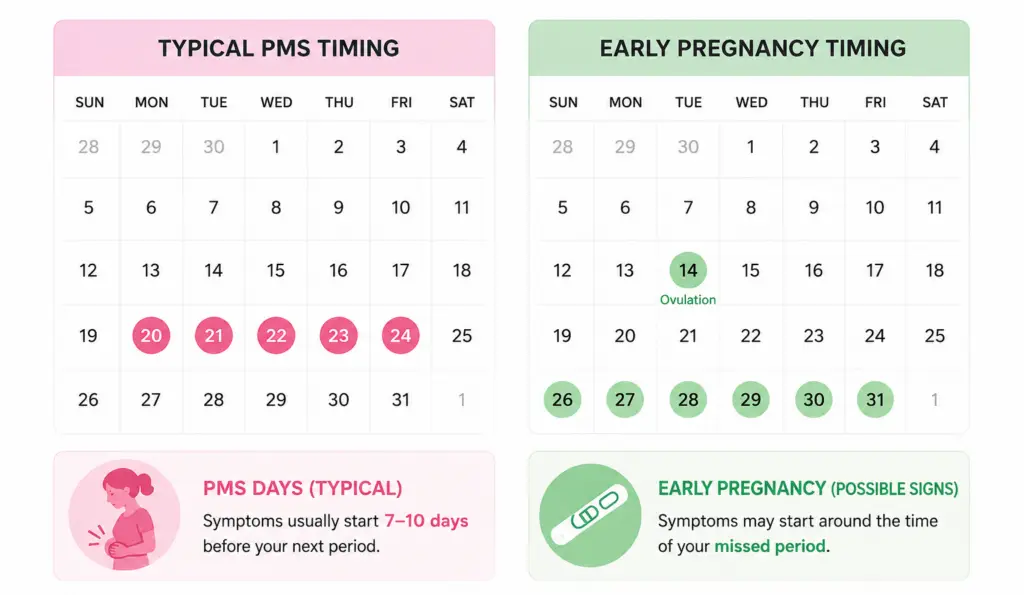
Early pregnancy and PMS share many of the same signs. That overlap can make the days before a missed period feel confusing. Telling the two apart can feel like trying to tell a cold from allergies, since the early signs often overlap so closely. A simple comparison can help you spot small differences worth noticing.
| Symptom | More Common in PMS | More Common in Early Pregnancy |
|---|---|---|
| Cramping | Eases once your period starts | May feel milder and can come with light spotting |
| Breast changes | Soreness fades when your period begins | Tenderness, fullness, or darker skin around the nipple that continues |
| Tiredness | Mild and short lived | Often deeper and can last for weeks |
| Mood changes | Follows your usual monthly pattern | May feel stronger or less predictable than normal |
| Nausea | Uncommon | Can show up, often in the morning, within the first few weeks |
If your period is late and these signs continue, a home pregnancy test is your best next step. Testing about a week after a missed period helps. By then, your body has had time to build up hormone levels a test can detect. Keeping a quick note of your symptoms and their timing can also help your provider during your first visit. Small details, like when spotting started or how long nausea lasts, can paint a clearer picture.
What if You Have Pregnancy Symptoms but a Negative Test?
Sometimes your body feels like it might be pregnant even when a test says otherwise. This happens for several reasons, and most of them are not a cause for worry.
- You tested too early, before hCG levels were high enough to detect
- Stress, poor sleep, or shifts in your cycle can mimic early pregnancy symptoms
- Certain health conditions, including thyroid changes, can cause similar signs
A very faint line on a home test can also be confusing. Lines that appear after the test reading window has passed are usually not reliable. It helps to follow the instructions closely and check your results within the suggested time.
If your period still has not arrived within a week, test again or call your provider. Mayo Clinic suggests testing again in a few days using your first morning urine, since hormone levels run highest then.
When to See a Doctor About Early Pregnancy Symptoms
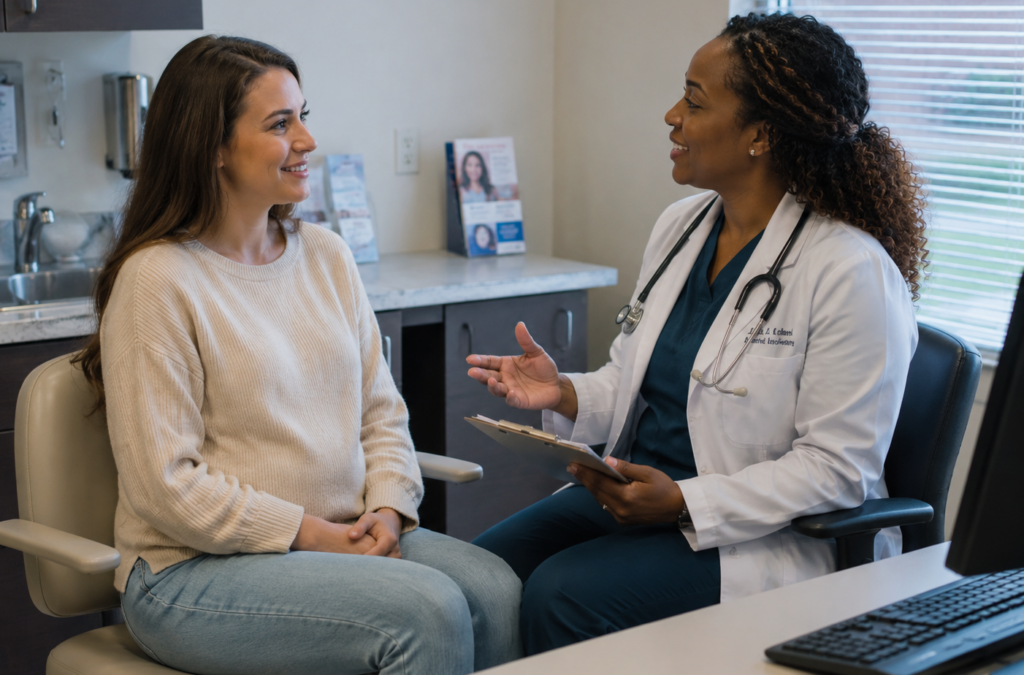
Most early pregnancy symptoms are normal and simply mean your body is adjusting. Still, certain signs deserve a call to your provider right away. Not every new feeling means something is wrong. Mild cramping, light spotting, or quick waves of nausea are common and often pass on their own. The signs below are different because they tend to be sudden, severe, or simply do not let up.
- Heavy bleeding that soaks through a pad in an hour
- Severe belly pain or cramping on one side
- Dizziness, fainting, or a fast heartbeat that does not settle down
- A fever along with pelvic pain
- Spotting that grows heavier or lasts more than a day or two
If any of these signs feel sudden or severe, do not wait for your next scheduled appointment. Urgent care or an emergency room visit may be the safer choice in that moment. MedlinePlus advises contacting your provider as soon as you notice unusual bleeding. Early checks can rule out more serious causes and offer peace of mind.
Once your pregnancy is confirmed, schedule your first prenatal visit soon. Many providers like to see you within the first six to eight weeks. MedlinePlus has more on what that first visit usually covers.
Early pregnancy symptoms can feel confusing, especially when they show up earlier than expected. Paying attention to small changes helps you understand what your body may be telling you. That includes shifts like breast tenderness and ongoing tiredness.
Pregnancy keeps changing your body well past these first few weeks. Some shifts even show up in surprising places. One example is the wrist and thumb pain some new mothers notice once the baby arrives. If your signs continue, or a test confirms your pregnancy, reach out to your provider. Starting care early can help you feel supported in the months ahead.
Frequently Asked Questions
What is usually the first sign of early pregnancy?
For many women, the first sign is a missed period. Breast tenderness and tiredness often show up around the same time. These early pregnancy symptoms can feel subtle at first, so paying attention to small changes helps you notice them sooner.
How soon can early pregnancy symptoms start after conception?
Some signs can begin within about a week of conception, while others take a few weeks to appear. Implantation usually happens six to ten days after conception. That is often when symptoms start to build. Every woman has a slightly different timeline.
Can you have early pregnancy symptoms before a missed period?
Yes, many women notice signs like light spotting, mild cramping, or breast tenderness before their period is even late. These early signs of pregnancy before a missed period can be easy to mistake for PMS. A pregnancy test remains the most reliable way to know for sure.
When does breast tenderness start in pregnancy?
Breast tenderness often starts within one to two weeks after conception, close to when a period would normally begin. It may feel different from regular PMS soreness, often described as fuller or more sensitive. This tenderness can continue for several weeks as hormone levels rise.
How long does it take for pregnancy symptoms to show up after a missed period?
Many symptoms become more noticeable in the days and weeks right after a missed period, once hormone levels rise further. Nausea, tiredness, and frequent urination often build during this time. If signs continue, testing again or contacting your provider is a good next step.
Should you worry if you do not notice many early pregnancy symptoms?
Not feeling strong symptoms early on does not mean anything is wrong. Many healthy pregnancies come with mild or barely noticeable early signs. If you have concerns, your provider can check on your pregnancy and offer reassurance.
Written by Theo James
The information on this page is for general educational purposes only and is not a substitute for professional medical advice, diagnosis, or treatment. Always talk with your doctor or another qualified healthcare provider about any questions you have regarding a medical condition. Never ignore professional medical advice or delay seeking it because of something you read on the internet.