
Stubborn breakouts, rosacea flare ups, and dark spots that refuse to fade can make any skincare routine feel pointless.
Azelaic acid benefits cover all three problems at once, which is why dermatologists reach for it so often. This naturally occurring acid calms redness, clears clogged pores, and fades discoloration without the harsh sting many other actives bring. You do not need a prescription to start, though stronger formulas are available if your skin needs more help.
What Is Azelaic Acid?
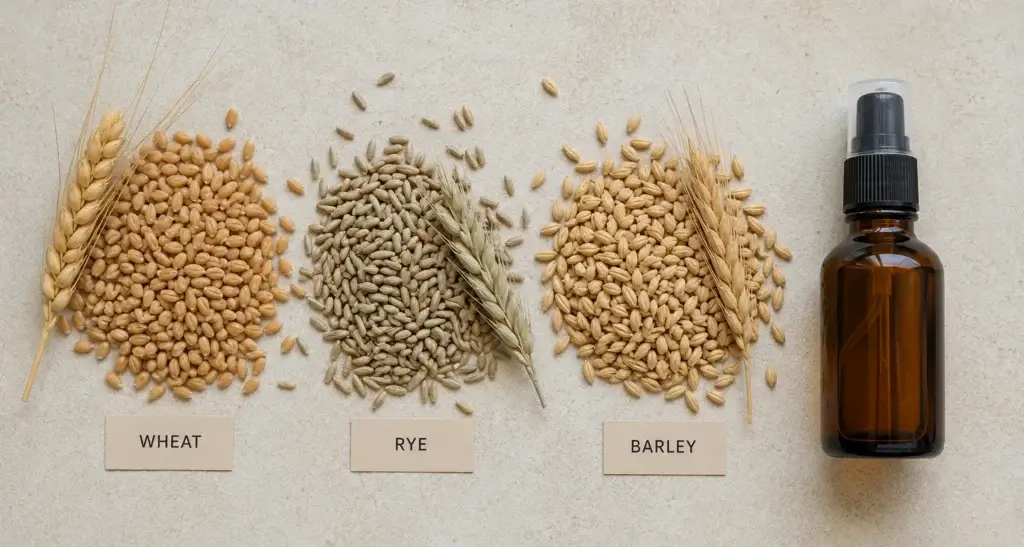
Azelaic acid is a dicarboxylic acid that forms naturally in grains like wheat, rye, and barley. Your skin even produces small amounts of it on its own. A yeast called Malassezia furfur creates it as a byproduct. Scientists later found that this same acid fights acne, calms rosacea, and brightens skin tone.
That finding turned a simple compound into one of dermatology’s most versatile tools. Today you can find azelaic acid in over the counter serums and creams at low strengths. Prescription versions, sold under brand names like Finacea and Azelex, contain higher concentrations for more stubborn cases.
What Does Azelaic Acid Do for Your Skin?
Azelaic acid works in several ways at once, which is rare for a single ingredient.
- First, it slows the growth of acne causing bacteria on your skin’s surface.
- Second, it calms inflammation, which is why redness and swelling drop so quickly.
- Third, it blocks an enzyme called tyrosinase that controls how much pigment your skin produces.
Less tyrosinase activity means fewer dark spots and a more even tone over time. MedlinePlus lists mild exfoliation among its effects too, since the acid helps clear dead skin cells from pores. Together, these actions explain why azelaic acid benefits so many different skin concerns at once. Few single ingredients target acne, redness, and pigmentation all in one step.
Azelaic Acid Benefits You Should Know
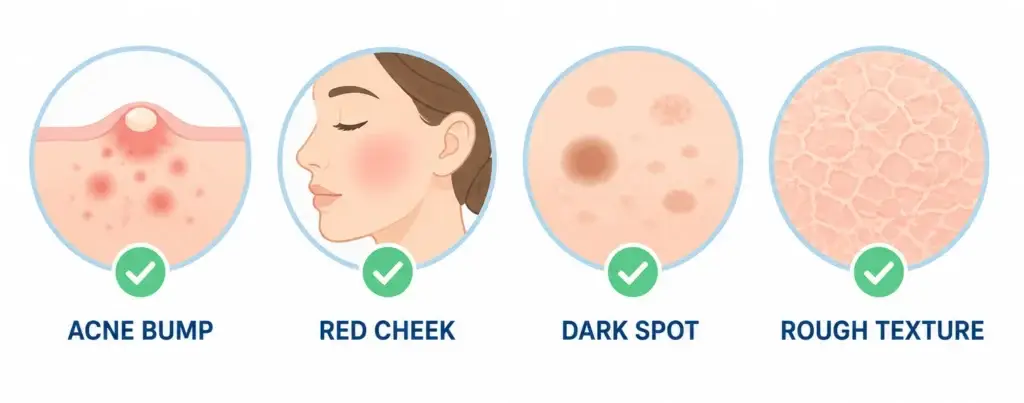
The list of azelaic acid benefits is longer than most people expect. Many dermatology patients start using it for one concern and then notice several others improve too. Here is what consistent use can do for your skin.
- Reduces active breakouts by limiting acne causing bacteria
- Calms redness and swelling linked to rosacea
- Fades dark spots from acne scars, sun exposure, or melasma
- Smooths rough texture through gentle exfoliation
- Protects skin cells from everyday free radical damage
These azelaic acid benefits build on each other. Calmer skin heals faster, and faster healing means less chance of new dark spots forming. That is part of why dermatologists often recommend it as a long term staple rather than a short fix.
Clearer Skin and Fewer Breakouts
Azelaic acid limits the bacteria that trigger acne while also reducing the buildup of dead skin cells inside pores. Fewer clogged pores mean fewer new pimples over time. Many people see a real drop in active breakouts within a few weeks of daily use.
Calmer, Less Red Skin
Rosacea affects more than 14 million people in the United States. Azelaic acid is one of the most studied options for calming it. A clinical study on azelaic acid 15% gel found it both effective and well tolerated for rosacea. Skin that once looked patchy and uneven often becomes noticeably calmer. Patchy redness can have several causes beyond rosacea, though. Understanding what triggers mottled skin helps before you assume a new product alone is the fix.
Fading Dark Spots and Uneven Tone
Dark spots from old acne, sun damage, or melasma can stick around long after the original cause clears up. Azelaic acid fades that discoloration by blocking the enzyme that produces excess pigment. Results build slowly, so patience matters here more than with redness or breakouts. Not every dark spot is harmless, though. Spots that change shape, color, or size are still worth a doctor’s look. This matters even while you treat the rest with azelaic acid.
Smoother Texture and Antioxidant Support
Mild exfoliation from azelaic acid clears away dull, rough patches on the skin’s surface. At the same time, its antioxidant properties help defend skin cells against everyday damage from sun and pollution. The result is skin that looks smoother and more refreshed, not just clearer.
Azelaic Acid Serum vs Gel vs Cream
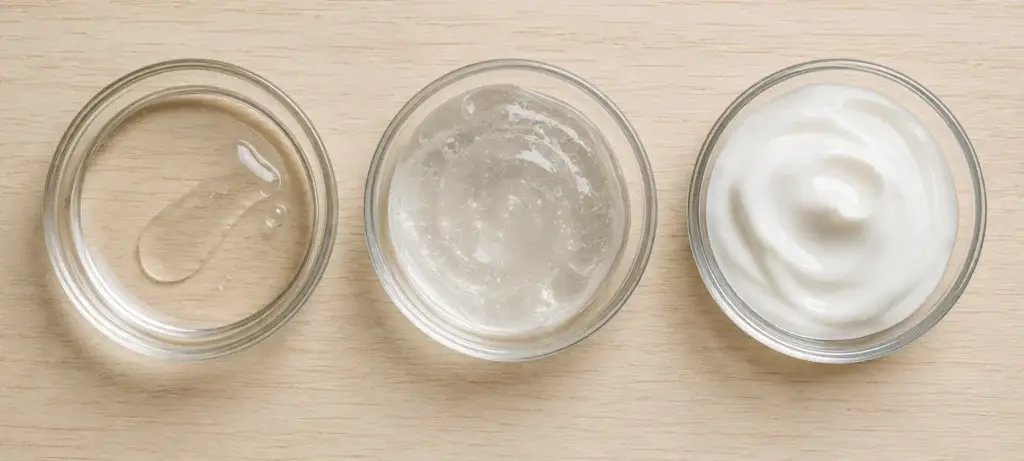
Azelaic acid comes in several forms, and the right one depends on your skin type and goals. An azelaic serum is the most popular pick, since it absorbs fast and layers easily with other products.
- Serum is lightweight and fast absorbing, a good fit for oily or combination skin that layers easily under moisturizer.
- Gel feels slightly stronger and is often used for rosacea, suited to skin that tolerates active ingredients well.
- Foam absorbs quickly and feels less greasy, a good pick for larger areas or oilier skin.
- Cream feels more hydrating and is often chosen by people with dry or sensitive skin.
Over the counter azelaic acid serum and cream products usually contain 10 percent or less of the active ingredient. Prescription strength options like Finacea and Azelex contain 15 to 20 percent. That means stronger results, but also a higher chance of irritation. Your dermatologist can recommend which strength matches your skin’s needs and your budget. Prescription formulas usually cost more out of pocket unless insurance covers them.
How Often Should You Use Azelaic Acid?
Most people should start slowly with azelaic acid, even though it is gentler than many other actives. Begin with once a day, either morning or night, for the first one to two weeks. After that, many people move up to twice a day if their skin tolerates it well. If you have sensitive skin, every other day is a safer starting point. Watch for stinging, peeling, or unusual redness during the first few weeks. Should irritation show up, drop back to a lower frequency until your skin adjusts. Once your skin builds tolerance, daily use is what delivers the most consistent azelaic acid benefits over time.
How Long Does Azelaic Acid Take to Work?
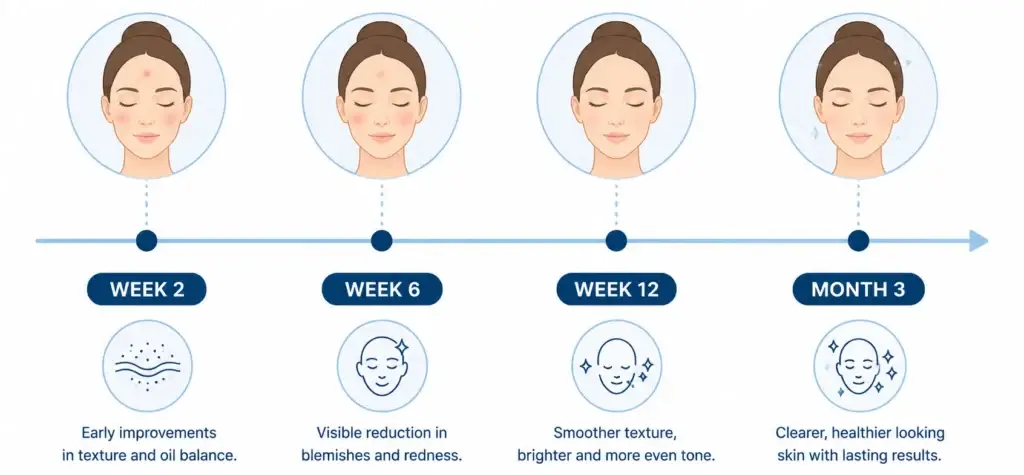
Patience pays off with azelaic acid, since results unfold in stages rather than overnight.
- Weeks 1 to 2 bring calmer skin, though visible changes are usually minimal.
- Weeks 4 to 6 often show smaller, less frequent breakouts.
- Weeks 8 to 12 is when dark spots and uneven tone start to fade noticeably.
- Three months and beyond is when full results appear for rosacea redness and stubborn pigmentation.
Sticking with your routine matters more than the strength you choose. Skipping days or switching products too soon is the most common reason people give up. Give azelaic acid enough time to actually work.
Azelaic Acid Compared to Other Popular Actives
Azelaic acid is not the only ingredient that targets acne, redness, or dark spots. Comparing it with other common actives helps explain when it works best. It also shows when pairing two ingredients together makes sense.
| Ingredient | Best For | Pregnancy Safe | Common Side Effects |
|---|---|---|---|
| Azelaic Acid | Acne, rosacea, dark spots | Yes | Mild stinging, dryness |
| Retinol | Fine lines, texture, acne | No | Peeling, sun sensitivity |
| Vitamin C | Brightening, antioxidant support | Yes | Mild irritation in some formulas |
| Niacinamide | Oil control, barrier support | Yes | Rarely irritating |
Azelaic acid pairs especially well with niacinamide, since both calm inflammation without competing for the same receptors. Retinol works differently. Dermatologists often suggest alternating nights between the two rather than applying them together. A routine built around azelaic acid benefits most skin types and skips the heavy irritation retinol can cause early on.
Possible Side Effects and Who Should Be Careful
Azelaic acid causes fewer side effects than many other active ingredients, but it is not completely risk free.
- Mild stinging or tingling right after application
- Temporary dryness or flaking, especially in the first two weeks
- Rare allergic reactions, including itching or hives
- A short purging phase as skin cell turnover speeds up
Most side effects fade once your skin adjusts to the new routine. Skin irritation can also show up in other areas of the body, not just the face. Knowing the difference between general irritation and something needing treatment helps too. Pregnant or breastfeeding individuals are often able to use azelaic acid. Mayo Clinic lists it among topical options considered low risk during pregnancy. Even so, check with your doctor before adding any new active ingredient while pregnant or nursing. Stop using azelaic acid and call your doctor if you notice swelling, blistering, or severe irritation that does not improve.
When to See a Doctor
Most people can manage mild acne, occasional redness, or minor dark spots with over the counter azelaic acid alone. Some signs, though, call for a dermatologist’s input instead of more time and patience.
- Redness, bumps, or visible blood vessels that keep spreading
- Acne that scars easily or does not improve after 12 weeks of consistent use
- A dark spot that changes shape, color, or size
- Severe stinging, swelling, or signs of an allergic reaction
- Skin pain along with fever, since this can signal infection
A board certified dermatologist can confirm what fits your skin best. That might be prescription strength azelaic acid, a different active, or a combination treatment. The same visit often covers other skin concerns worth asking about while you are there. Skin changes that look unusual deserve a second opinion, even when you suspect they are harmless.
Frequently Asked Questions
What is azelaic acid used for?
Azelaic acid treats acne, rosacea, and hyperpigmentation by reducing bacteria, calming inflammation, and fading dark spots. Dermatologists often recommend it for sensitive skin since it causes less irritation than many alternatives. Both over the counter and prescription versions are available depending on the strength your skin needs.
Can you use azelaic acid every day?
Yes, once your skin adjusts, daily use is common and often recommended for the best results. Most people start with once a day for the first couple of weeks before moving to twice daily. Sensitive skin may need every other day instead.
How long does azelaic acid take to work?
Calmer skin can appear within two weeks, while breakouts often shrink by week four to six. Dark spots and rosacea redness usually need 8 to 12 weeks for visible change. Full results can take three months or longer for stubborn pigmentation.
Is azelaic acid safe during pregnancy?
Azelaic acid is generally considered low risk during pregnancy, according to Mayo Clinic. Still, every pregnancy is different, so check with your doctor or OB before starting any new skincare active. This step matters even for ingredients considered generally safe.
Can you use azelaic acid with retinol or vitamin C?
Yes, though timing matters more than with gentler ingredients. Many dermatologists suggest using azelaic acid and vitamin C in the morning, then saving retinol for nighttime. Alternating azelaic acid and retinol on separate nights also works well for sensitive skin.
Does azelaic acid help with acne scars?
Azelaic acid fades the dark discoloration left behind by acne, though it does not change scar texture or depth. For textured or pitted scars, a dermatologist may suggest combining it with treatments like microneedling. Used consistently, it still fades red or brown marks faster than they would fade alone.