
What to Do After a Scorpion Sting and How to Treat It
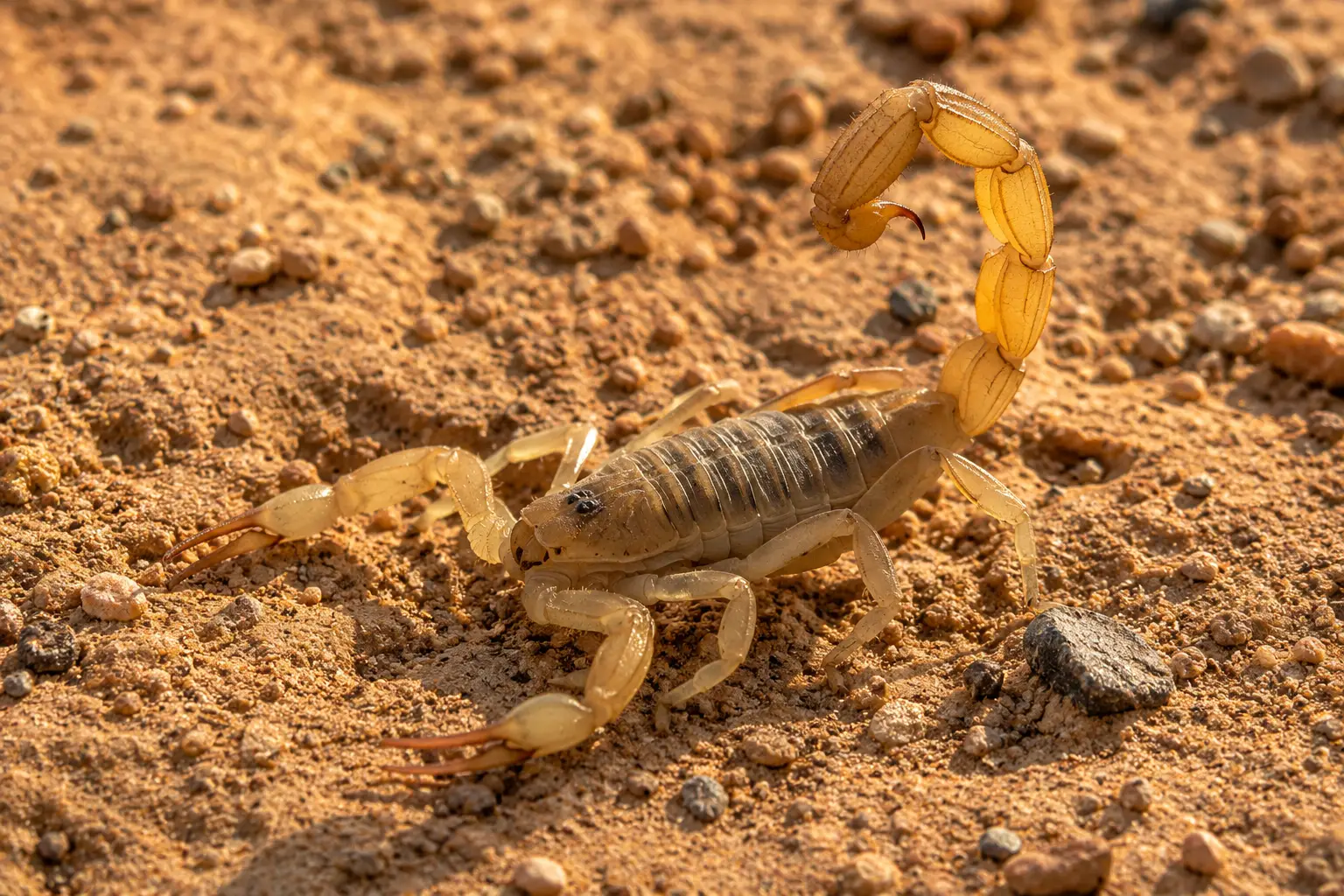
If you or someone near you gets stung, knowing what to do in those first few minutes makes a real difference. Scorpion stings affect thousands of Americans every year, particularly those living in the Southwest. Most stings are painful but manageable. However, some can cause serious scorpion sting symptoms that need emergency care fast.
What Is a Scorpion Sting
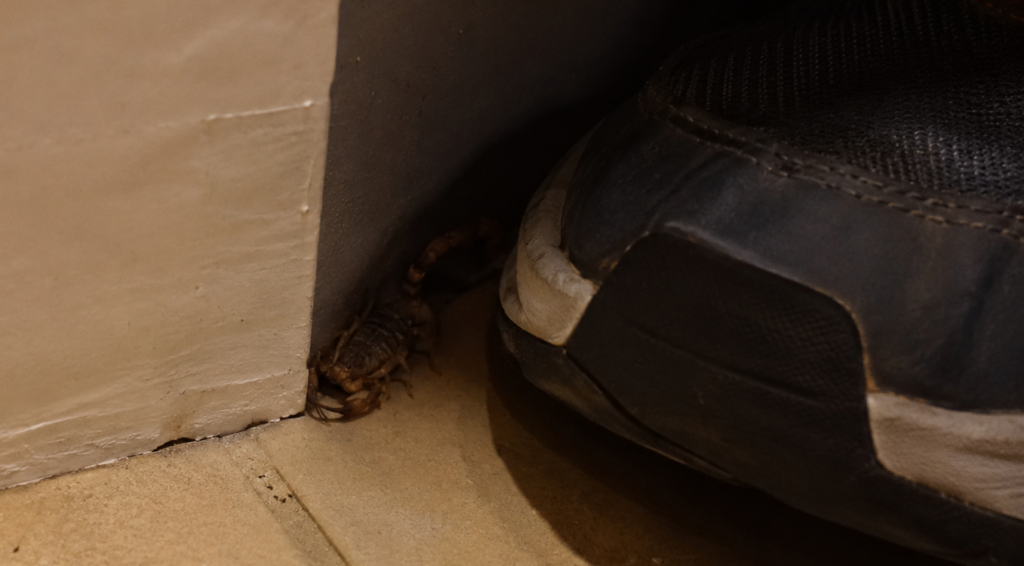
Scorpions are venomous arachnids found throughout the United States. They are most common in the Southwest, including Arizona, Nevada, New Mexico, Texas, and California. Scorpions do not seek out humans to sting. Instead, they sting when they feel threatened, usually when someone steps on them or reaches into a dark, tight space.
The Arizona bark scorpion is the most dangerous species in the US. It is the only scorpion in North America with venom strong enough to cause serious, body-wide complications. Research from the National Institutes of Health confirms that only about 25 scorpion species out of more than 2,500 worldwide carry venom that truly threatens human life.
Scorpion Sting Symptoms You Should Not Ignore
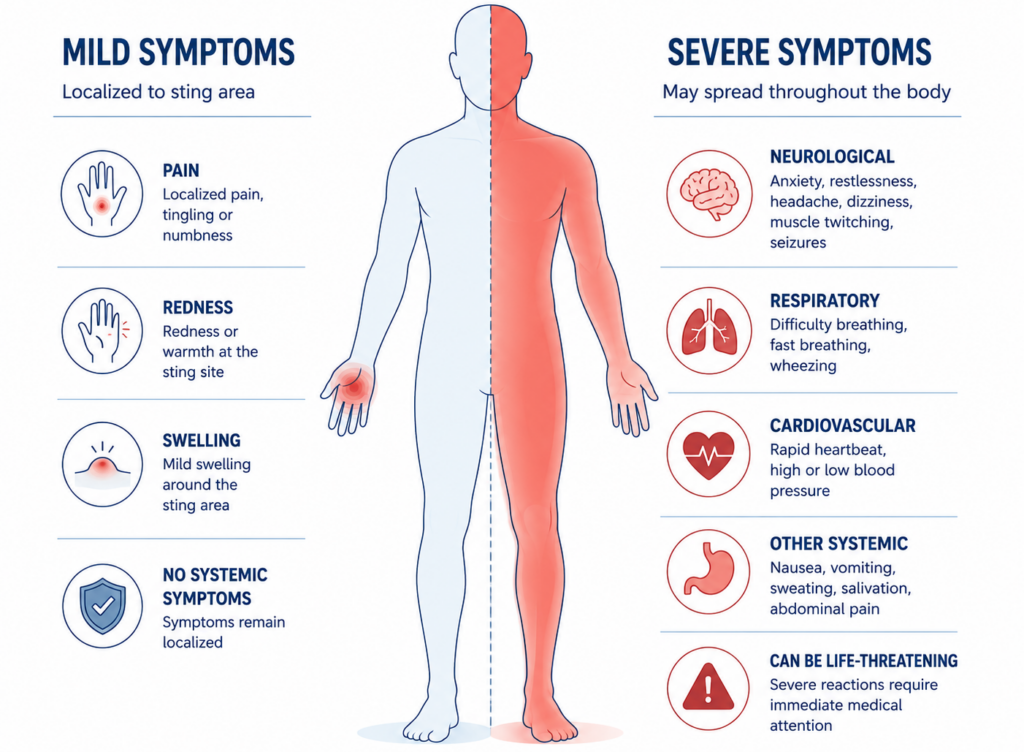
Symptoms after a scorpion sting range widely from mild to severe. Most healthy adults experience mild, localized scorpion bite symptoms that stay near the sting site. Still, severe reactions are possible, especially in young children and older adults.
Mild scorpion sting symptoms
- Sharp, burning pain directly at the sting site
- Redness or slight swelling around the area
- Numbness or tingling in the affected limb
- Mild itching near the sting
Severe scorpion sting symptoms
- Numbness spreading through the entire body
- Muscle twitching or uncontrolled limb movements
- Difficulty breathing or swallowing
- Blurred vision or unusual roving eye movements
- Slurred speech or sudden confusion
- Seizures
- Rapid or irregular heartbeat
- High blood pressure
- Heavy sweating or drooling
- Abdominal pain or vomiting
The Cleveland Clinic confirms that fewer than 10 percent of all scorpion stings lead to systemic symptoms. However, in young children, severe reactions can appear in as little as 14 minutes. Because of that, watch closely for at least four to six hours after any sting. A rapid or irregular heartbeat is one warning sign worth understanding more deeply. Our article on what causes an elevated heart rate explains what that symptom looks and feels like in practice.
Mild vs. Severe Scorpion Sting Symptoms at a Glance
| Symptom | Mild Sting | Severe Sting |
|---|---|---|
| Pain | Localized at sting site | Spreads through the body |
| Swelling | Minor, near sting site | Widespread |
| Numbness | Limited to sting area | Throughout the body |
| Breathing | Normal | Labored or difficult |
| Vision | Clear | Blurred or roving eyes |
| Heart rate | Normal | Rapid or irregular |
| Muscle control | Normal | Twitching or uncontrolled |
What to Do After a Scorpion Sting
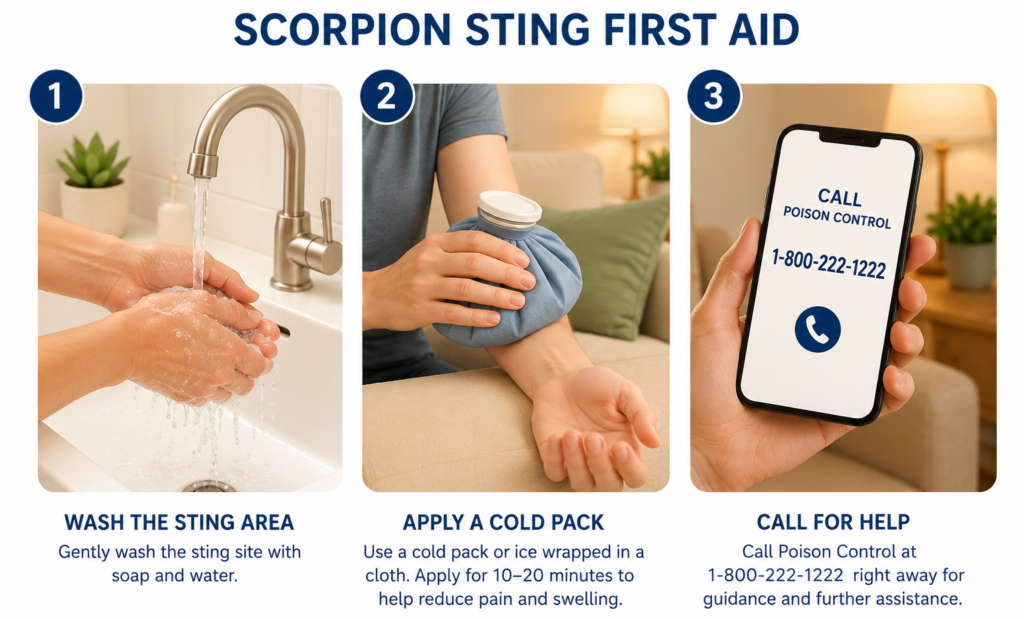
Fast, calm action after a scorpion sting gives you the best outcome. Follow these steps in order.
Step 1. Get yourself or the stung person away from the scorpion. First, move away from the area. Panic raises your heart rate and speeds circulation, so staying calm also helps.
Step 2. Call Poison Control immediately. The US Poison Control number is 1-800-222-1222. Their specialists walk you through what to do based on your specific symptoms. Call right away, especially if a child was stung.
Step 3. Clean the sting site. Gently wash the area with soap and water. This removes surface venom and lowers the risk of infection. If the site later develops increasing redness, warmth, or discharge, our article on signs of skin infection can help you decide whether to see a doctor.
Step 4. Apply a cold pack. Wrap ice in a cloth and place it on the sting site for 10 minutes. Then remove it for 10 minutes. Repeat for the first one to two hours. Never apply ice directly to bare skin.
Step 5. Elevate the stung area. Keep the affected arm or leg at roughly heart level. Elevation slows how fast scorpion poison travels through the body.
Step 6. Take a pain reliever if needed. Over the counter acetaminophen can ease discomfort. Follow the label instructions carefully for correct dosing.
Scorpion Sting Treatment at Home
For mild scorpion stings in healthy adults, home treatment is often all that is needed. Mild symptoms typically resolve within 24 to 72 hours, based on findings from the NIH StatPearls database.
What helps at home
- Cold compress applied in 10 minute cycles for the first two hours
- Acetaminophen for pain relief as directed on the label
- Rest with the affected limb elevated
- Keeping the sting site clean and dry
What to avoid
- Diphenhydramine (Benadryl) and other antihistamines can worsen scorpion sting symptoms by raising your heart rate and blood pressure. Avoid them.
- Do not cut the sting site or try to suck out the venom. Neither method removes scorpion poison, and both increase infection risk.
- Avoid applying heat to the area. Heat increases swelling and inflammation.
- Do not drink alcohol after a sting. Alcohol may intensify venom effects.
One fact many people do not know: most scorpion stings leave very little or no visible mark on the skin. So the absence of a wound does not mean the sting was mild. Always judge severity by how you feel, not how the site looks.
When a Scorpion Sting Needs Medical Care
Not every scorpion sting can be handled at home. Some situations call for emergency care right away. These situations require you to go to the ER without delay.
- The stung person is a child under five or an infant
- An older adult over 65 was stung
- Symptoms start spreading beyond the sting site within 30 minutes
- Breathing or swallowing becomes difficult
- Seizures occur
- Heart rate turns rapid or irregular
- Vision changes appear
- Muscle twitching or spasms begin
- The stung person is pregnant
At the hospital, severe bark scorpion stings may be treated with antivenom. Antivenom is only available in clinical settings and is used for the most serious cases. According to the Merck Manual, most patients improve quickly after antivenom is given for grade 3 or grade 4 envenomation.
How to Prevent a Scorpion Sting
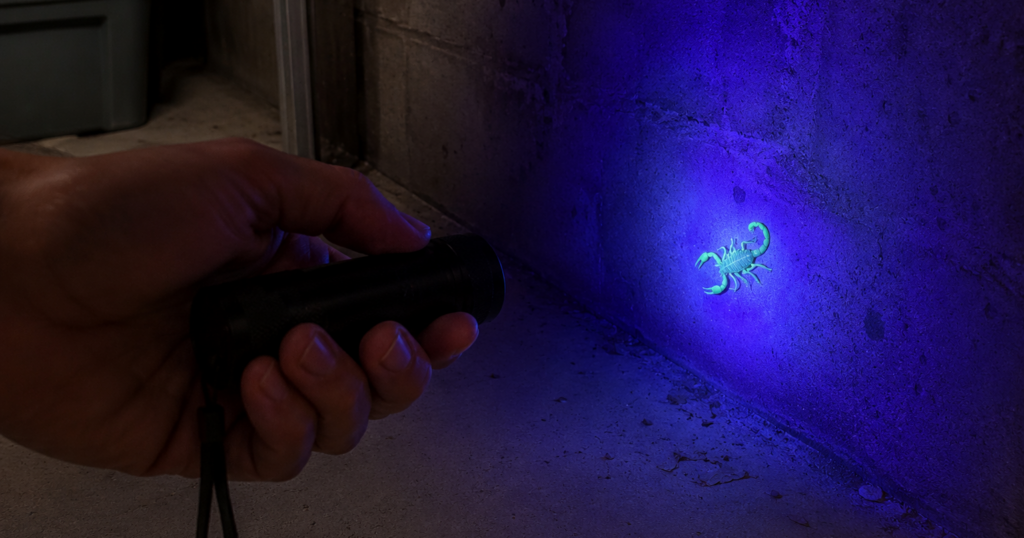
Prevention is the most reliable form of scorpion sting treatment. Most stings happen indoors, inside shoes, clothing, bedding, and dark corners.
Inside your home
- Seal cracks and gaps in walls, floors, and around plumbing
- Install door sweeps on all exterior doors
- Shake out shoes and clothing before putting them on, especially if they have been on the floor overnight
- Check bedding and towels before use
- Wear gloves when handling firewood, rocks, or garden materials
Outside your home
- Never reach into rock piles or under logs without looking first
- Wear closed toe shoes when walking outdoors at night
- Use a UV blacklight flashlight to spot scorpions before approaching them (scorpions glow bright green under UV light)
- Keep outdoor lights off when possible, since bright lights attract insects and insects attract scorpions
Cutting down the insect population near your home removes a key part of the scorpion food supply. Fewer insects means fewer reasons for scorpions to come close to your living space.
Frequently Asked Questions
Is a scorpion sting dangerous?
Most scorpion stings cause local pain and swelling but are not life threatening to healthy adults. The Arizona bark scorpion is the most dangerous species in the US. Young children, older adults, and people with weakened immune systems face the highest risk of serious complications. Research from the National Institutes of Health confirms no deaths from Arizona bark scorpion stings have been recorded in the US since 1968.
What are the first signs of a scorpion sting?
The first scorpion sting symptoms are usually immediate sharp pain and a strong burning sensation at the sting site. Numbness and tingling follow within minutes. If these sensations begin spreading rapidly beyond the sting site, that is a serious warning sign. Treat the situation as an emergency and get medical care right away.
How do you treat a scorpion sting at home?
Clean the site with soap and water, apply a cold compress in 10 minute cycles, and take acetaminophen for pain. Keep the area elevated and avoid antihistamines like Benadryl, since these can worsen scorpion sting symptoms by affecting blood pressure and heart rate. Always call Poison Control at 1-800-222-1222 before deciding to treat at home.
How long does scorpion poison last in the body?
Mild scorpion sting symptoms typically ease within 24 hours and clear up fully within 48 to 72 hours. Severe symptoms from a bark scorpion sting may last longer and often need medical treatment, including antivenom, to resolve safely. Children and older adults may take longer to recover.
What does a scorpion sting look like on the skin?
Many scorpion stings leave very little visible mark. You might notice faint redness or a tiny puncture point, but often there is nothing visible at all. Because the appearance can be deceiving, base your concern on your symptoms rather than on how the site looks. Pain and numbness matter more than visible marks.
Can you have an allergic reaction to a scorpion sting?
Yes, some people develop an allergic reaction to scorpion venom. Symptoms can include significant swelling, hives, dizziness, and difficulty breathing. This response is separate from the direct effects of scorpion poison and requires immediate emergency care. Tell your doctor about any prior history of allergic reactions to insect or arachnid stings.
Written by Theo James
The information on this page is for general educational purposes only and is not a substitute for professional medical advice, diagnosis, or treatment. Always talk with your doctor or another qualified healthcare provider about any questions you have regarding a medical condition. Never ignore professional medical advice or delay seeking it because of something you read on the internet.