
Cramps during pregnancy can catch you off guard, especially if you feel them out of nowhere.
Many people assume any ache low in the belly means something is wrong. The truth is more reassuring. Most cramping during pregnancy is a normal sign that your body is changing and your uterus is growing. We built this guide with current guidance from ACOG, Mayo Clinic, and the CDC. That way, you can tell an ordinary stretch from a symptom that needs a call to your doctor.
What Cramps During Pregnancy Feel Like
Cramping during pregnancy feels different for everyone. Some people notice a dull ache low in the belly. Others feel a quick pulling sensation on one side or mild tightness that comes and goes. Your body type and whether this is your first pregnancy can also change how strong a cramp feels.
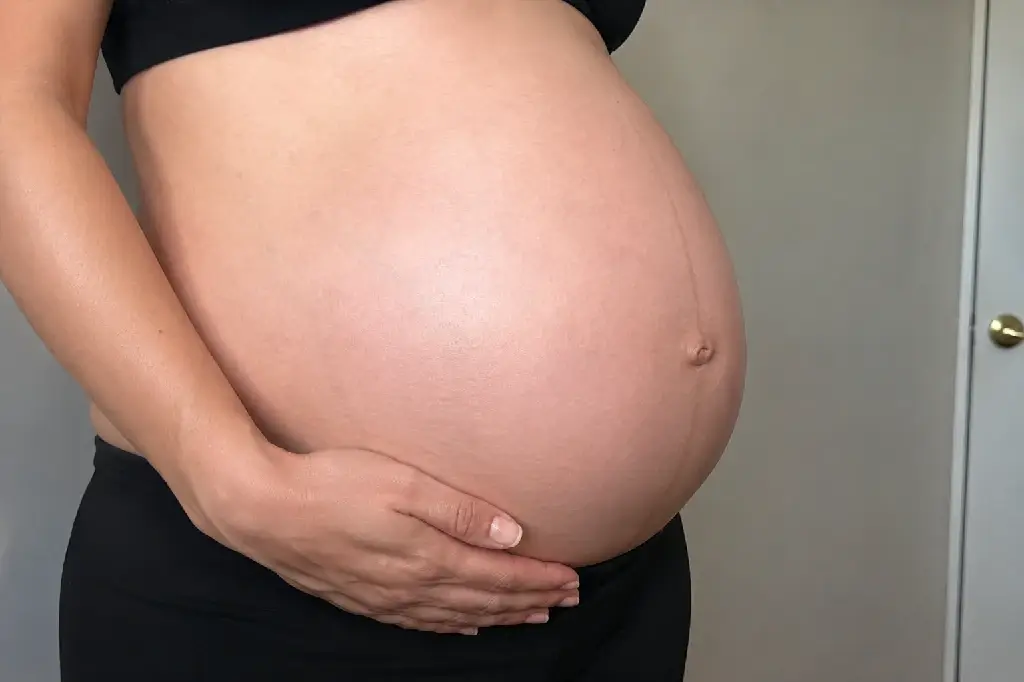
- A dull, period like ache in the lower belly
- A quick, sharp pull on one side of the abdomen
- A tight, squeezing feeling that fades within a minute
- Mild pressure low in the pelvis after standing too long
These feelings are usually mild and pass quickly. Pay attention to how often they happen and whether they grow stronger over time.
Is Cramping Normal in Early Pregnancy
Cramping in early pregnancy is common and is rarely a sign of trouble. Your uterus starts to stretch and grow within the first few weeks. This process alone can cause mild, short cramps.
First Trimester Cramps Explained
Is cramping normal in the first trimester? In most cases, yes. Early cramps often come from the fertilized egg attaching to the uterus wall. This is called implantation, and it can bring light spotting along with mild cramping. These early signs often show up alongside other early pregnancy symptoms, such as fatigue and breast tenderness. Light exercise like walking stays safe too and rarely causes lasting cramps on its own.
- Implantation as the embryo attaches to the uterus wall
- The uterus stretching to make room for early growth
- Gas, bloating, or constipation, which are common in pregnancy
- Mild cramping after sex or a pelvic exam
Period Like Cramps During Early Pregnancy vs Your Period
Period like cramps during early pregnancy can feel almost the same as your monthly cramps. People often mix up period cramps during pregnancy with regular period pain before a missed cycle even shows up. A few small clues can help you spot the difference. If spotting shows up with your cramps, that is worth a closer look. Our guide on implantation bleeding versus period blood can help you compare colors, timing, and flow.
| Feature | Period Cramps | Early Pregnancy Cramps |
|---|---|---|
| Timing | Start a day before or during your period | Can start about a week before your period is due |
| Intensity | Often more intense, can radiate to the back | Usually milder, feels like dull pressure |
| Pattern | Lasts through several days of your cycle | Comes and goes, does not linger for days |
| Other signs | Bloating, mood changes, breast soreness tied to your cycle | Fatigue, nausea, breast tenderness, missed period |
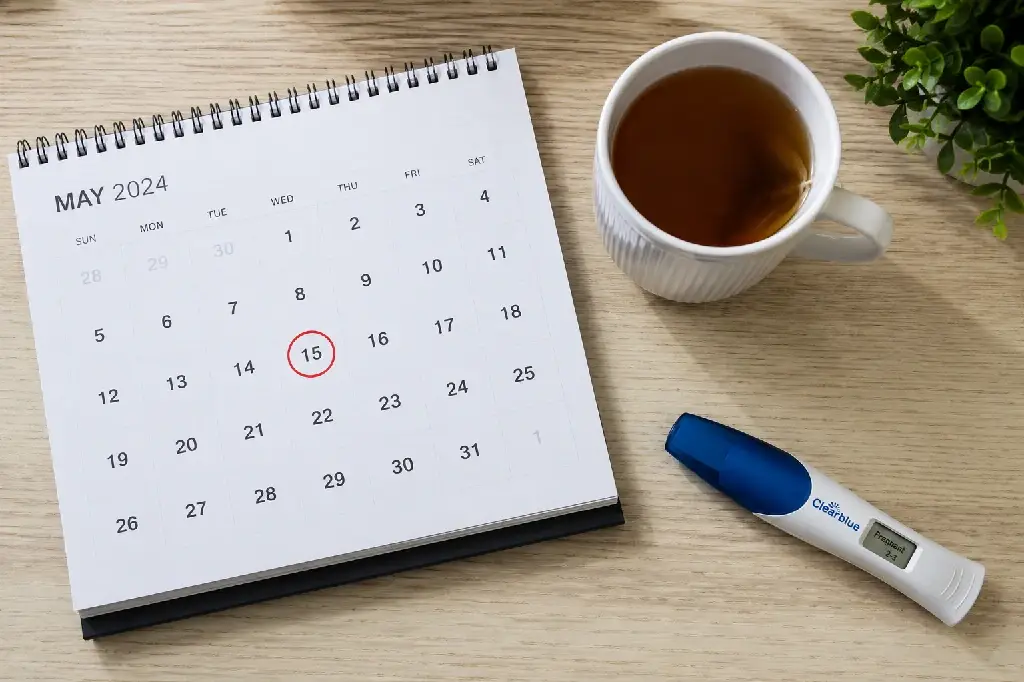
If your cramps show up with a positive pregnancy test, lean toward the early pregnancy explanation. If they arrive right on schedule with your usual flow, your period is the more likely cause.
Cramping While Pregnant by Trimester
Cramping while pregnant changes as your pregnancy moves forward. Each trimester brings a new reason for that familiar tug or ache, building on the early causes covered above.
Second Trimester, Round Ligament Pain
Round ligament pain is one of the most common causes of cramping in the second trimester. The round ligaments support your uterus, and they stretch fast as your belly grows. You may feel a sharp twinge on one side after you stand up quickly or roll over in bed. Cleveland Clinic notes that this pain often eases on its own within a few weeks as your body adjusts. Our full guide on round ligament pain during pregnancy walks through stretches and support tips that ease this ache.
Third Trimester, Braxton Hicks Contractions
Braxton Hicks contractions show up later in pregnancy as your uterus practices for labor. They feel like a tightening band across your belly that lasts for less than a minute. Unlike real labor, they fade when you change position or rest. Staying well hydrated tends to make these practice contractions less frequent. As you get closer to delivery, your body keeps preparing in other ways too. Our guide to perineal massage during pregnancy covers another helpful third trimester step.
- Braxton Hicks come and go with no set pattern
- True labor contractions grow closer together and stronger over time
- Braxton Hicks often stop with rest, water, or a position change
- True labor pain does not stop no matter what you try
Round ligament pain tends to strike on one side right after a sudden move. Braxton Hicks spread across your whole belly and last closer to a minute. If you are not sure which one you are feeling, both usually settle down with rest. Pain that will not ease either way still deserves a call to your provider.
What Causes Pregnancy Cramps That Need Attention
Most pregnancy cramps are harmless, but a few causes need quick care. Knowing the difference can protect you and your baby.
Ectopic pregnancy happens when the embryo implants outside the uterus. Mayo Clinic notes that this often causes sharp pain on one side of the belly. The bleeding may also look different from a normal period.
Miscarriage can also cause cramping that feels stronger than usual. ACOG describes heavier bleeding and clot like tissue alongside cramps as signs of an early pregnancy loss.
Preeclampsia is a blood pressure condition that shows up after 20 weeks. The CDC lists pain under the ribs, swelling, and headaches that will not go away as common warning signs.
Urinary tract infections are common during pregnancy and can cause cramping along with a burning feeling when you urinate. MedlinePlus advises prompt treatment to protect both you and your baby. Pregnancy also raises your risk for other infections. Our guide to infections during pregnancy covers signs worth watching beyond UTIs.
Placental abruption is rare, but it is serious. It happens when the placenta separates from the uterus wall too soon, often causing sudden, severe pain.
What Raises Your Risk of Cramping During Pregnancy
A few factors make cramping more likely or more noticeable. None of these mean something is wrong on their own. Each one simply helps explain why your experience may differ from a friend’s.
- Carrying twins or multiples, since the uterus stretches faster
- A history of ectopic pregnancy or pelvic surgery
- Not drinking enough water during the day
- Sitting or standing in one position for long stretches
- A full bladder, which can mimic cramping low in the pelvis
Is It Ok to Cramp While Pregnant
Is it ok to cramp while pregnant? In most cases, yes, mild cramping is a normal part of pregnancy. Pay closer attention when cramping comes with other symptoms. Most health plans, including Medicaid, cover routine prenatal visits where you can raise these questions at no extra cost.
- Heavy bleeding or passing clots
- Cramping that does not ease with rest or fluids
- Pain that stays on one side and gets worse
- Fever, chills, or pain when you urinate
- A severe headache, vision changes, or swelling in your face and hands
- Six or more contractions in an hour before 37 weeks
When to See a Doctor or Seek Emergency Care
Call your doctor today if any of these show up:
- New cramping paired with spotting or bleeding
- Cramping with a fever or burning during urination
- Cramping that worsens after rest instead of easing
Seek emergency care right away if any of these happen:
- Sudden, severe pain or pain that drops you to your knees
- Heavy bleeding that soaks through a pad in an hour
- Fainting, dizziness, or shoulder pain along with belly pain
- Six or more contractions an hour before 37 weeks, with pressure or fluid leaking
Trust your instincts here. You know your body, and your care team would rather see you for a false alarm than miss something serious.
Simple Ways to Relieve Cramps During Pregnancy
Most mild cramps respond well to simple care at home. Try a few of these steps the next time you feel that familiar tug.
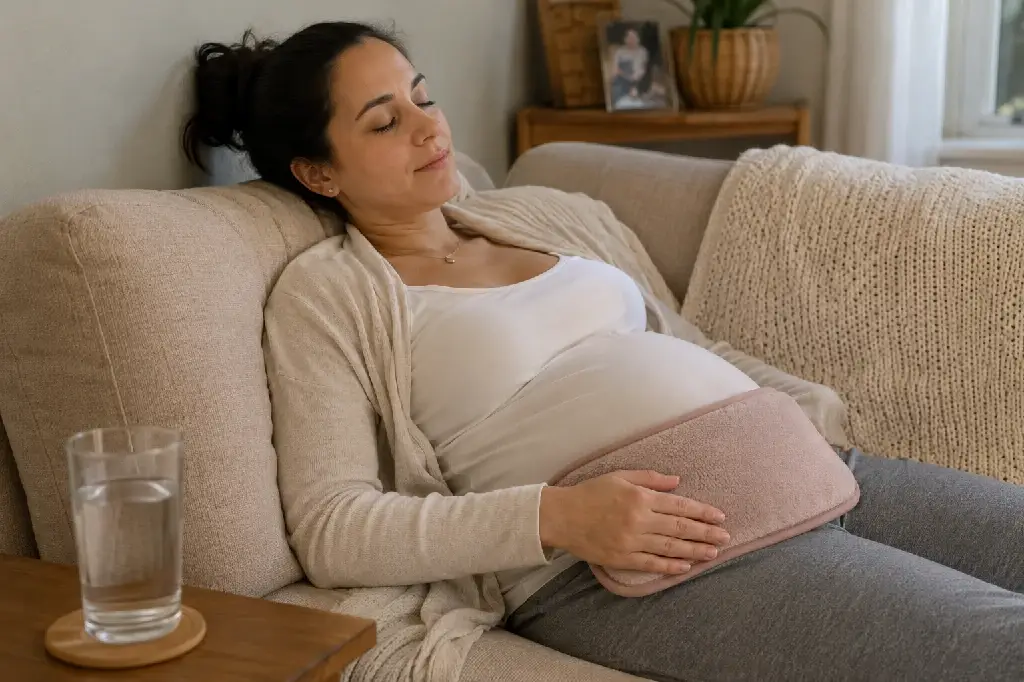
- Change positions or lie down on your left side
- Soak in a warm bath or use a heating pad on low
- Sip water throughout the day to stay ahead of dehydration
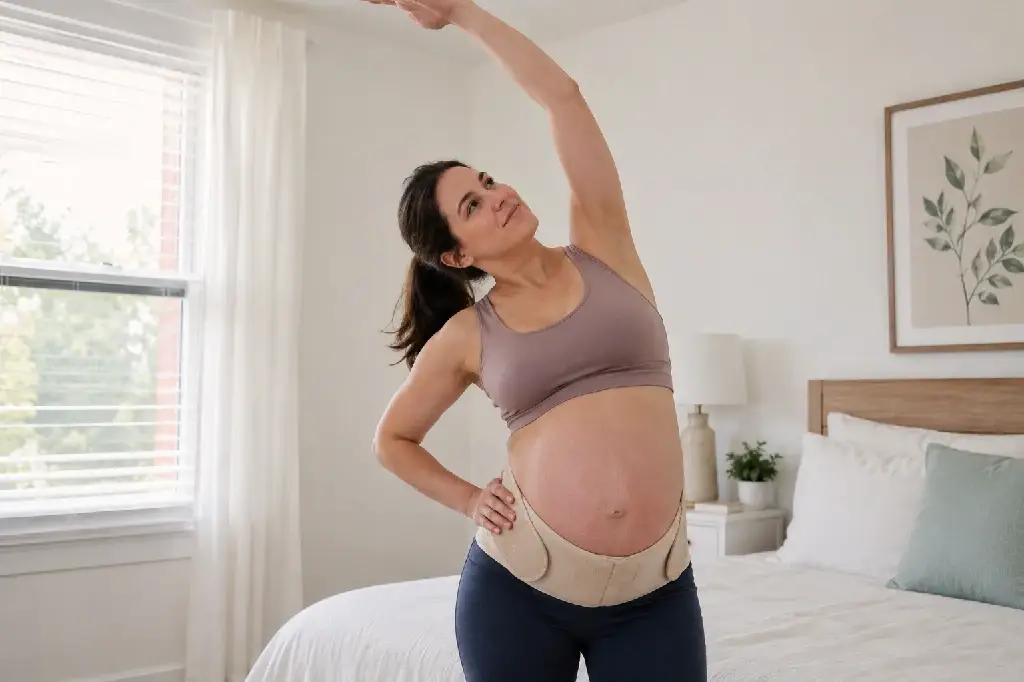
- Try gentle stretches or short walks to ease round ligament pain
- Wear a maternity support belt during long days on your feet
- Empty your bladder often to ease pelvic pressure
Cramps during pregnancy are common. Most of the time, they are simply a sign that your body is doing its job. Pay attention to the pattern, not just the feeling. Mild, occasional cramping that eases with rest is rarely a cause for worry. Sudden, severe, or one sided pain, heavy bleeding, or cramping with fever deserves a same day call to your doctor. When in doubt, reach out. Your care team is there to help you feel confident through every week of your pregnancy.
Frequently Asked Questions
Is cramping normal in early pregnancy?
Yes, mild cramping in early pregnancy is common and often comes from implantation or your uterus stretching. It should feel mild and pass within a few minutes. Cramping that is severe, one sided, or paired with heavy bleeding needs a call to your doctor.
Is it ok to cramp while pregnant?
Mild, occasional cramping is normal throughout pregnancy and usually is not a cause for concern. It becomes a concern when cramping is severe, constant, or comes with bleeding, fever, or fluid leaking. When that happens, call your doctor the same day.
How long do pregnancy cramps usually last?
Most pregnancy cramps last a few seconds to a couple of minutes and then fade on their own. Round ligament pain may flare briefly with movement, while Braxton Hicks can last up to a minute. Cramping that lingers for hours or grows worse needs medical attention.
Do period cramps feel different from early pregnancy cramps?
Period cramps tend to feel stronger and often radiate to your lower back. Early pregnancy cramps usually feel milder, like a dull pull low in the belly. They come and go rather than lasting for days.
When should I worry about cramping during pregnancy?
Worry when cramping is severe, stays on one side, or comes with bleeding, fever, dizziness, or shoulder pain. These signs can point to problems like ectopic pregnancy, miscarriage, or preeclampsia, and they need prompt medical care.
Can dehydration cause cramping during pregnancy?
Yes, pregnancy increases your fluid needs, and not drinking enough water can trigger cramping and even Braxton Hicks contractions. Drinking water throughout the day often eases this type of cramp within a short time.