
That muffled, clogged feeling after a swim or shower is hard to ignore. Water stuck in your ear canal does not just feel uncomfortable.
It can also raise your risk of infection the longer it sits there. Knowing how to get water out of your ear quickly and safely matters more than most people realize. Thankfully, most cases resolve with simple methods you can try right now.
Why Water Gets Stuck in Your Ear
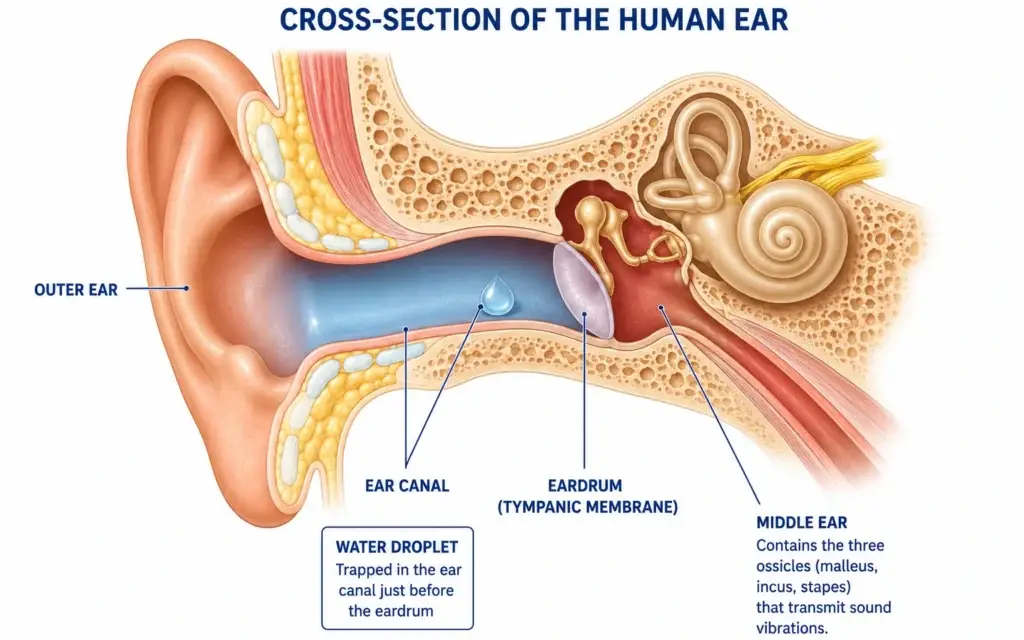
Your ear canal is a narrow, curved tube. It leads from the outer ear all the way to the eardrum. Water sometimes gets trapped in this space after swimming, bathing, or even washing your hair. Surface tension holds the water against the canal walls. This stops it from draining freely on its own.
People with narrow ear canals, extra earwax, or certain ear shapes are more likely to deal with this problem. Your natural earwax also normally acts as a barrier and helps push moisture out. When water overcomes that barrier, you feel the familiar fullness and muffled hearing.
Outer Ear Water vs. Middle Ear Fluid at a Glance
| Feature | Water in the Outer Ear | Fluid in the Middle Ear |
|---|---|---|
| Where it sits | Inside the ear canal | Behind the eardrum |
| Common causes | Swimming, bathing, rain | Colds, allergies, sinus issues |
| How it feels | Wet, muffled, clogged | Deep pressure, dull fullness |
| Home drainage possible | Yes | Only indirectly |
| Pain when tugging the outer ear | Rarely | No |
| When to see a doctor | Stuck more than 3 days | Lasting more than 7 days |
How to Get Water Out of Your Ear at Home
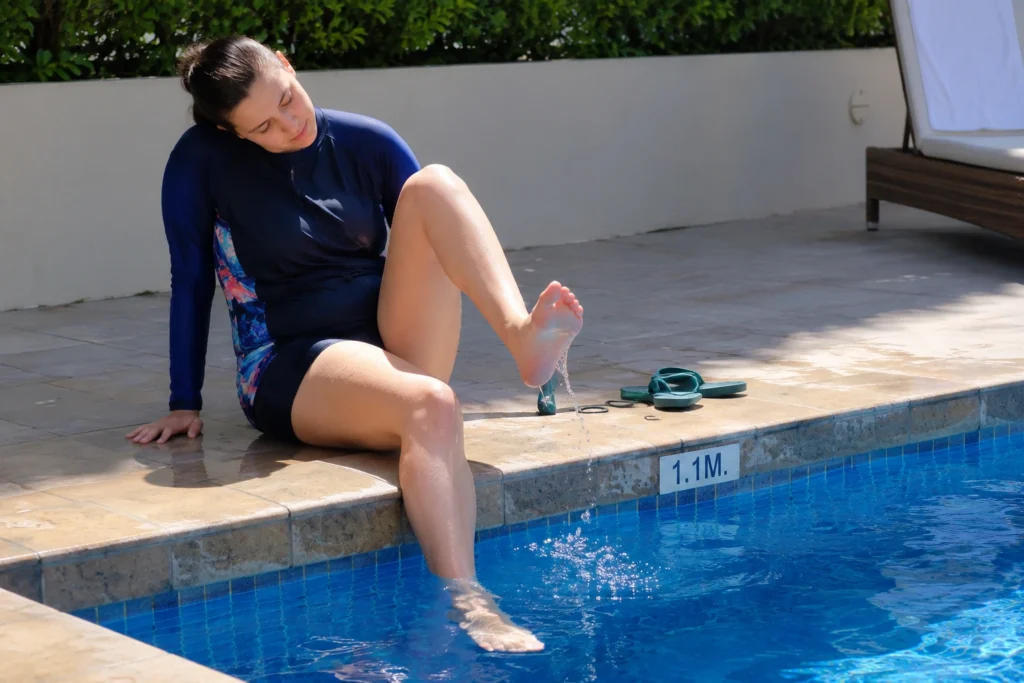
Most water in ear remedies require nothing more than gravity, warmth, or a few simple household items. Try each method one at a time. Give it about a minute before moving on to the next.
Gravity and Head Tilt
Tilt your head so the affected ear faces the ground. Gently tug your earlobe downward while holding that position. Gravity will often pull the water out on its own. You can also hop gently on one foot to help shift the water loose. Stay in position for about 30 seconds before trying something else.
Jaw Movements
Chewing gum, yawning, or opening your mouth wide can move the fluid in your ear canal. These movements shift the shape of the canal walls and release tension in the surrounding tissue. Try this immediately after the head tilt for better results.
Warm Compress
A warm, damp cloth pressed against the outer ear helps relax the muscles around the canal. This encourages the water to drain more naturally. Hold the compress against your ear for about 30 seconds. Remove it briefly, then reapply. Repeat this four or five times in a row.
Homemade Drying Drops
Mix equal parts white vinegar and rubbing alcohol in a small bowl. The alcohol helps water evaporate faster. The vinegar also creates a mildly acidic environment that slows bacterial growth. Tilt your head and place two or three drops into the affected ear. Let it sit for 30 seconds before draining. Do not use this mixture if you have a perforated eardrum or ear tubes.
Hairdryer on Low Heat
Set your hairdryer to the lowest heat and fan setting. Hold it at least 12 inches from your ear. Move it gently back and forth near the ear canal opening. The warm airflow helps evaporate trapped water within a few minutes.
How to Drain Fluid from the Middle Ear at Home
Water in the outer ear and fluid in the middle ear are two separate problems. The middle ear sits behind the eardrum. You cannot drain it directly from the outside.
According to MedlinePlus, fluid behind the eardrum without infection is called otitis media with effusion. It develops when the Eustachian tube becomes blocked or swollen. This tube connects your middle ear to the back of your throat. Congestion from a cold or allergies often causes the Eustachian tube to swell shut.
Sinus congestion and Eustachian tube discomfort often occur together. Our guide on how to relieve sinus pressure covers techniques that may ease both issues at once.
These methods can help open the Eustachian tube and encourage middle ear fluid to move:
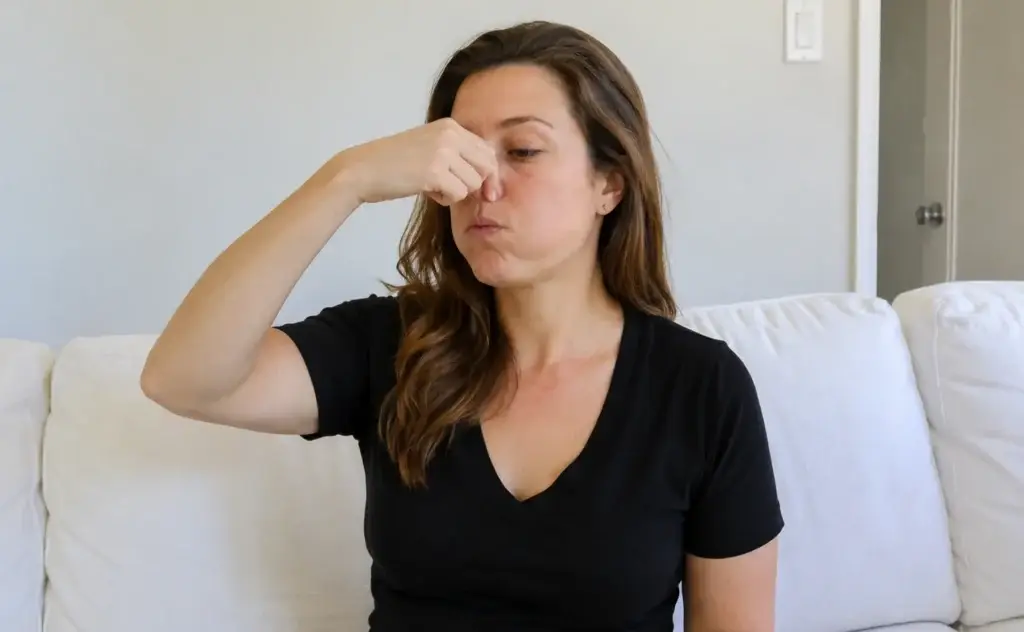
- Valsalva maneuver. Pinch your nose shut and close your mouth. Blow gently as if blowing your nose. Use only light pressure to protect the eardrum.
- Yawning or swallowing. Both actions stretch the Eustachian tube and help trapped fluid shift naturally.
- Steam inhalation. Breathe warm steam for five to ten minutes. This loosens fluid and reduces swelling in the tube.
- Warm compress on the jaw. Applying warmth near the jaw relaxes the muscles around the Eustachian tube opening.
Signs of Swimmer’s Ear You Should Not Ignore
Water stuck in your ear for days raises your risk of swimmer’s ear. This is a bacterial infection of the outer ear canal. It differs from a middle ear infection and can develop surprisingly fast. About 10 percent of Americans will experience swimmer’s ear at some point in their lives, according to the Cleveland Clinic. The CDC also identifies it as one of the most common infections linked to prolonged water exposure.
Common signs to watch for include:
- Itching inside the ear canal
- Pain when you tug or press on the outer ear
- A feeling of fullness or blockage
- Drainage or discharge coming from the ear
- Muffled or reduced hearing
- Redness or swelling around the outer ear
Swimmer’s ear usually starts mild. But it can worsen quickly without treatment. A doctor will typically prescribe antibiotic ear drops, which clear the infection within about a week. Since excess or hardened earwax can trap water more easily and raise infection risk, it is also worth reading about foods that contribute to earwax buildup.
What You Should Never Do to Get Water Out of Your Ear
Some approaches seem like quick fixes but cause more harm than good. Avoid these:
- Cotton swabs or Q-tips. These push wax and water deeper into the canal. They can also scratch the delicate skin inside and create openings where bacteria enter.
- Fingers or small objects. Never dig into your ear manually. You risk damaging the canal or the eardrum.
- Homemade drops if you have ear tubes. The vinegar and alcohol mixture is safe for healthy ears only. It is not appropriate if you have a perforated eardrum, ear tubes, or active ear pain.
- Excessive force. Blowing hard into the ear or pressing forcefully on it can damage the eardrum.
How to Prevent Water from Getting Stuck

Prevention is always easier than reaching for a water in ear remedy after the fact. A few simple habits will reduce how often this happens:
- Wear silicone earplugs or a swim cap during every swim session.
- After swimming, tilt your head to each side and let gravity drain the water.
- Dry your outer ear gently with a soft towel after any water exposure.
- Avoid swimming in water where quality is poor, since contaminated water raises infection risk.
- Ask your doctor about over the counter ear drying drops if you swim often.
Colds and seasonal allergies can also lead to Eustachian tube problems and ear fullness. Not sure if your symptoms are from water or from allergies? Our article on the difference between a cold and allergies can help you sort it out.
When to See a Doctor
Most cases of water in the ear clear up within one to two days. Some situations do call for professional care.
See a doctor if you notice any of these:
- Pain or discomfort that gets worse over 24 to 48 hours
- Discharge or fluid draining from the ear
- Noticeable hearing loss that does not improve
- Water stuck in your ear for more than three days
- Fever alongside ear pain
- A known history of eardrum perforation or ear tubes
A doctor can safely assess the ear and check for signs of infection. They may also prescribe antibiotic ear drops if swimmer’s ear has developed. Mayo Clinic confirms that swimmer’s ear treated promptly with prescription drops typically clears within seven to ten days.
Frequently Asked Questions
How long does water in the ear normally last?
Water in the outer ear usually drains within a few hours. If it stays for more than one to two days, the methods above can help. Water that lingers for more than three days raises the risk of infection and warrants a visit to your doctor.
What is the fastest way to get water out of your ear?
The gravity and head tilt method is often the fastest option. Tilt the affected ear toward the ground, tug your earlobe gently, and hop on one foot. Many people feel the water shift and drain within seconds using this simple approach.
Is it safe to put rubbing alcohol in your ear?
A diluted mixture of rubbing alcohol and white vinegar is generally safe for healthy ears. Do not use it if you have ear tubes, a perforated eardrum, or any active ear pain. Always check with your doctor first if you have any concerns about your ear health.
Can water in your ear cause hearing loss?
Trapped water can cause temporary muffled hearing. This usually clears once the water drains. Permanent hearing loss from water alone is rare. However, if an untreated infection develops, it can affect hearing more seriously over time.
How do you know if water is in your middle ear?
Middle ear fluid often feels different from outer ear water. It tends to create a deeper sense of pressure or fullness behind the eardrum. You may also notice muffled hearing and mild discomfort, but no pain when you tug the outer ear. A doctor can confirm this with a simple ear exam.
What should you do for swimmer’s ear at home?
Swimmer’s ear is a bacterial infection that needs antibiotic ear drops from a doctor. At home, you can apply a warm compress to the outer ear to ease discomfort. Avoid getting more water into the ear while you wait to be seen. Never insert anything into the canal to try to drain it yourself.