
That tight, heavy feeling across your nose and forehead is impossible to ignore. Whether it strikes after a cold or during allergy season, sinus pressure makes daily life exhausting.
Knowing how to relieve sinus pressure at home is genuinely worth learning. According to the CDC, nearly 29 million American adults deal with sinusitis each year. The good news is that most cases improve with simple, safe care you can start right now.
What Causes Sinus Pressure
Your sinuses are hollow spaces behind your cheeks, nose, and forehead. When they get inflamed, fluid builds up inside them. That buildup creates the painful pressure and heaviness you feel across your face.
Common triggers include:
- Viral infections like the common cold or flu
- Seasonal allergies from pollen, dust, or pet dander
- Dry indoor air that irritates nasal tissue
- Bacterial infections that develop after a cold
- Structural issues like nasal polyps or a deviated septum
Understanding your trigger helps you choose the right remedy. If you are not sure whether your symptoms come from a cold or allergies, our guide on telling a cold apart from allergies can help you narrow it down.
Home Remedies to Relieve Sinus Pressure
Many people want to know how to relieve sinus pressure without needing a prescription. Fortunately, several simple options work well for most adults. These are evidence based and safe to try at home.
Steam Inhalation
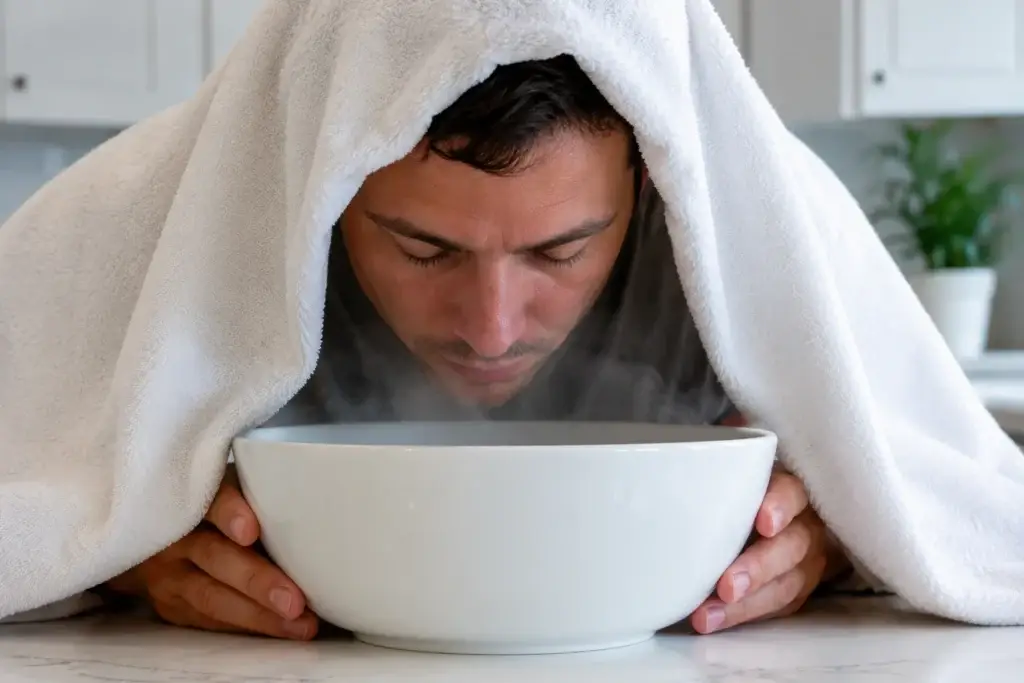
Steam is one of the fastest ways to open up blocked nasal passages. Take a hot shower and breathe slowly for 10 to 15 minutes. You can also lean over a bowl of hot water with a towel draped over your head. The warm, moist air loosens thick mucus and eases sinus pressure quickly. Always keep your face at a safe distance from the water to prevent burns.
Warm Compress
Place a warm, damp cloth across your forehead, nose, and cheeks. Hold it there for about 10 to 15 minutes at a time. The heat helps your nasal passages relax and allows mucus to drain. Repeat this two or three times each day for noticeable relief.
Saline Nasal Rinse
A saline rinse flushes out mucus, allergens, and irritants from your nasal passages directly. Research from the NIH National Library of Medicine confirms that saline nasal irrigation is a safe, effective approach for treating and preventing sinusitis. Always use distilled, sterile, or previously boiled and cooled water for rinsing. Never use plain tap water, as it can carry harmful organisms into your sinuses.
Elevate Your Head While Sleeping
Sleeping flat allows mucus to pool inside your sinuses overnight. Adding an extra pillow helps mucus drain naturally while you rest. This small adjustment often makes a noticeable difference in morning pressure. For more on how sleep positioning affects upper airway health, read our article on the best sleep position for sleep apnea.
Stay Hydrated Throughout the Day
Drinking water regularly helps thin out thick, sticky mucus. Thinner mucus drains far more easily and reduces painful sinus buildup. Warm fluids like herbal tea or broth are especially useful because they also release gentle steam. Aim for at least eight glasses of water daily when dealing with sinus pressure.
Sinusitis Natural Treatment with Herbal Remedies
Beyond basic home care, certain herbal options can support your recovery. Adding these to your routine creates a more complete sinusitis natural treatment plan.
Ginger Tea for Post Nasal Drip
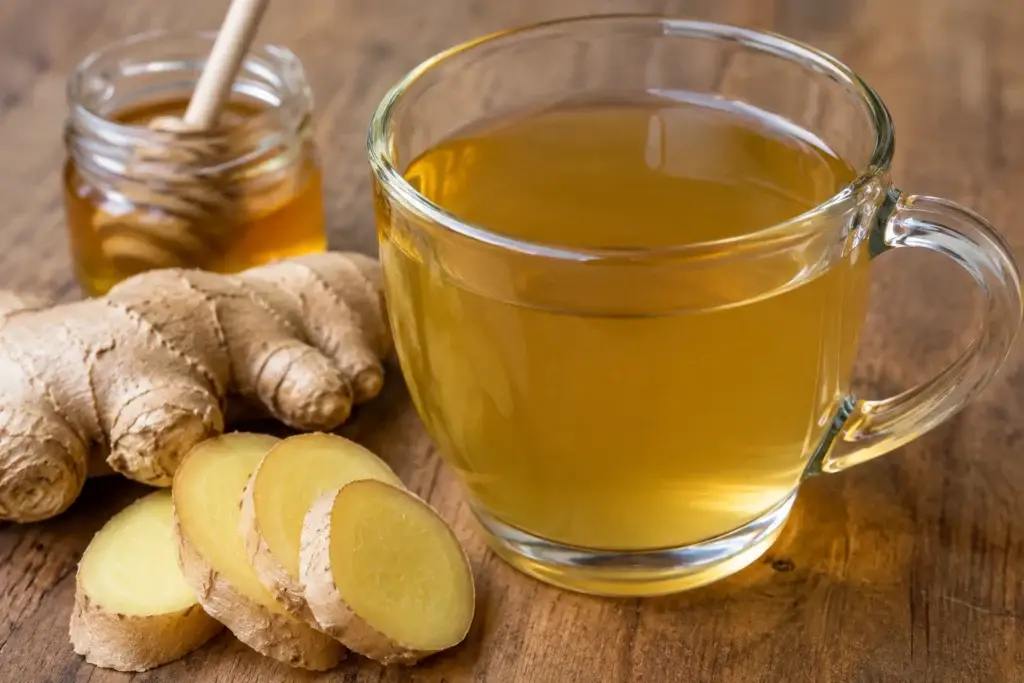
Ginger tea is one of the most popular home remedies for post nasal drip and a stuffy nose. It contains natural compounds that reduce swelling in nasal tissue and help thin mucus. A review published in the International Journal of Preventive Medicine found that ginger extracts significantly lower inflammation markers in the body. To prepare it, steep fresh ginger slices in hot water for about 10 minutes. Then drink it slowly while breathing in the rising steam. Many people find that ginger tea for post nasal drip brings real comfort at night. If you also have a cold alongside your sinus symptoms, our article on home remedies for a cold during pregnancy covers safe options for managing illness at home.
Essential Oils for Congestion
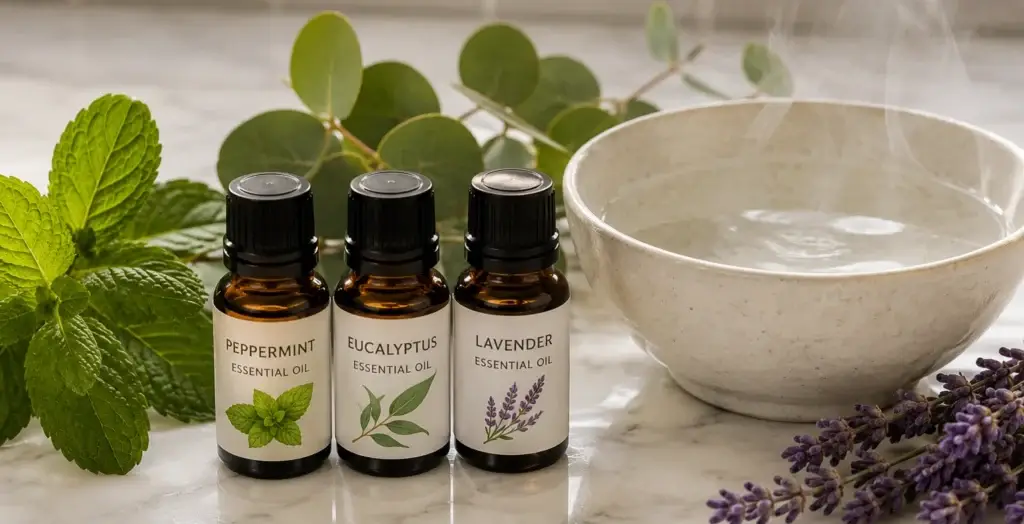
Essential oils for congestion can be a helpful part of your sinus relief routine when used correctly. Peppermint oil contains menthol, a natural compound that opens blocked nasal passages. Add a few drops to a bowl of hot water and inhale the steam carefully. Eucalyptus oil works in a similar way and has been studied for its effects on nasal swelling. Lavender oil is also useful, particularly at night, because it reduces inflammation and supports better sleep. Always dilute essential oils before any skin contact. Never place them directly inside the nose. The Cleveland Clinic notes that warm, moist air is one of the most reliable tools for sinus pressure relief, and essential oils can enhance that benefit safely.
What to Take for a Runny Nose
A runny nose often comes with sinus pressure. Knowing what to take for a runny nose helps you pick the right option for your situation.
| Option | How It Works | Best For |
|---|---|---|
| Antihistamine | Blocks histamine to reduce allergy symptoms | Allergy related runny nose |
| Decongestant | Shrinks swollen nasal tissue to improve airflow | Congestion and sinus pressure |
| Saline nasal spray | Moisturizes and flushes the nasal passages | General stuffiness and dryness |
| Ibuprofen or acetaminophen | Reduces facial pain and inflammation | Sinus headache and pressure |
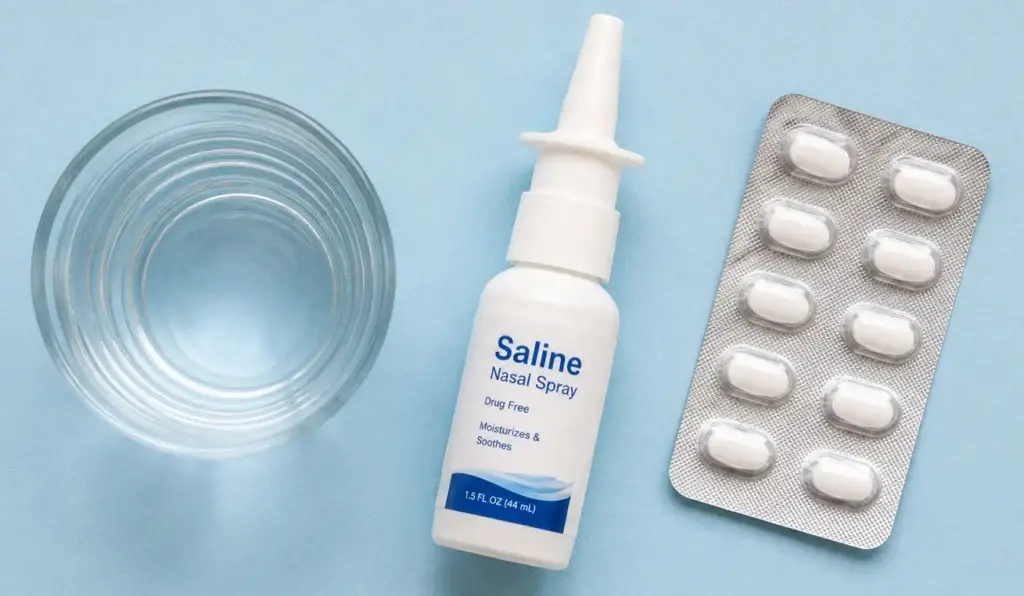
Do not use decongestant nasal sprays for more than three consecutive days. Using them longer leads to rebound congestion, a condition where your nose becomes even more stuffed as the medication wears off. If your runny nose comes with fever and body aches, our breakdown of can help you figure out what you are dealing with.
Home Remedies for Post Nasal Drip
Post nasal drip happens when excess mucus from your sinuses drips down the back of your throat. It often causes a persistent cough, throat soreness, and the constant need to clear your throat. Many people notice it most in the morning. Read our article on why your throat hurts when you wake up to understand the connection more clearly.
Effective home remedies for post nasal drip include:
- Ginger tea to reduce nasal inflammation and thin out mucus
- Warm honey water to soothe irritated throat tissue directly
- Saline nasal rinse to flush out mucus before it drips down your throat
- Staying upright for an hour after eating to reduce overnight mucus pooling
- A cool mist humidifier to keep bedroom air moist and prevent thick mucus buildup
These options address the root cause rather than just covering up the symptoms. Together, they form a solid remedy for stuffy nose conditions driven by post nasal drip.
When to See a Doctor
Home care works well for most cases of sinus pressure. However, certain symptoms need a doctor’s attention. Reach out to your provider if you notice any of the following:
- Symptoms lasting more than 10 days without any improvement
- Fever above 102°F
- Severe pain or swelling around the eyes
- Any changes in vision alongside sinus symptoms
- A stiff neck paired with facial pressure
- Symptoms that improve and then suddenly come back worse
The CDC advises that most sinus infections are viral and do not require antibiotics. Yet if symptoms worsen after initially getting better, a bacterial infection may be involved. In that case, your doctor can evaluate you and decide whether a prescription is appropriate.
Knowing how to relieve sinus pressure is a useful skill for managing minor flares at home. Most people recover within 7 to 10 days with consistent home care. Stay hydrated, use steam daily, rinse with saline, and reach for ginger tea when symptoms flare. If things do not improve or get worse, your healthcare provider is the right next step.
Frequently Asked Questions
How long does sinus pressure usually last?
Most sinus pressure from a viral infection lasts between 7 and 10 days. Allergy related sinus pressure can last longer depending on exposure to your specific triggers. If your symptoms go beyond 10 days without improving, or keep getting worse, it is a good idea to see a doctor.
What is the fastest way to relieve a stuffy nose at home?
Steam inhalation is one of the fastest home remedies for a stuffy nose. Breathing warm steam from a hot shower or a bowl of hot water opens nasal passages within minutes. A saline nasal spray also works quickly and is safe for daily use without causing dependency.
Can ginger tea really help with post nasal drip?
Yes, ginger tea can genuinely support relief from post nasal drip. Ginger contains natural anti-inflammatory compounds that reduce nasal swelling and help thin mucus. Drinking it warm also delivers gentle steam, which further opens your nasal passages and provides additional comfort.
Are essential oils safe to use for sinus congestion?
Essential oils like peppermint and eucalyptus are safe for sinus congestion when you use them properly. Add a few drops to a bowl of hot water and breathe in the steam slowly. Never apply them directly inside the nose, and always dilute before any direct skin contact.
What is the difference between sinus pressure and a sinus infection?
Sinus pressure is the physical symptom you feel, which is fullness and pain in your face. A sinus infection, also called sinusitis, is the underlying cause of that pressure. Most sinus infections are viral and resolve on their own. Bacterial sinusitis is less common but may need medical treatment if symptoms are severe or persistent.
How does drinking water help relieve sinus pressure?
Water helps thin the mucus inside your sinuses throughout the day. Thinner mucus drains more easily, which reduces the buildup that creates pressure and facial pain. Warm fluids like herbal tea or broth are especially effective during a sinus flare because they also provide soothing steam.