
Can You Sleep With Contacts In? Eye Risks Explained
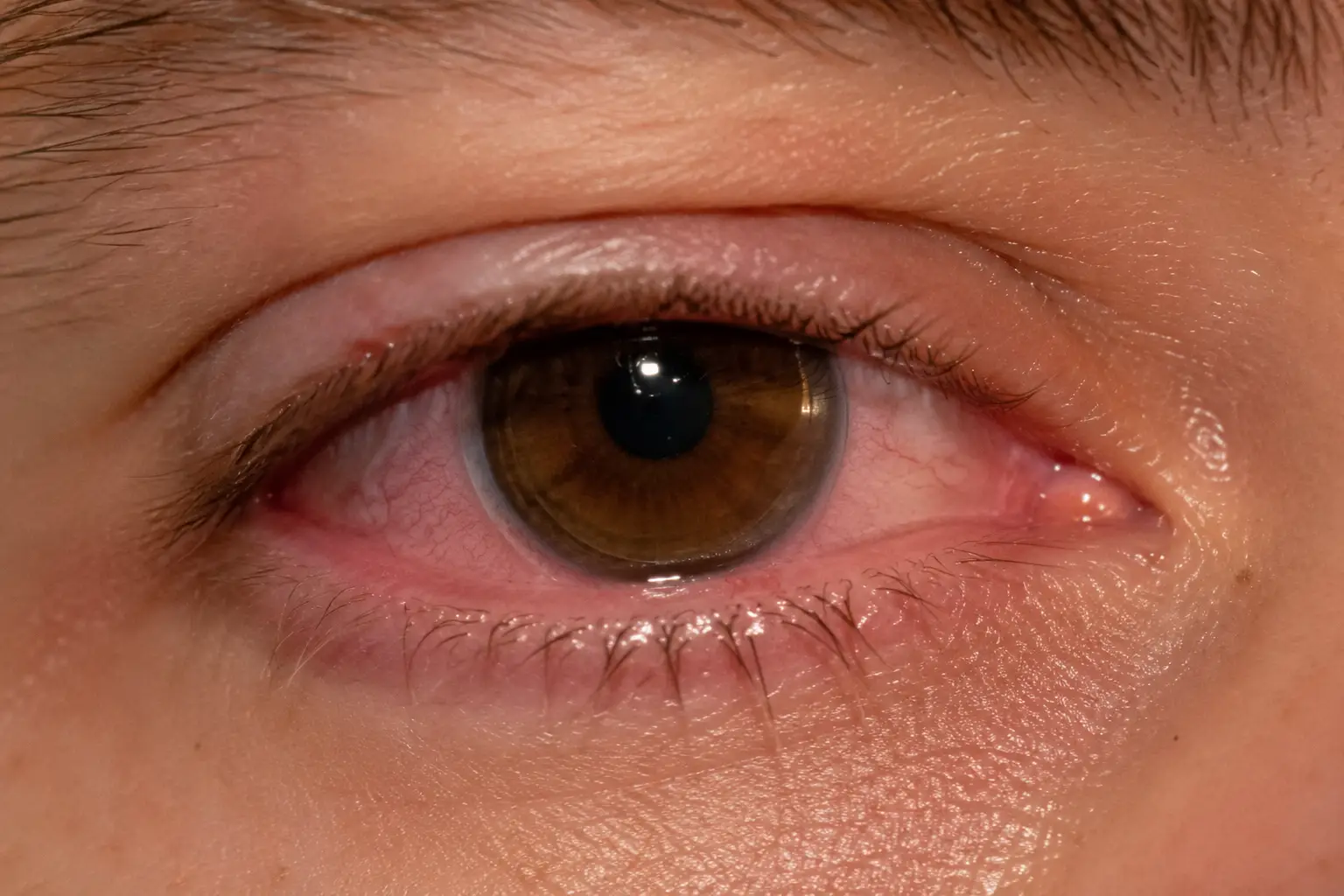
Your eyes need a steady oxygen supply, and contact lenses block much of that during sleep. Even a short nap with lenses in raises your risk of real, preventable eye damage.
Why Sleeping With Contacts In Is So Risky
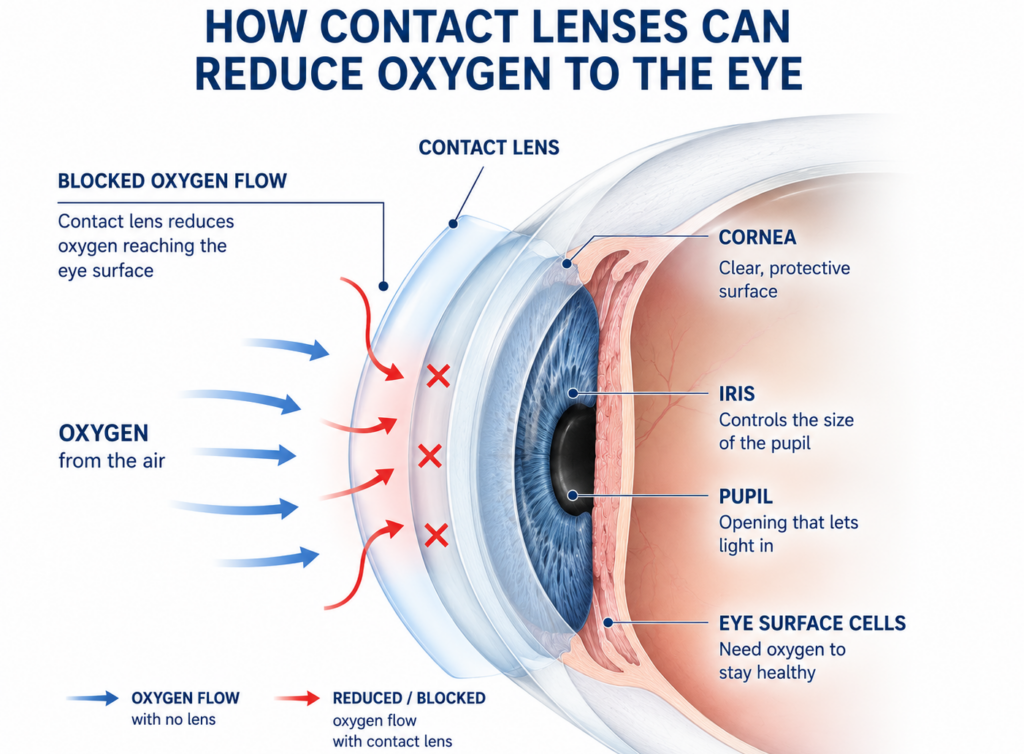
Your cornea has no blood vessels of its own. Instead, it absorbs oxygen directly from the air around it. During sleep, your eyelids close and reduce that airflow. A contact lens sitting on the cornea then cuts that already limited oxygen supply even further.
That combination creates a dangerous environment inside your eye. Bacteria that normally stay harmless on the eye surface start to multiply rapidly. As a result, your cornea swells, becomes inflamed, and loses much of its natural ability to fight off infection.
According to CDC data, sleeping in contacts raises your corneal infection risk by six to eight times. Roughly one in 500 contact lens wearers develops a serious eye infection each year. Additionally, around 99 percent of contact wearers admit to at least one risky behavior, and overnight wear ranks among the most common.
Beyond individual cases, the FDA tracked over 1,000 contact lens related corneal infections between 2005 and 2015. About 25 percent of those cases involved sleeping in lenses or wearing them past their intended period.
What Happens to Your Eyes When You Sleep With Contacts In
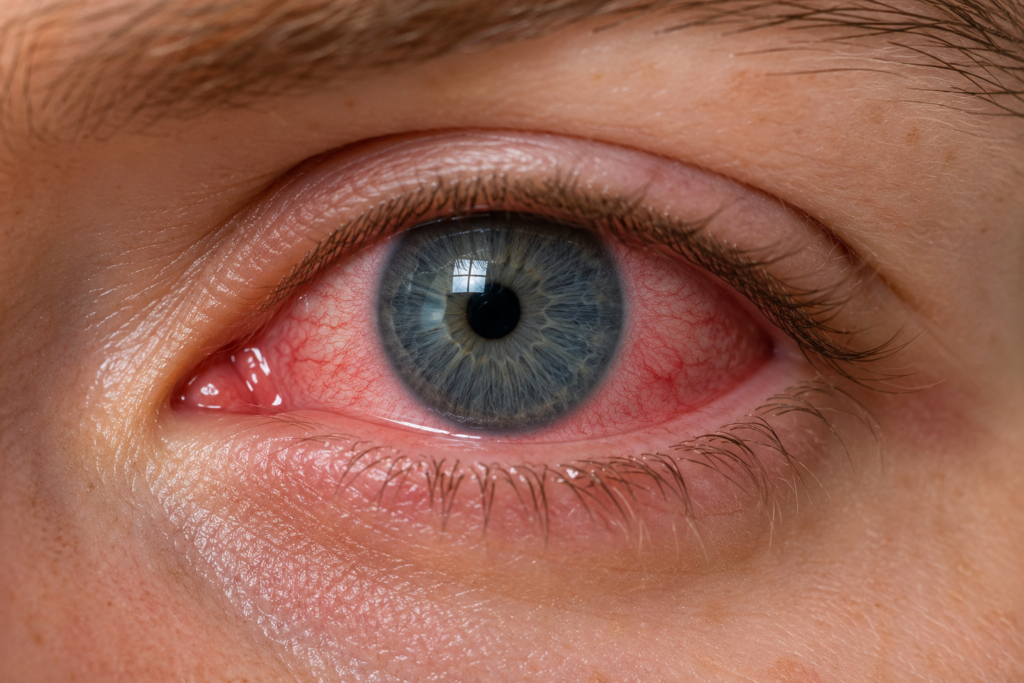
The effects can show up fast. When you wake up after sleeping with contacts in, your eyes often signal stress right away. You may notice several of these warning signs at once:
- Redness and irritation in one or both eyes
- Blurry vision that does not clear after blinking
- A gritty or scratchy feeling on the eye surface
- Sensitivity to bright light
- Dry, sticky lenses that are difficult to remove
These symptoms range from mild to severe. Some may ease after you remove the lenses and rest your eyes. Others point to something far more serious.
Corneal Infections and Keratitis
Microbial keratitis is one of the most dangerous outcomes of sleeping with contacts in. It is an infection of the cornea caused by bacteria, fungi, or parasites. The condition progresses quickly. Without fast treatment, it can scar the cornea and cause permanent vision loss. Keratitis accounts for around one million doctor visits in the United States each year. Much like infections that develop in other parts of the body, catching it early makes all the difference in outcome. Treatment often requires frequent antibiotic eye drops and multiple follow-up visits, and in severe cases, surgical intervention.
Corneal Ulcers
A corneal ulcer is an open sore on the surface of the eye. It causes intense pain, discharge, and sometimes a visible white spot on the cornea. These ulcers require fast medical attention. Delaying care raises the risk of permanent vision loss that surgery may not fully reverse. Some ulcers leave lasting corneal scarring even after successful treatment.
Abnormal Blood Vessel Growth
When the cornea is deprived of oxygen repeatedly, it tries to compensate by growing new blood vessels inward from the outer edges of the eye. If those vessels reach the central cornea, they permanently alter your vision. This condition is called corneal neovascularization. It does not reverse on its own once it develops.
What to Do Right After Sleeping With Contacts In
Remove your lenses as soon as you wake up. If they feel stuck or dry, apply a few drops of preservative-free rewetting solution before trying to slide the lens off. Wait a moment, then remove gently. Never rub or force the lens.
Waking up with unexpected discomfort is always a signal to pay attention. Whether that means throat pain in the morning or eye soreness from contacts left in overnight, your body is telling you something needs care.
After removing your lenses, take these steps:
- Give your eyes a full day of rest with no lenses at all
- Use preservative-free lubricating eye drops to ease dryness and irritation
- Avoid screens and bright lighting if your eyes feel sensitive
- Do not put lenses back in until your eyes feel completely normal, with no pain and clear vision
If mild symptoms clear within a few hours, your eyes are likely recovering well. But if discomfort gets worse rather than better, call your eye doctor that same day.
Are There Contact Lenses You Can Sleep In?
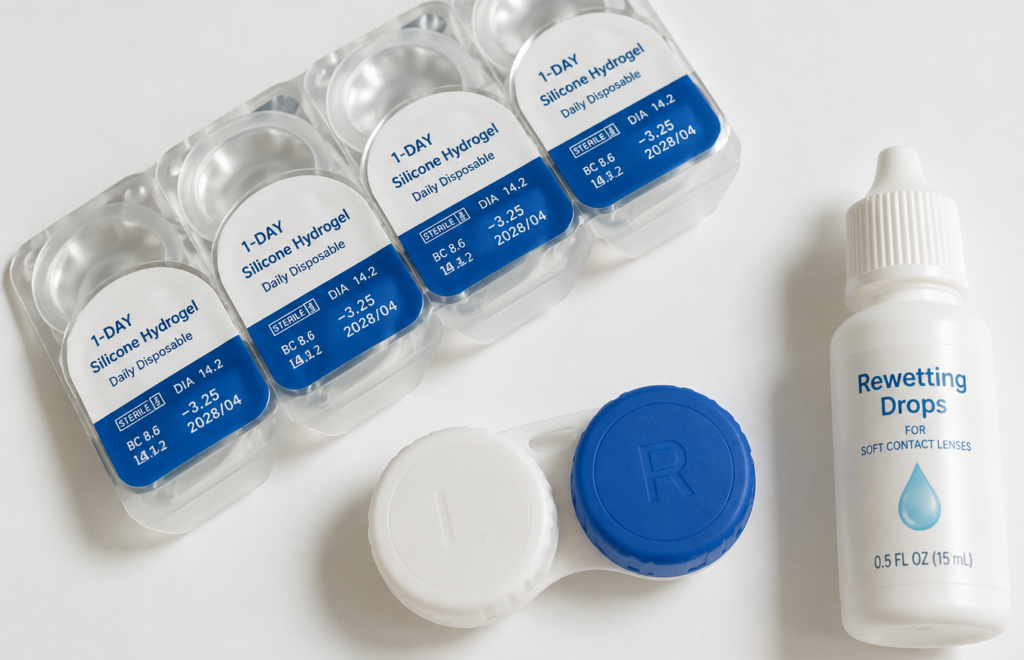
Yes. A specific type called extended wear contact lenses exists for people who cannot remove their lenses each night. These lenses are made from silicone hydrogel. That material allows significantly more oxygen through to the cornea than standard lens materials do.
The FDA has approved certain silicone hydrogel lenses for up to six consecutive nights of continuous wear. Some specialty brands carry approval for up to 30 nights. However, even approved extended wear lenses carry a higher infection risk than removing contacts each evening.
Extended wear lenses are not right for everyone. Your corneal health, tear production, and daily environment all affect whether they are a safe choice. Your doctor may also recommend them for specific medical situations, such as an irregular corneal shape or conditions that make daily lens handling difficult. Still, an eye doctor must evaluate your eyes directly before prescribing any lens for overnight use. Standard daily or monthly lenses are not cleared for sleep under any circumstances, regardless of how comfortable they feel.
How to Protect Your Eyes as a Contact Wearer
Good daily habits protect your eyes more than most people realize. The CDC has found that between 40 and 90 percent of contact lens wearers do not follow proper care instructions consistently. That gap in behavior is the main driver of preventable infections. Around 45 million Americans wear contact lenses, and most could significantly cut their infection risk simply by following a few basic steps.
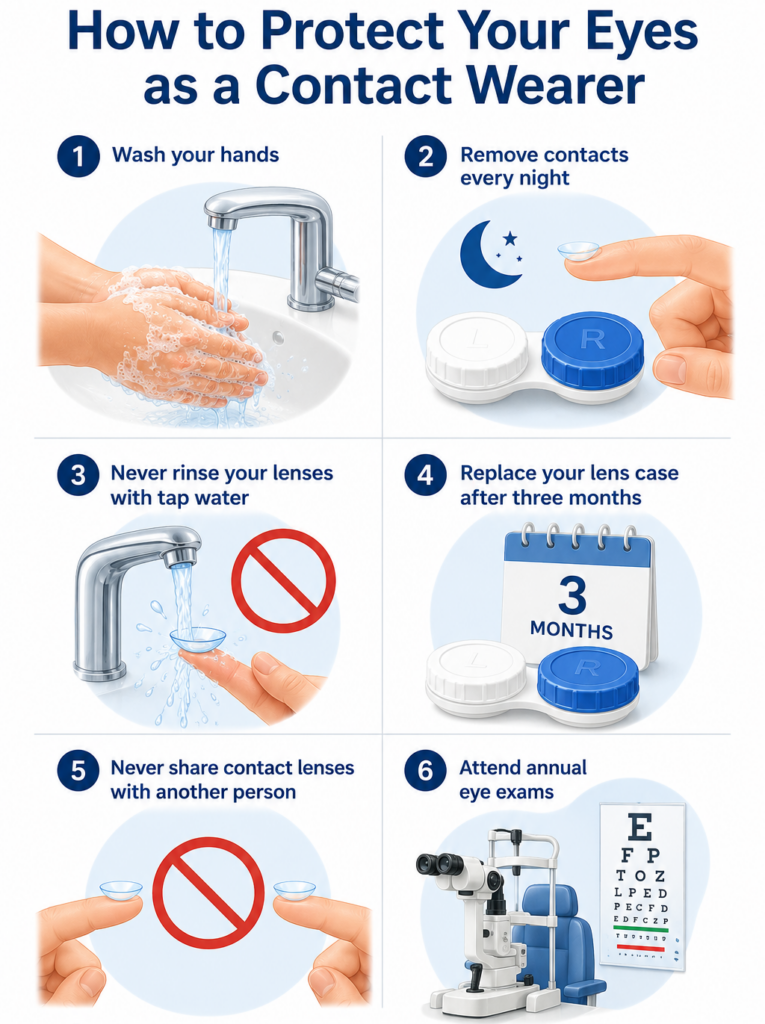
These practices make a real difference:
- Wash your hands thoroughly before handling lenses or touching your eyes
- Remove contacts every night unless your doctor has specifically approved extended wear
- Never rinse your lens case or lenses with tap water
- Replace your lens storage case every three months
- Follow the replacement schedule your eye doctor sets for your specific lens type
- Never share contact lenses with another person
- Attend annual eye exams, even when your vision feels unchanged
Contact wearers sometimes confuse lens-related eye redness with cold or allergy symptoms, since both can cause red, watery eyes. If you are unsure whether your eyes are reacting to your lenses or to something else entirely, an eye doctor can clarify quickly.
Building a consistent bedtime routine matters too. Removing contacts before sleep should feel as automatic as brushing your teeth. If you also want to improve your overall overnight rest, our guide on the best sleep position for better health covers practical options worth considering.
When to See a Doctor
Some eye symptoms after sleeping in contacts need same-day care. Do not wait to see if they get better on their own.
Seek medical attention right away if you notice any of these:
- Sudden sharp pain that does not ease after removing your lens
- Vision that stays blurry throughout the day
- A white or cloudy spot visible on the surface of your eye
- Heavy redness paired with discharge or pus
- Extreme light sensitivity that makes it hard to keep your eyes open
These are warning signs of serious infection or corneal damage. MedlinePlus notes that contact lens infections treated early are far more manageable than those left to progress. Starting treatment fast is what keeps temporary problems from becoming permanent ones.
If you remove your lenses and feel only mild dryness, rest your eyes for the day. Use preservative-free lubricating drops and monitor for any worsening over the next 24 hours. Give your eyes a full day before resuming lens wear.
Frequently Asked Questions
Can you sleep with contacts in for just one night?
Even one night significantly raises your risk of a corneal infection. The CDC links overnight contact wear to a six to eightfold increase in infection risk. If you accidentally slept in your contacts, remove them carefully in the morning. Apply rewetting drops first if the lenses feel dry. Watch for redness or pain throughout the rest of the day.
What happens if you sleep with contacts in regularly?
Regular overnight wear of standard lenses causes repeated oxygen deprivation to your cornea. Over time, this leads to chronic inflammation, abnormal blood vessel growth, and a much higher risk of serious infection. The damage builds gradually. Eventually, it can become difficult or impossible to reverse.
Are there contact lenses you can sleep in safely?
Yes. FDA-approved silicone hydrogel extended wear lenses are designed for overnight use. Some are cleared for up to six consecutive nights of continuous wear. Even so, these lenses carry more risk than removing contacts each night before bed. Talk to your eye doctor before using any lens for overnight wear.
Why is it bad to sleep with contacts in?
Contact lenses block oxygen from reaching your cornea during sleep. They also trap bacteria against the surface of your eye. Without proper oxygen flow, the cornea cannot protect itself effectively. The American Academy of Ophthalmology recommends removing lenses before sleep in almost all cases.
Can I take a nap with contacts in?
Brief naps carry the same risks as sleeping through the night with contacts in. Even a short period of closed eyes reduces oxygen flow and raises infection risk. If you plan to nap, remove your lenses first. It takes only a moment and meaningfully protects your eye health.
What should I do if I accidentally slept with my contacts in?
Remove your lenses carefully. If they feel stuck, use preservative-free rewetting drops and wait a moment before gently sliding the lens off. Avoid wearing lenses for the rest of the day. If you notice pain, significant redness, or blurry vision, contact your eye doctor the same day rather than waiting.
Written by Theo James
The information on this page is for general educational purposes only and is not a substitute for professional medical advice, diagnosis, or treatment. Always talk with your doctor or another qualified healthcare provider about any questions you have regarding a medical condition. Never ignore professional medical advice or delay seeking it because of something you read on the internet.