
You sprinkle cinnamon on your oatmeal and never think twice about it. But cinnamon benefits go beyond flavor, and new research keeps adding to the list.
People search for ways to manage blood sugar, support their heart, and calm everyday inflammation. Before you reach for the jar again, here is what cinnamon can do for your health. This page also covers safety facts most articles skip.
9 Cinnamon Benefits Backed by Research
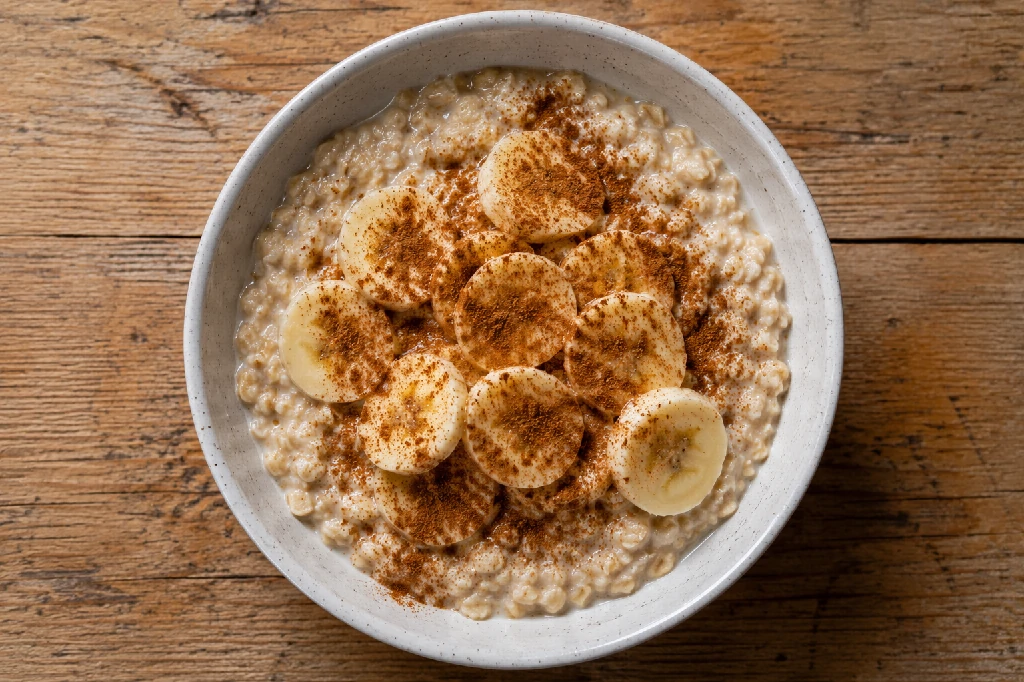
Cinnamon is not just a holiday spice. In fact, scientists have studied it for its effect on blood sugar, cholesterol, inflammation, and even bacteria growth. Here are the main cinnamon benefits researchers keep coming back to.
- May help lower fasting blood sugar levels
- May help lower total cholesterol
- May help reduce triglycerides
- May offer a small reduction in LDL cholesterol
- May support healthy blood pressure
- Rich in antioxidants that help fight cell damage
- May calm markers of inflammation like CRP and IL-6
- Carries natural antibacterial and antifungal properties
- Traditionally used to ease occasional digestive discomfort
If you enjoy reading about research backed spices, you are not alone. Saffron carries its own set of science backed health benefits worth knowing about.
Cinnamon Benefits for Blood Sugar Management
This is the cinnamon benefit people ask about most. A 2025 review in the journal Frontiers in Nutrition looked at cinnamon and metabolic health. It pooled data from 21 separate meta analyses. The review tied cinnamon supplementation to lower fasting blood sugar and lower total cholesterol. The strongest results showed up at higher doses taken for two months or less.
That sounds promising, but context matters here. Mayo Clinic notes that results vary across studies, since doses and cinnamon types differ widely. The American Diabetes Association also says there is not enough evidence to recommend cinnamon as routine treatment. This applies to both type 1 and type 2 diabetes. Cinnamon also is not as effective as prescribed diabetes medication, according to the Cleveland Clinic.
So where does that leave you? Cinnamon may offer a small supporting boost alongside a healthy diet. It should never replace medication or a treatment plan from your doctor. For added support, beetroot powder is another natural ingredient studied for its role in healthy blood pressure and heart support.
Ceylon Cinnamon vs Cassia Cinnamon Which One Wins
Not all cinnamon is the same. In fact, two main types show up on grocery shelves, and the difference affects both flavor and safety.
| Feature | Ceylon Cinnamon | Cassia Cinnamon |
|---|---|---|
| Common source | Sri Lanka, southern India | China, Indonesia, Vietnam |
| Flavor | Mild, slightly sweet | Strong, slightly bitter |
| Coumarin content | Very low | Much higher |
| Best for daily use | Yes, lower risk | Use in smaller amounts |
| Price | Higher | Lower, more common |
Cassia cinnamon is the type most people have in their kitchen. It costs less and tastes stronger, but it carries more coumarin. The National Center for Complementary and Integrative Health links coumarin to liver concerns in large or long term amounts.
Why Organic Ceylon Cinnamon Powder Stands Out
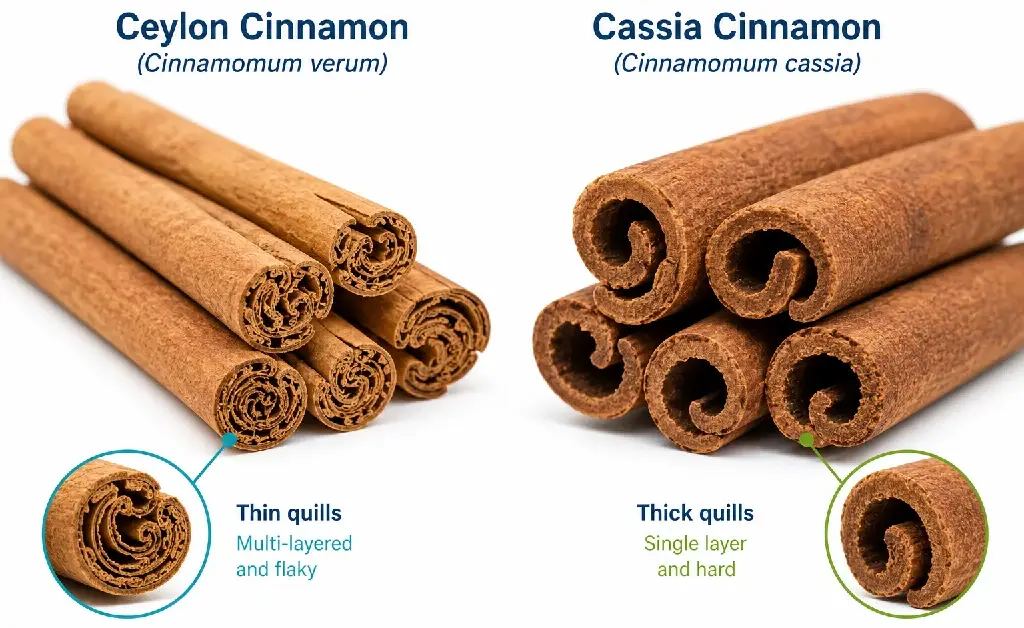
Organic Ceylon cinnamon powder has become popular for a few clear reasons.
- Lower coumarin content makes daily use less of a concern
- Milder flavor works well in drinks and baked goods
- Organic certification means fewer pesticide residues
- Often sold whole and ground fresh, which keeps flavor strong
If you use cinnamon every single day, Ceylon is the safer everyday pick. Instead, save cassia for occasional baking or recipes that call for a stronger kick.
Canela The Spanish Name for Cinnamon and its benefits
Canela is simply the Spanish word for cinnamon, and it carries deep roots in Latin American kitchens and home remedies. For example, many families use canela in coffee, rice pudding, and warm milk drinks. Others brew it as a tea for stomach upset or use it as a traditional remedy passed down through generations.
These traditional cinnamon benefits are worth respecting, but folk use is not the same as clinical proof. The National Center for Complementary and Integrative Health has looked into this question closely. Its research review found no clear support for using cinnamon to treat any specific health condition. Enjoy canela for its flavor and cultural value. Talk to your doctor before relying on it for any medical issue.
Cinnamon Oil Benefits and Safe Ways to Use It
Cinnamon oil is far more concentrated than the ground spice, so it works differently and carries different risks. In fact, lab research shows cinnamon oil may fight certain bacteria, fungi, and even some insects.
People mainly use cinnamon oil in three ways.
- Aromatherapy, added to a diffuser for scent
- Diluted topical use, mixed with a carrier oil for skin
- Flavoring in oral care products, in small, regulated amounts
Never apply undiluted cinnamon oil directly to skin, since it can cause burns and irritation. Swallowing essential oil versions of cinnamon is not the same as cooking with the spice, and it can be harmful. Instead, stick to food grade cinnamon for eating, and treat the essential oil as a topical or aromatic product only. Shilajit is another concentrated traditional supplement that calls for the same kind of caution before use.
Cinnamon and Honey Benefits You Should Know
Cinnamon and honey show up together in countless home remedies, from soothing a cough to calming a sore throat. Both ingredients carry antioxidants. On top of that, honey has its own long history in wound care and cough relief.
Still, the combination is not a proven cure for any illness. Most of the cinnamon and honey benefits people describe come from tradition rather than strong clinical trials. A warm spoonful can feel soothing, and that comfort has real value, even without a guaranteed medical effect.
One safety note matters more than the rest. Never give honey to a baby younger than 12 months, including cinnamon and honey mixtures. The CDC warns that honey can carry spores linked to infant botulism.
Should You Eat Cinnamon Sticks
Cinnamon sticks are simply rolled curls of bark, and most people are not meant to eat them whole. Instead, they work best steeped in liquid for flavor.
Here is how cinnamon sticks are typically used.
- Steeped in tea, cider, or coffee for warmth and flavor
- Simmered in soups or stews, then removed before serving
- Used as a stir stick for hot drinks
- Ground at home for the freshest possible spice
Chewing on a raw stick can be tough on your teeth and hard to digest. If you want the flavor without the bark, ground cinnamon or a strained tea is the easier choice.
What Is Cinnamon Spice Tea Good For
Cinnamon spice tea is a simple way to enjoy cinnamon benefits without committing to a full meal or recipe. Plus, steeping cinnamon releases its antioxidants and aromatic oils into hot water, creating a warm, comforting drink.

People often reach for cinnamon tea for these reasons.
- A caffeine free way to warm up on a cold day
- Naturally sweet flavor without any added sugar
- A calming evening ritual before bed
- An easy add on for digestive comfort after meals
Add a cinnamon stick or a half teaspoon of ground cinnamon to hot water, and steep for 10 minutes. A little honey or lemon can round out the flavor. Hibiscus tea is another antioxidant rich drink linked to healthy blood pressure worth trying alongside cinnamon tea.
How Much Cinnamon Is Safe
Most healthy adults can safely use cinnamon as an everyday spice. Still, problems tend to show up with concentrated supplements or very high daily amounts over long periods.
Keep these safety points in mind.
- Cassia cinnamon carries more coumarin, so smaller daily amounts are wiser
- Large amounts may trigger stomach upset, mouth irritation, or allergic reactions
- People with liver disease should be extra cautious with cassia cinnamon
- Pregnant individuals should avoid large amounts of Ceylon cinnamon specifically
- Cinnamon may interact with certain medications, including some anticancer drugs
If you take any prescription medication, ask your doctor or pharmacist before adding cinnamon supplements to your routine.
When to See a Doctor
Most people can enjoy cinnamon without any issue. Still, certain signs mean it is time to call your doctor.
- Hives, swelling, or trouble breathing after eating cinnamon
- Ongoing stomach pain, bloating, or digestive changes that do not improve
- Yellowing skin or eyes, which can signal liver trouble
- Blood sugar that stays high despite diet changes and medication
- Any new symptom that worries you after starting a cinnamon supplement
Severe swelling of the face or throat, or trouble breathing, needs emergency care right away. Call 911 or head to the nearest emergency room rather than waiting it out at home. If ongoing stomach pain is the main concern, it also helps to understand the signs and causes of gastritis.
Easy Ways to Add Cinnamon Benefits to Your Day
Adding cinnamon to your routine does not require a big change. In fact, small, simple swaps add up over time.
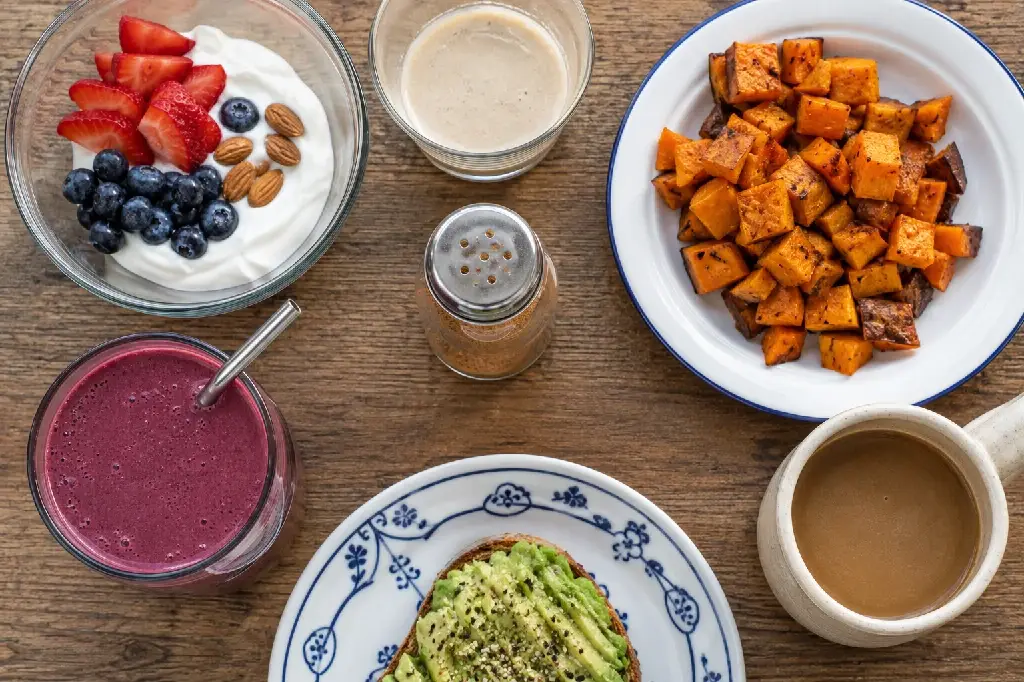
- Stir into oatmeal, yogurt, or coffee in the morning
- Sprinkle on roasted sweet potatoes or carrots
- Mix into a smoothie with banana and oats
- Add to baked apples or a fruit salad
- Steep in tea, as covered above
Pick one or two habits and stick with them for a few weeks. Small, steady changes tend to last longer than big overhauls.
Frequently Asked Questions
Is cinnamon safe to take every day?
Yes, for most healthy adults, small daily amounts of cinnamon are considered safe. Ceylon cinnamon is the safer daily choice since it carries much less coumarin than cassia. Talk to your doctor before using cinnamon supplements long term.
Can cinnamon lower blood sugar?
Some research links cinnamon to modest drops in fasting blood sugar. The American Diabetes Association still says evidence is not strong enough to recommend it as treatment. Cinnamon may offer a small boost, but it should never replace prescribed medication.
Which type of cinnamon is healthiest?
Ceylon cinnamon, sometimes called true cinnamon, is generally the healthier daily pick. It contains far less coumarin than cassia cinnamon, the more common grocery store type. Cassia still works fine in small, occasional amounts.
Can cinnamon help with weight loss?
Cinnamon is not a proven weight loss tool on its own. Some studies suggest it may support healthy blood sugar, which can help curb cravings. Pair it with a balanced diet and regular movement for real results.
Is cinnamon safe during pregnancy?
Cinnamon used as a normal food spice is generally considered safe during pregnancy. Large amounts of Ceylon cinnamon or concentrated supplements are not recommended for pregnant women. Always check with your doctor before adding any supplement to your routine.