
Sleep gummies work best for jet lag and disrupted schedules, not chronic insomnia. Their effect depends entirely on what is inside: melatonin resets your body clock, magnesium and L-theanine calm the nervous system, and the rest is mostly flavor. The bigger problem is the label, since one study found 88% of melatonin products contained a different dose than printed.
Millions of adults reach for sleep gummies hoping to fall asleep faster and stay asleep longer. Whether they work for you comes down to two questions: which ingredient is doing the work, and whether the bottle actually contains what it claims. This guide answers both.
What Is Actually in Sleep Gummies
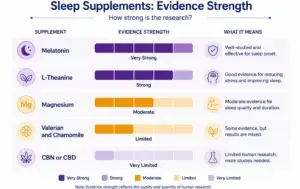
Most sleep gummies are built around melatonin plus a supporting cast. Here is what each common ingredient does, and how seriously to take it.
Melatonin, usually 1 to 10 mg. A hormone your body already produces when darkness sets in. Extra melatonin reinforces that signal, which is why it genuinely helps reset a disrupted body clock. It is not a sedative, and more is not better. Experts at Mayo Clinic recommend starting between 0.5 mg and 3 mg about 30 minutes before bed.
L-theanine, usually 25 to 200 mg. An amino acid from tea leaves that promotes calm without sedation. Decent evidence for easing the racing mind that delays sleep onset, and it does not cause grogginess.
Magnesium, usually 30 to 100 mg in gummies. Supports the nervous system’s calming pathways. The catch: gummy doses sit well below the roughly 200 mg that research suggests for sleep support, so a gummy alone rarely delivers a meaningful magnesium dose. Our guide on magnesium bisglycinate covers the full dose form.
Valerian root and chamomile. Traditional herbal calmatives with mild, mixed evidence. Pleasant additions, not primary drivers.
CBN or CBD, in newer products. Cannabis derived compounds marketed for sleep with early and limited human evidence. Treat these as experimental, and note they add their own interaction questions.
The practical takeaway: when a sleep gummy works, it is almost always the melatonin doing the clock resetting or the theanine calming the mind. Judge a product by those two numbers on the label, not the botanical garnish.
When Sleep Gummies Actually Work
Research published by the Sleep Foundation shows melatonin is most effective for jet lag and disrupted schedules from shift work, situations where your body clock needs a reset.
They are not a reliable fix for chronic insomnia. They may rescue a rough night, but they do not address why you are not sleeping. Anxiety, poor sleep habits, and sleep apnea each need a different approach, and gummies can mask those problems while they worsen. If you snore heavily or wake unrefreshed every day, our article on the best sleep positions for sleep apnea covers one piece of that separate puzzle.
The Label Problem Nobody Checks
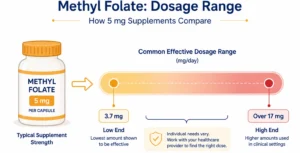
One study tested 25 melatonin products and found 88% were inaccurately labeled, with actual melatonin content ranging from 74% to 347% of the printed amount. A gummy labeled 5 mg could deliver anywhere from 3.7 mg to over 17 mg. For anyone trying to start with a careful low dose, that variation defeats the entire plan.
The root cause is regulatory. The FDA classifies melatonin as a dietary supplement, not a drug, so manufacturers skip pharmaceutical grade testing. UC Davis Health notes this gap is a growing concern among sleep researchers.
How to read a sleep gummy label in 30 seconds:
- Melatonin milligrams per gummy, and whether a “serving” quietly means two gummies
- A third party testing seal, USP Verified or NSF International, which is the only real answer to the mislabeling problem
- Sugar content, since most gummies carry 1 to 3 grams each, a detail nightly users and diabetics should notice
- The other actives, so you know whether you are also taking valerian or CBN without meaning to
Side Effects and Who Should Skip Them
Sleep gummies are generally safe for short term use in healthy adults. Common side effects include morning grogginess, headaches, dizziness, nausea, and vivid dreams. Grogginess almost always means the dose is too high, and cutting it in half usually solves it. Popular brands like Olly, which combine 3 to 5 mg of melatonin with L-theanine and botanicals, follow the same pattern, with next morning drowsiness most reported at the 5 mg dose.
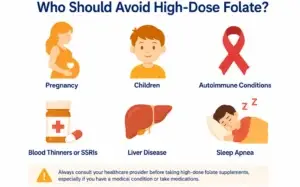
Skip sleep gummies or ask a doctor first if you:
- Are pregnant or breastfeeding
- Are considering them for a child or teen, unless a pediatrician specifically recommends it
- Have an autoimmune condition
- Take blood thinners, antidepressants like SSRIs, or immunosuppressants, all of which interact with melatonin
- Have a liver condition
- Have or suspect sleep apnea, where gummies mask symptoms rather than treat them
On long term nightly use: a review highlighted by the American Heart Association found adults using melatonin for a year or more showed a higher likelihood of heart failure diagnoses. The research is preliminary, but it is one more reason gummies should stay an occasional tool rather than a nightly habit.
Sleep Gummies vs the Alternatives
| Sleep Aid | How It Works | Best For |
| Melatonin gummies | Reinforces the body clock signal | Jet lag and schedule disruption |
| Magnesium bisglycinate | Supports nervous system relaxation | General sleep quality, nightly use |
| Saffron extract | Supports calming neurotransmitters | Gradual sleep quality improvement |
| L-theanine | Eases mental tension | Trouble falling asleep |
| Valerian root | Mild herbal calming | Occasional restlessness |
| Prescription sleep aids | Acts directly on brain receptors | Chronic insomnia, under medical care |
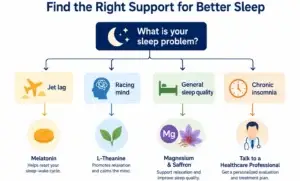
Non-melatonin options keep growing in popularity among adults who prefer not to supplement a hormone. Magnesium at proper doses and saffron are the two with the most credible trial evidence: randomized trials found 14 to 28 mg of saffron extract improved sleep quality within about four weeks, a story we cover in our saffron dosage guide.
When to See a Doctor About Sleep
Occasional bad nights are normal. Talk to a doctor if you have struggled to sleep for more than three weeks, feel exhausted despite full nights in bed, snore loudly or stop breathing during sleep, or find yourself taking a gummy every night just to function. Chronic sleep problems usually point to something treatable underneath: sleep apnea, anxiety, depression, or thyroid imbalance. A doctor can find which one, and that answer beats any supplement.
Frequently Asked Questions
Do sleep gummies actually work?
For jet lag and disrupted schedules, yes, melatonin genuinely helps reset your body clock. For chronic insomnia, evidence is weak, and gummies tend to mask the underlying problem. Start at a low dose, use them occasionally, and treat persistent sleeplessness as a medical question rather than a supplement question.
Which sleep gummy ingredient works best?
Melatonin has the strongest evidence for circadian problems like jet lag, and L-theanine has decent support for quieting a racing mind. Magnesium helps sleep quality but gummy doses usually run too low to matter. Herbal additions like valerian and chamomile are mild extras, and CBN remains experimental.
How much melatonin should adults take?
Start between 0.5 mg and 3 mg, taken about 30 minutes before bed. More than 5 mg is generally unnecessary without a doctor’s recommendation. And because mislabeling is widespread, choose a third party tested brand so your careful low dose is actually a low dose.
Can you take sleep gummies every night?
Nightly long term use is not recommended. Preliminary research links melatonin use beyond a year to higher rates of heart failure diagnoses, and habitual use can paper over a treatable sleep disorder. Keep gummies for occasional use, and see a doctor if you need something every night.
Are sleep gummies safe for kids?
Only under a pediatrician’s guidance. Melatonin affects hormones in a developing body, accidental overdoses from candy like gummies are a documented poison control problem, and childhood sleep issues usually respond better to routine changes. Do not treat them as harmless because they look like vitamins.
Are sleep gummies safe for older adults?
With extra caution. Older adults process melatonin more slowly, so even small doses can linger and cause next day grogginess, confusion, or fall risk. Seniors should start at the lowest available dose and involve their doctor, especially alongside multiple medications.