
Itchy armpits are one of those problems everyone deals with at some point, yet almost no one talks about.
The skin under your arms sits in a warm, damp spot all day. It reacts fast to sweat, fabric, razors, and the products you put on it. Sometimes the itch shows up with a visible rash. Other times your underarms feel irritated with nothing to see at all. This guide walks through the real reasons your armpits itch. It also covers how to calm the irritation and when the itch is worth a call to your doctor.
Why Are Your Armpits Itchy? The Most Common Causes
Several everyday habits and skin reactions can trigger itchy armpits, and most of them have nothing to do with hygiene. Your underarms trap heat, moisture, and friction more than almost any other part of your body. This makes the skin there easy to irritate. Once you spot the pattern behind your itch, treating it gets much simpler.

Here are the most frequent causes behind itchy underarms.
- Sweat and bacteria building up after exercise or a long, hot day
- Shaving too close, using a dull blade, or developing ingrown hairs
- A new deodorant or antiperspirant that contains fragrance or alcohol
- Friction from tight shirts, sports bras, or rough fabric
- Allergic contact dermatitis from a skin care product or laundry detergent
- A yeast infection, candida, thriving in the warm, damp skin fold
- Heat rash after sweating heavily in hot or humid weather
Most of these causes clear up within a few days once you remove the trigger. The ones that linger, spread, or come back again and again usually point to something else. A yeast infection or an allergic reaction needs targeted treatment, not just a new soap.
What Itchy Underarms With No Rash Really Means
Not every itch comes with redness or bumps. Itchy underarms with no rash are common, and the skin usually looks completely normal even though it feels irritated.
Dry skin is the most frequent reason. Frequent washing, hot showers, and strong soaps strip natural oils from the skin. This leaves the armpit area tight and itchy without any visible change. Leftover product residue from deodorant or body wash can build up in the hair follicles and create the same sensation.
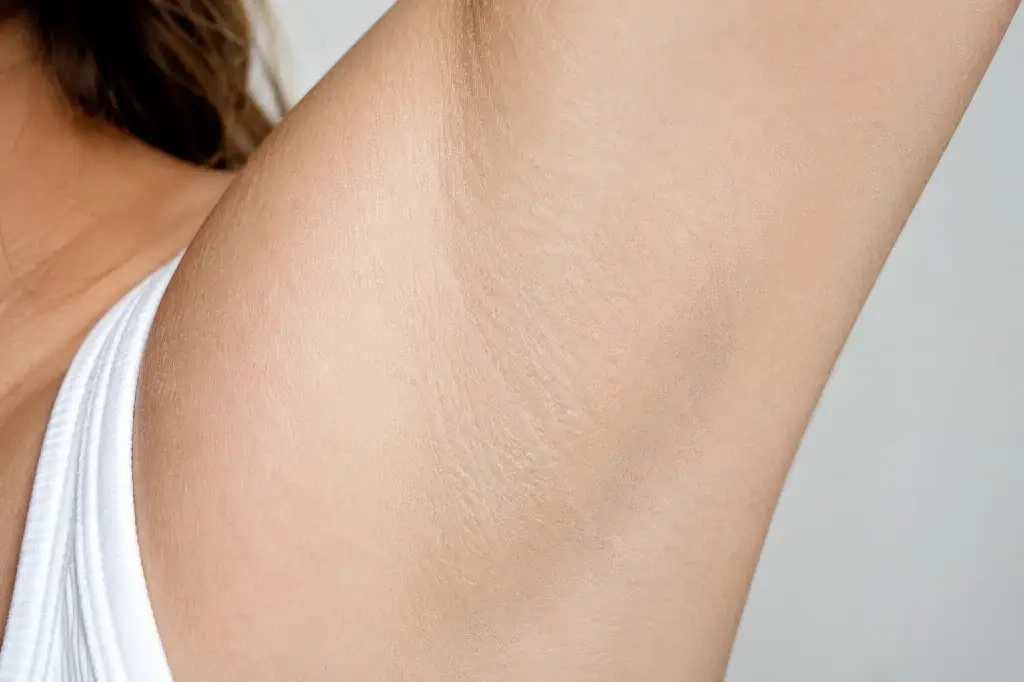
Stress and anxiety can also play a role. Nerves in the underarm area sometimes send itch signals to the brain even when the skin itself is healthy. Doctors describe this pattern as nerve related itch.
In rare cases, an itch with no rash points to something happening inside the body. This can include a thyroid change or low iron levels. According to Mayo Clinic, internal causes of itching often affect the whole body, not just the armpits. A doctor can help you sort out the real reason behind a stubborn itch.
What Causes an Armpit Rash or Red Rash Under the Arm
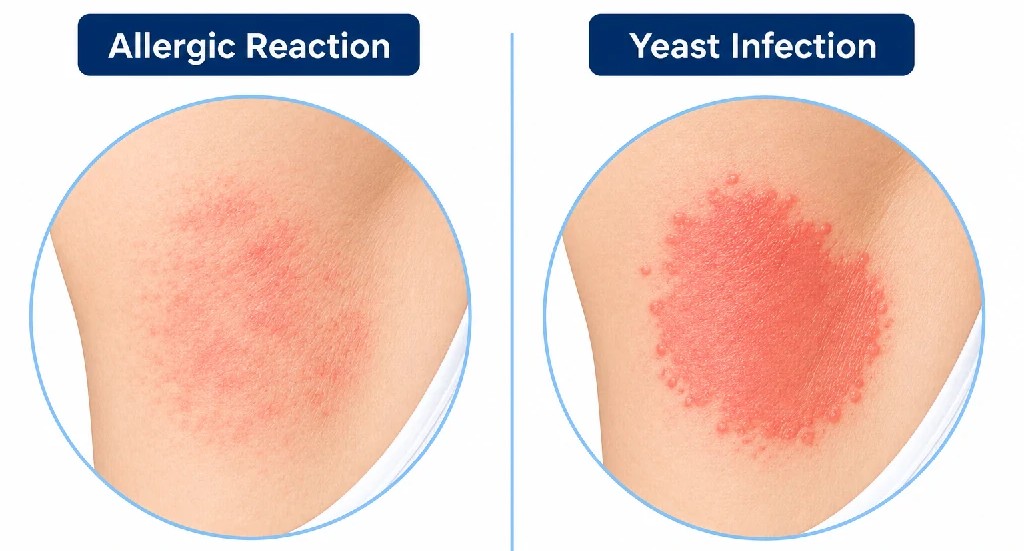
A rash changes the picture. Redness, bumps, or scaly patches usually point to one of two common conditions. These are allergic contact dermatitis or a yeast infection under the armpit. Both cause intense itching, but they show up and respond to treatment in different ways. Knowing which one you have helps you pick the right product instead of guessing.
Allergic Contact Dermatitis Under the Arm
Allergic contact dermatitis happens when your immune system reacts to an ingredient in a product you use. Fragrance is the biggest culprit. Research published through the National Institutes of Health tested 107 deodorant and antiperspirant products. Fragrance showed up in 97 of them, making it the most common trigger for underarm allergies.
Other frequent triggers include preservatives, propylene glycol, and even natural botanical ingredients marketed as gentle. Symptoms usually include redness, dryness, small bumps, and an itch that gets worse soon after you apply the product.
A dermatologist can confirm the cause through patch testing. In the meantime, a fragrance free, dye free antiperspirant often calms the reaction within a week or two.
Yeast Infection Under the Armpit (Candida Intertrigo)
A yeast infection under the armpit, often called candida intertrigo, thrives in warm, damp skin folds. The National Institutes of Health confirms this. Armpits rank among the most common sites for this infection, along with the groin.
The rash usually looks bright red, with defined edges and sometimes small pimple like bumps at the border. It often feels intensely itchy and can carry a faint, musty smell.
Certain factors raise your risk. According to Cleveland Clinic, people with diabetes, obesity, or a weakened immune system develop armpit yeast infections more often. Pregnancy, antibiotics, and humid weather also create the warm, moist conditions yeast needs to grow.
Unlike dry irritation, this type of rash rarely improves with moisturizer alone. It needs an antifungal product to clear.
The table below makes the difference easier to spot.
| Feature | Allergic Contact Dermatitis | Yeast Infection (Candida Intertrigo) |
|---|---|---|
| Main cause | Reaction to fragrance, preservatives, or other ingredients | Candida overgrowth in warm, moist skin folds |
| What it looks like | Red, dry, sometimes scaly patches | Bright red rash with defined edges and possible small bumps |
| Common trigger | New deodorant, antiperspirant, or laundry product | Heat, sweat, obesity, diabetes, antibiotics, pregnancy |
| Smell | None | Sometimes a faint, musty odor |
| Typical treatment | Stopping the product, fragrance free antiperspirant, mild steroid cream if needed | Antifungal cream, powder, or oral medication for severe cases |
Armpit Yeast Infection Treatment That Works
Armpit yeast infection treatment usually starts with an antifungal product, not a steroid cream. Steroids can sometimes make a yeast infection worse by suppressing the skin’s natural defenses.
Cleveland Clinic notes that antifungal creams with clotrimazole or miconazole clear most mild cases within two weeks, no prescription needed. Apply a thin layer to clean, dry skin twice a day. Continue for a few days after the rash clears to stop it from returning.
For infections that keep coming back, your doctor may prescribe an oral antifungal such as fluconazole. This also applies to infections covering a wider area. This works from the inside and reaches areas a cream cannot.
Drying powders help too. They keep the armpit area dry between showers, which makes it harder for candida to grow back. Look for a powder without cornstarch, since cornstarch can actually feed yeast rather than starve it.
If you also manage diabetes, keeping your blood sugar steady plays a real role in recovery. High blood sugar gives yeast more fuel to spread.

Frequently Asked Questions
Why are my armpits itchy?
Itchy armpits usually come from sweat, shaving, tight clothing, or a new deodorant. Less often, the cause is a yeast infection, allergic reaction, or a skin condition like eczema. Most cases clear up once you remove the trigger and keep the area clean and dry.
Why do my underarms itch with no rash?
Dry skin, product buildup, and nerve related itching are common reasons for itchy underarms with no visible rash. Tight clothing and recent shaving can also irritate the skin without leaving a mark. If the itch does not improve in a week or two, a doctor can check for an internal cause.
What does a yeast infection under the armpit look like?
A yeast infection under the armpit usually looks like a bright red rash with clearly defined edges. You may also see small pimple like bumps, scaling, or a faint musty smell. It tends to feel intensely itchy and can spread if left untreated.
What is the best armpit yeast infection treatment?
Most cases respond well to an over the counter antifungal cream containing clotrimazole or miconazole. Apply it twice a day for about two weeks. Keeping the area dry with a cornstarch free powder also helps. If the rash does not improve or keeps coming back, your doctor may prescribe a stronger or oral antifungal.
Can a yeast infection under the armpit go away on its own?
Mild irritation sometimes fades on its own once you remove sweat and friction. A true yeast infection rarely clears without an antifungal product, since the warm, moist environment keeps feeding the fungus. Treating it early helps avoid a larger, harder to clear rash.
When should I see a doctor about itchy armpits?
See a doctor if the rash spreads or does not improve after two weeks of home care. The same goes for fever, pus, or a lump. Persistent itching that disrupts your sleep also deserves a checkup. These signs can point to an infection or another condition that needs targeted treatment.