
Bruised Heel Causes, Symptoms and How to Treat It Fast
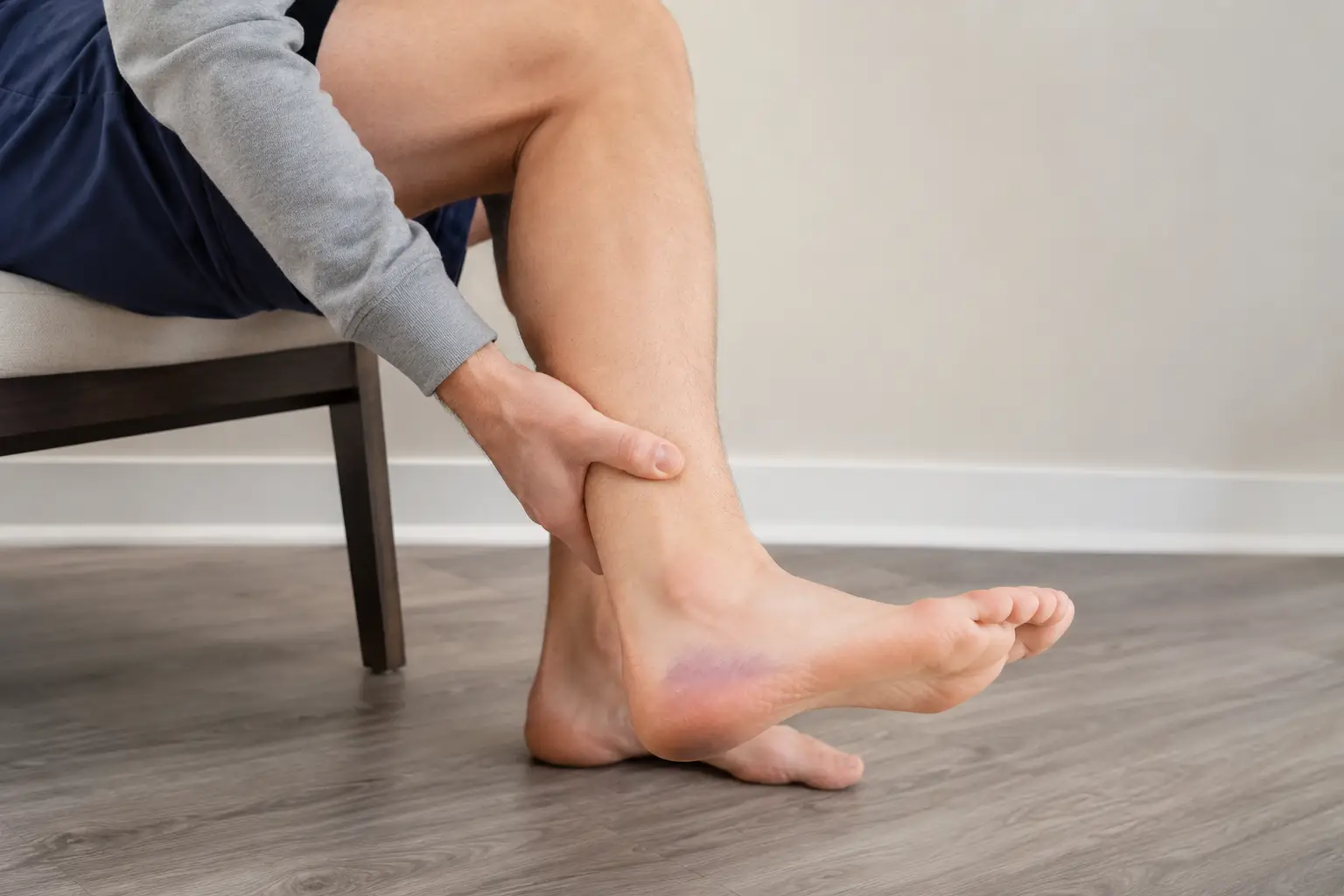
The pain sits right at the base of your heel and sharpens with every step you take. So whether it came on after a hard run, a bad landing, or long days standing on concrete, getting the right information early makes a real difference. We cover everything below, from what causes it to how to get back on your feet faster.
What Is a Bruised Heel?
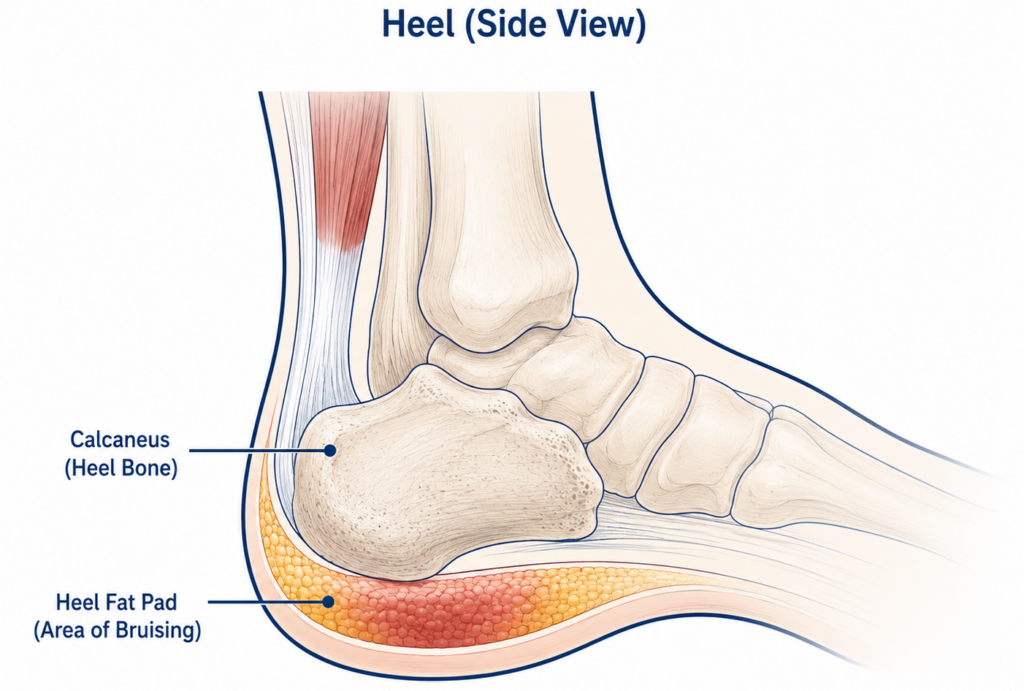
Your heel bone sits inside a thick cushion of fatty tissue. Doctors call this bone the calcaneus. That fatty layer absorbs the shock of every step you take throughout the day. When pressure hits that pad too hard or too often, it bruises. The medical term for this type of injury is a fat pad contusion.
Sometimes only the soft tissue bruises. Other times the bone underneath takes the impact too, resulting in a bone bruise. Both types cause pain at the base of your foot. However, a bone bruise typically feels sharper and takes noticeably longer to heal.
Research from sports medicine sources shows that roughly 80% of people with a bruised heel recover fully within two to three weeks. This depends on following the right treatment steps from the very beginning.
Common Causes of a Bruised Heel
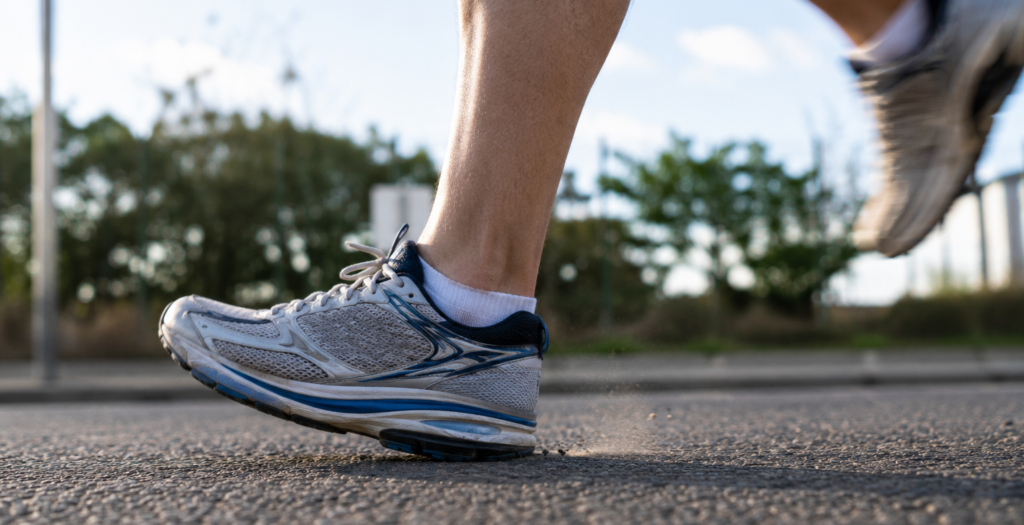
Several things can trigger a bruised heel. Some happen in one sudden moment. Others build up slowly from repeated stress over time.
The most common causes are:
- Landing hard on your heel after a jump or a fall
- Running or walking for long periods on concrete, asphalt, or other hard surfaces
- Stepping on a sharp or uneven object such as a rock or a root
- Switching suddenly from cushioned footwear to flat or minimal shoes
- Increasing your workout mileage or intensity too quickly without adequate rest
- Wearing old shoes that no longer provide proper shock absorption
Age also plays a significant role here. As we get older, the fat pad inside the heel naturally thins out. This makes it far easier to bruise and considerably slower to bounce back. Athletes and distance runners carry the highest risk overall. Still, anyone can develop a bruised heel from a single wrong step.
Beyond physical activity, obesity also puts added mechanical load on the heel fat pad with every step. Even occupations that require long hours of standing, such as nursing or retail work, raise the risk of this injury over time.
Bruised Heel Symptoms to Watch For
Catching bruised heel symptoms early helps you act quickly and avoid making things worse. The pattern of your pain often tells the story better than anything visible on the skin.
Common signs to watch for include:
- Deep, aching pain directly beneath the heel bone
- Tenderness when pressing on the bottom of your foot
- Swelling around the heel area
- A red or purple bruise visible on the skin of the heel
- Pain that grows worse the longer you stay on your feet
- Stiffness or soreness after sitting or resting for a while
The pain pattern is one of the clearest clues with this injury. During rest, the heel usually feels dull and achy. Then, as soon as weight goes back on the foot, the pain sharpens considerably. First steps in the morning tend to feel especially harsh if the bone itself is also bruised.
Additionally, some people notice that the heel feels warmer than usual. This warmth is the body’s inflammatory response to tissue damage. A bruise on the bottom of your foot that does not fade within a few days deserves prompt attention, as ongoing inflammation can slow healing significantly if left unmanaged.
Also, keep in mind that you can have a bruised heel without seeing any visible skin discoloration at all. Deep tissue bruising does not always rise to the surface. For more insight into what foot symptoms can reveal, our article on what your feet say about your health covers the broader patterns worth knowing.
How to Treat a Bruised Heel at Home
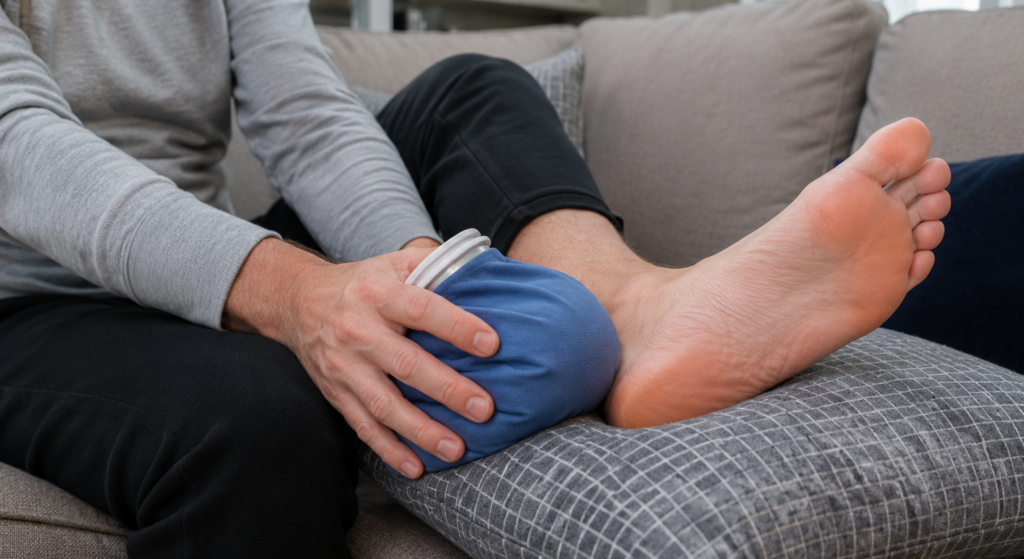
For most cases, at-home care works very well when started early. The RICE method is the standard first response recommended across podiatric and sports medicine.
Rest. Take as much weight off your heel as possible for the first few days. Short, necessary walks are fine. However, avoid any running, jumping, or high impact exercise during this window.
Ice. Apply an ice pack wrapped in a thin cloth to your heel for 15 to 20 minutes, three times each day. Keep this up consistently through the first week to control swelling.
Compression. Tape your heel firmly with athletic tape or a supportive heel wrap. This gives the fat pad added structural support and helps prevent further swelling. Taping also takes some of the load off the injured tissue during movement.
Elevation. Prop your foot on a pillow whenever you sit or lie down. Keeping the heel above heart level helps reduce fluid buildup around the injured area.
Beyond RICE, these additional steps also speed up healing:
- Take over-the-counter anti-inflammatory medication such as ibuprofen to ease pain and reduce swelling
- Insert a silicone heel cup or gel pad into your shoes before walking or standing
- Switch to well-cushioned, supportive shoes right away and avoid flat footwear temporarily
- Stay off bare hard floors such as tile, hardwood, or concrete until pain improves
Most soft tissue bruised heels improve meaningfully within one to three weeks, as Healthline reports. A bone bruise, however, can take up to six weeks for full recovery.
Bruised Heel vs. Other Foot Conditions
A bruise on the bottom of your foot can feel very similar to several other conditions. Knowing the key differences helps you treat the right problem from the start rather than wasting time on the wrong approach.
| Condition | Primary Pain Location | Worst Time | Key Sign |
|---|---|---|---|
| Bruised Heel | Bottom of heel bone | During and after activity | Deep tenderness or visible bruise |
| Plantar Fasciitis | Heel and along the arch | First morning steps | Eases after a few minutes of walking |
| Heel Stress Fracture | Inside or base of heel bone | Worsens consistently with activity | Sharp pain when heel sides are squeezed |
| Bone Spur | Heel or arch | After prolonged standing | Pinpoint pain at one fixed location |
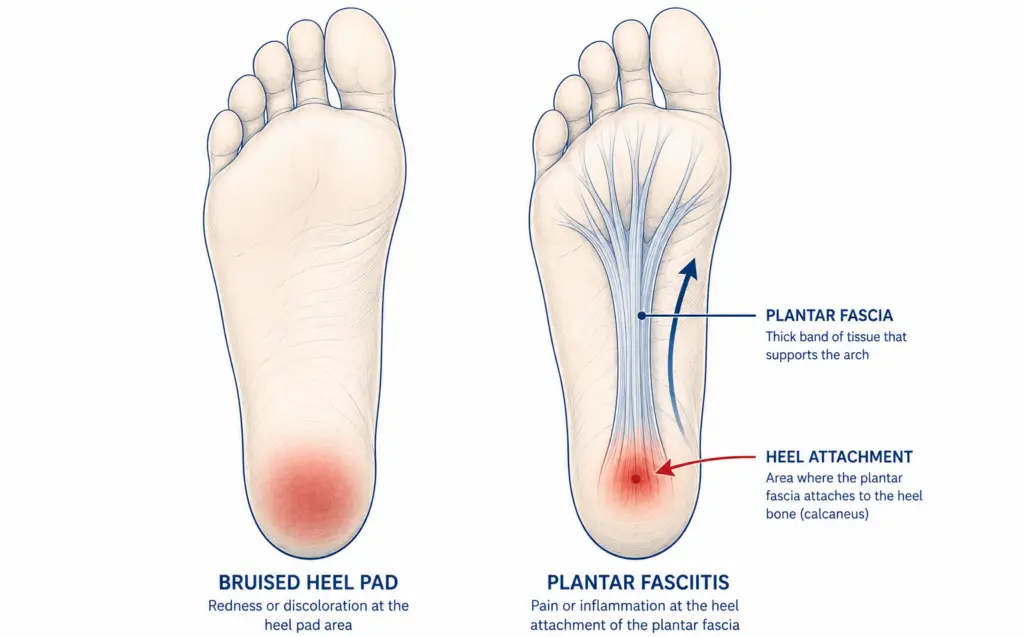
Plantar fasciitis is the most commonly confused condition. Both involve heel pain, but plantar fasciitis is classically worst during your very first steps in the morning and eases as you move around. A bruised heel, in contrast, tends to worsen the longer you stay on your feet.
A stress fracture is more serious and requires medical imaging to confirm. If squeezing the sides of your heel between your thumb and fingers triggers sharp pain, do not continue home treatment alone. Seek professional evaluation instead.
For a closer look at bone-related foot pain, our article on bone spur symptoms, causes and treatment explains how bony growths develop and how they differ from soft tissue injuries.
How to Prevent a Bruised Heel
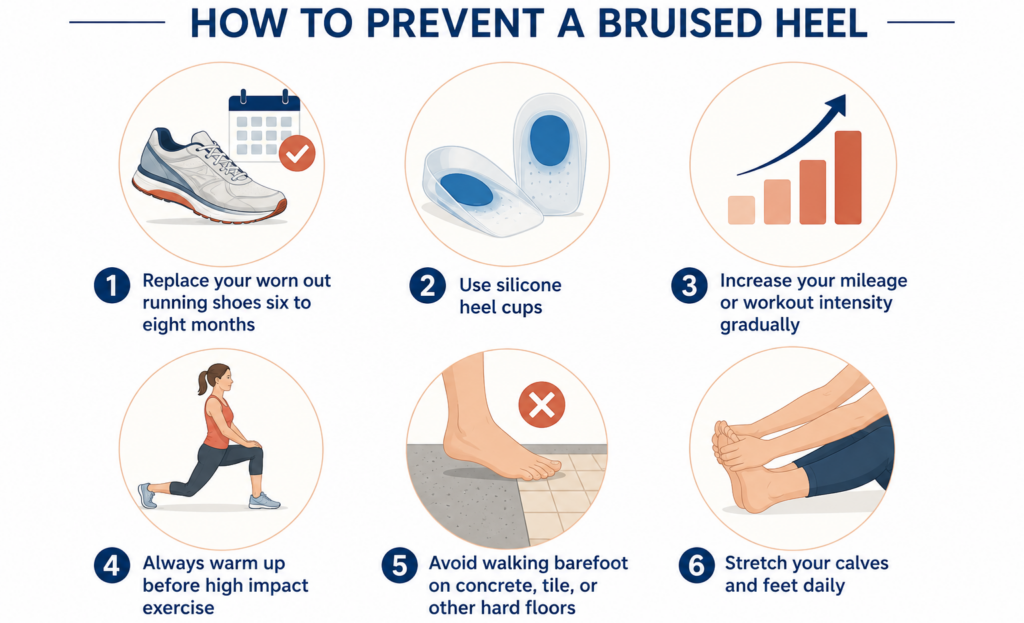
Prevention is far simpler than recovery. A few consistent habits protect the heel fat pad and significantly reduce the chance of this injury coming back.
- Replace your running shoes every 300 to 500 miles, or every six to eight months if you run regularly
- Add silicone heel cups or cushioned insoles to both athletic and everyday shoes
- Increase your running mileage or workout intensity gradually, no more than 10% per week
- Always warm up properly before high impact exercise to prepare the soft tissue
- Avoid walking barefoot on concrete, tile, or other hard floors, especially at home
- Stretch your calves and feet daily to keep the surrounding tissue flexible and resilient
If recurring foot discomfort is already part of your daily life, our article on pain in the second toe shows how different foot pain locations point to different underlying issues.
When to See a Doctor for a Bruised Heel
Home care handles most bruised heels effectively. Still, certain situations call for professional evaluation without delay.
See a podiatrist or doctor if you notice any of the following:
- Pain that does not improve after two to three weeks of consistent home treatment
- Severe swelling spreading well beyond the heel area
- Complete inability to bear any weight on the foot
- Sharp, bone-level pain when the sides of the heel are pressed together
- Numbness, tingling, or shooting sensations radiating through the foot
- A pop or snap felt or heard at the exact moment of injury
A podiatrist can perform an X-ray to rule out a calcaneal stress fracture. Custom orthotics or a heel support device may also be prescribed for persistent cases. In rare situations, a surgical procedure becomes necessary if the fat pad sustains significant structural damage.
If you are also dealing with other foot injuries alongside heel pain, our article on dislocated toe signs, treatment and recovery covers how foot injuries in general can worsen quickly without timely care. For questions around bone injuries specifically, our piece on flying with broken bones addresses related concerns.
Frequently Asked Questions
How long does a bruised heel take to heal?
A soft tissue bruised heel typically heals within one to three weeks with proper rest, icing, and supportive footwear. If the heel bone itself takes the bruise too, recovery can extend up to six weeks. Returning to high impact activity before full healing is complete often delays recovery significantly and risks reinjury.
Can I walk on a bruised heel?
You can walk on a bruised heel when the pain stays manageable, but cut down on time spent standing or walking on hard surfaces. Wear cushioned shoes or use a silicone heel cup for added padding. Avoid going barefoot on hard floors entirely until the pain has fully cleared up.
What does a bruised heel feel like?
A bruised heel causes deep, aching pain directly under the heel bone that sharpens each time weight goes on the foot. The area feels tender when pressed and may show mild swelling around the base of the heel. Some people also notice visible red or purple discoloration on the skin, though not always.
Is a bruised heel the same as plantar fasciitis?
No, these are two separate conditions. Plantar fasciitis involves inflammation of the connective tissue band along the bottom of the foot and is typically worst during the first steps in the morning. A bruised heel involves damage to the fat pad or bone and tends to worsen during and after physical activity rather than at rest.
Should I use heat or ice on a bruised heel?
Use ice during the first 48 to 72 hours after the injury to bring down swelling and numb the pain effectively. After that initial window, gentle heat can help relax the tissue and improve circulation to the area. Always wrap ice or a heat pack in a cloth first to protect your skin from burns.
When is a bruised heel actually a fracture?
A stress fracture of the heel causes more focused, bone-level pain that worsens consistently with activity rather than improving during movement. If squeezing the sides of your heel triggers sharp pain, if you cannot bear weight at all, or if swelling is severe and growing rather than reducing, seek medical care promptly. An X-ray provides the definitive answer between a bruise and a fracture.
Written by Theo James
The information on this page is for general educational purposes only and is not a substitute for professional medical advice, diagnosis, or treatment. Always talk with your doctor or another qualified healthcare provider about any questions you have regarding a medical condition. Never ignore professional medical advice or delay seeking it because of something you read on the internet.