
A rusty nail goes through your shoe, or a kitchen knife slips and cuts deeper than you expected. Your first thought is the pain, and your second is when to get a tetanus shot. Is this specific wound the kind that calls for one?
The answer depends on two things, how dirty the wound is and how long since your last booster shot. Once you know both, the decision becomes simple.
What Is a Tetanus Shot and Why Timing Matters
A tetanus shot protects you against tetanus, a serious nerve and muscle disease caused by bacteria called Clostridium tetani. These bacteria live in soil, dust, and animal waste, and they enter your body through breaks in the skin.
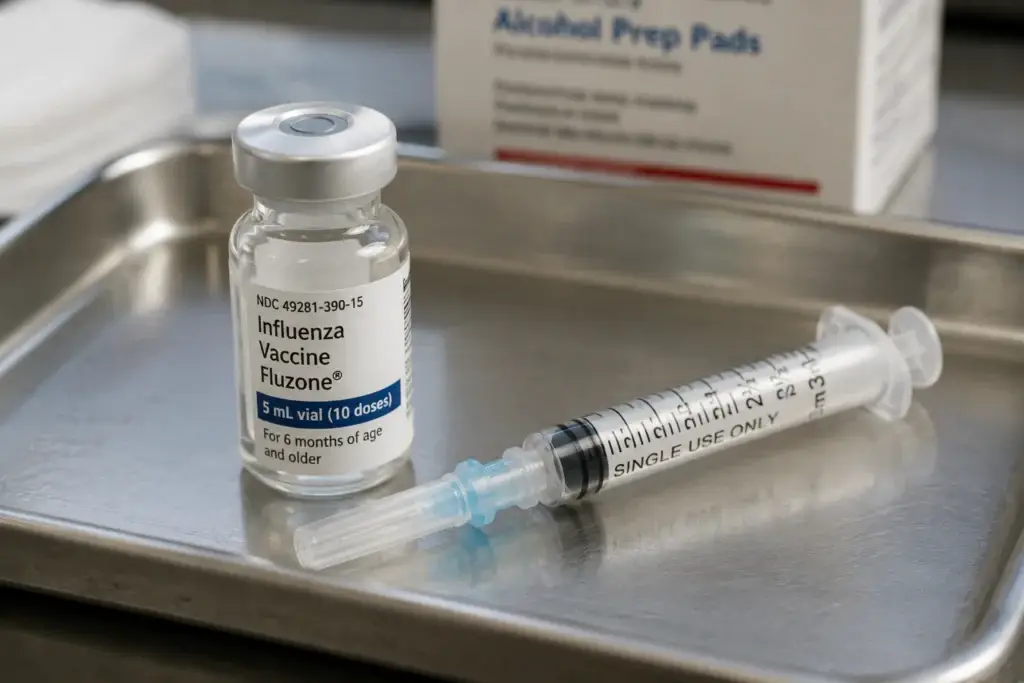
Once inside a wound, the bacteria release a toxin that attacks your nervous system. Early signs include jaw stiffness, also called lockjaw, along with neck stiffness and trouble swallowing, according to the CDC.
Left untreated, tetanus can cause severe muscle spasms and breathing problems. This is why timing matters so much. The vaccine works by preparing your immune system before the bacteria can spread their toxin. It does not work once symptoms start.
When to Get a Tetanus Shot After a Cut or Scrape
Doctors split this decision into two questions. How long has it been since your last tetanus shot, and how dirty or deep is the new wound?
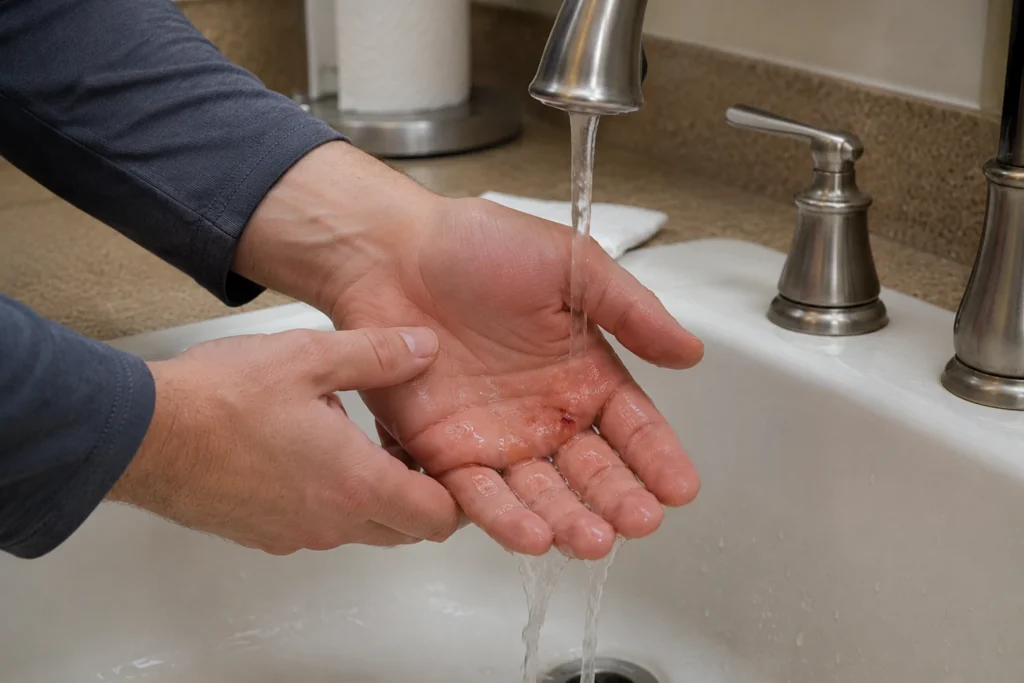
Clean, minor wounds are the easiest case. If it has been less than 10 years since your last booster, you likely do not need a new shot. If it has been 10 years or more, it is time for a booster.
Dirty, deep, or puncture wounds carry more risk. These include wounds with dirt, saliva, or animal waste inside them, animal bites, and wounds from rusty or contaminated objects. For these wounds, the 10 year window shrinks to 5 years.
The table below breaks down the timing clearly.
| Wound Type | Time Since Last Tetanus Shot | What You Need |
|---|---|---|
| Clean, minor cut or scrape | Less than 10 years | No booster needed |
| Clean, minor cut or scrape | 10 years or more | Get a booster |
| Dirty, deep, or puncture wound | Less than 5 years | No booster needed |
| Dirty, deep, or puncture wound | 5 years or more, or unsure | Get a booster within 48 hours |
| Never vaccinated, or unsure of your history | Any wound | Start the vaccine series right away |
Wounds that raise your risk include the following.
- Punctures from nails, needles, or splinters
- Animal bites or deep scratches
- Wounds with dirt, manure, or saliva inside them
- Burns or crush injuries
- Wounds you cannot clean right away
If your injury came from a sting or animal encounter, extra first aid steps may apply. Our guide on scorpion sting symptoms and treatment walks through those steps.
How Often Do You Need a Tetanus Shot
For most healthy adults, the CDC recommends a tetanus booster every 10 years. This keeps your immune protection strong even without a new injury.
If you have never received the Tdap vaccine as an adult, you need one dose of Tdap first. Tdap protects against tetanus, diphtheria, and whooping cough together. After that single dose, you can switch back to a plain Td or Tdap booster every 10 years.
Adults 65 and older have one extra consideration. The CDC notes that Boostrix is the preferred Tdap option for this age group. Any available Tdap shot still counts if Boostrix is not on hand.
Do You Need a Tetanus Shot for a Small Puncture or Scratch
Small scratches and shallow punctures are not automatically high risk. A lot depends on what caused them and how clean the area is.
A scratch from a cat, a thorny bush, or a paper edge rarely causes tetanus on its own. The skin barrier is barely broken, and there is little chance for bacteria to take hold deep inside.
A small puncture is different if it goes deep, came from a dirty object, or involved soil. Many people believe rust itself causes tetanus, but that is not accurate. The real risk comes from bacteria in soil, dust, or manure on the object, not the rust itself.
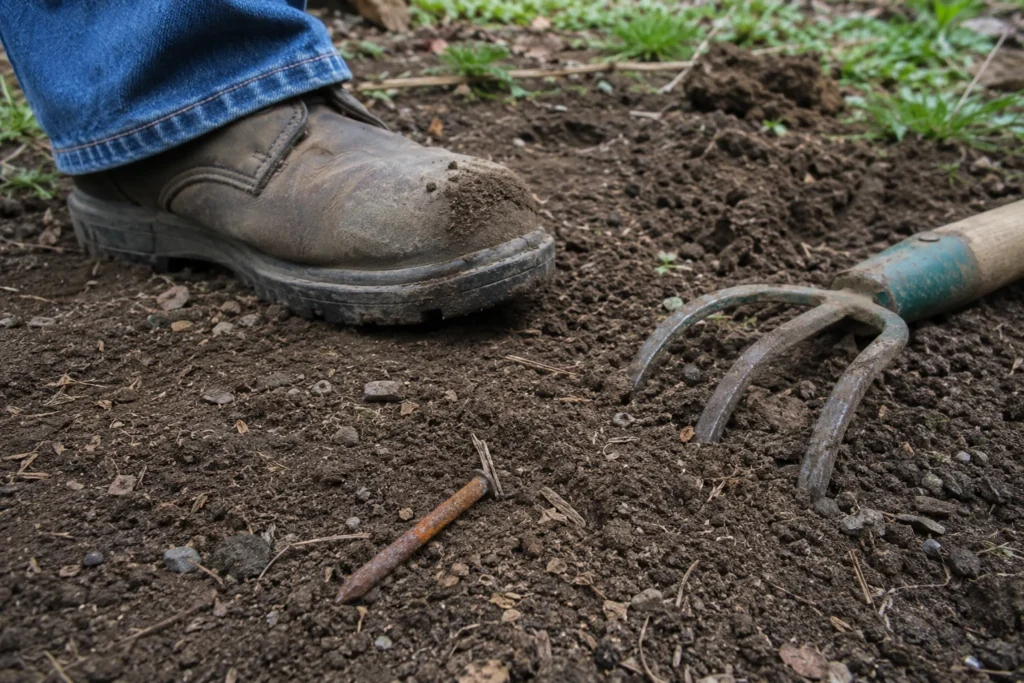
So the real question is not how big the wound looks. It is how deep it goes, what touched it, and when your last booster was given.
What Happens If You Wait Too Long
Tetanus does not show up right away. Symptoms usually appear 3 to 21 days after the bacteria enter your body. The average onset is 8 days.
By the time symptoms start, the disease is already serious. Watch for the following.
- Jaw and neck stiffness, known as lockjaw
- Trouble swallowing
- Muscle spasms or a rigid stomach
- Fever and a fast heartbeat
Tetanus is treatable, but it requires hospitalization. It is fatal in about 1 in 10 cases in the United States, per CDC data. Getting your shot before symptoms start is far safer than treating the disease after it develops.
Does the Tetanus Booster Hurt
Most people describe the shot itself as a quick pinch, similar to any other vaccine. The needle is in and out within seconds.

Soreness, redness, or mild swelling at the injection site is common for a day or two. This is normal, according to Cleveland Clinic. Some people also notice a mild headache or feel tired the day of the shot.
Serious reactions are rare. Call your doctor or seek emergency care if you notice severe swelling or trouble breathing. The same goes for a high fever after your shot.
Tetanus Shot Cost and Insurance Coverage
Cost is a real concern for a lot of people deciding when to get a tetanus shot. The good news is that most health insurance plans cover the vaccine at no cost. It counts as a recommended preventive service.
If you do not have insurance, pharmacies and urgent care clinics charge less than an emergency room. The same shot usually costs more at a hospital. Many community health centers also offer low cost options for uninsured patients.
Do not let cost stop you from treating a dirty or deep wound. Untreated tetanus risk is far more expensive, and far more dangerous, than the shot itself.
When to See a Doctor or Seek Emergency Care
Most clean, shallow wounds heal fine with basic first aid. But certain signs mean you need professional care quickly. Seek care right away if any of the following are true.
- You are unsure when you last had a tetanus shot
- The wound is deep, dirty, or will not stop bleeding
- You were bitten by an animal or another person
- Redness, swelling, or pus spreads around the wound
- You develop jaw stiffness, muscle spasms, or trouble swallowing
- You have a fever along with the injury
Redness, swelling, or drainage that spreads are signs of a wound infection. Our guide on infected tattoo signs and symptoms covers the same warning signs in more detail.
A foot or toe injury alongside your wound needs its own attention. Our guide on dislocated toe signs and recovery covers one common example. A separate guide on bruised heel causes and treatment covers another.
The Simple Way to Decide
Most cuts and scrapes do not need a trip to urgent care just for a tetanus shot. The decision comes down to two simple facts, the wound itself and your booster history. Clean wounds give you a 10 year window. Dirty, deep, or puncture wounds shrink that window to 5 years, or sooner if you are unsure of your history. When in doubt, call your doctor or visit urgent care. A quick check settles the question fast. Getting ahead of it is always safer than waiting for symptoms to start.
Frequently Asked Questions
How often do you need a tetanus shot?
Most healthy adults need a tetanus booster every 10 years. If you have a dirty or deep wound, your doctor may recommend one sooner. This applies if it has been more than 5 years since your last shot.
Can you get tetanus from a scratch?
It is possible, but unlikely from a minor, shallow scratch. Tetanus bacteria need a way into deeper tissue. A light scratch carries far less risk than a deep puncture or dirty wound.
Do I need a tetanus shot for a small puncture wound?
It depends on how deep the puncture is and what caused it. A puncture from a clean object is lower risk. One from a rusty nail, dirty tool, or animal bite is different. It usually calls for a booster if it has been 5 years or more since your last shot.
Does the tetanus booster hurt?
It feels like a quick pinch, the same as most vaccines. Your arm may feel sore or stiff for a day or two afterward, but serious side effects are rare.
How long after an injury should I get a tetanus shot?
Doctors recommend getting the shot within 48 hours of a wound that needs one. The sooner you get it after a high risk injury, the better your protection.
How do I know if I need a tetanus shot?
Think about two things, the wound itself and your vaccine history. A dirty or deep wound combined with a booster older than 5 years means it is time for a shot. The same is true for any wound at all once you pass the 10 year mark.