
A fresh cut can look scary even when it is healing just fine. Good wound care starts the moment skin breaks.
Knowing what normal healing looks like saves you a lot of worry. Maybe your scrape turned a strange shade of pink, or your stitches itch more than you expected. Those changes usually mean your body is doing exactly what it should.
What Counts as Good Wound Care
Wound care simply means cleaning, protecting, and watching an injury until new skin forms. Most small cuts, scrapes, and surgical incisions heal well with basic home care. Your skin moves through a set healing process no matter how the wound happened. Once you understand that process, changes in color, drainage, and feeling make a lot more sense.
Some wounds need more than a bandage and patience. Deep cuts, animal bites, and burns often need a professional to close them properly. The same goes for wounds on the face or near a joint. Surgical incisions and any wound from a dirty or rusty object carry extra risk too. The sections below walk through what to watch for at every stage.
The Stages of Wound Healing
Every wound, big or small, moves through four healing stages. Knowing the stages helps you judge whether your wound care routine is working or whether something is off track.
| Healing Stage | Typical Timeframe | What You Will Notice |
|---|---|---|
| Hemostasis | Minutes to hours | Bleeding slows and a clot forms over the wound |
| Inflammation | Day 1 to day 5 | Redness, warmth, mild swelling, clear or light yellow fluid |
| Proliferation | Day 5 to week 3 | New pink tissue fills in, edges pull together, a scab may form |
| Maturation | Week 3 to several months | Scar fades, skin regains strength, color evens out |
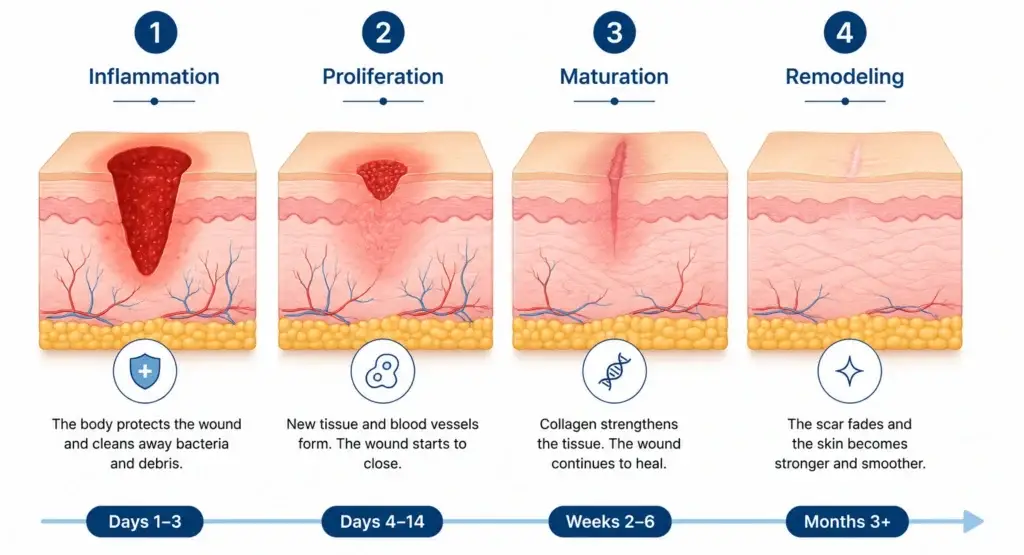
According to Johns Hopkins Medicine, this whole process keeps strengthening skin for up to a year after the wound closes. That is normal, so do not worry if a scar still looks pink or feels tight months later.
What Color Should a Healing Wound Be
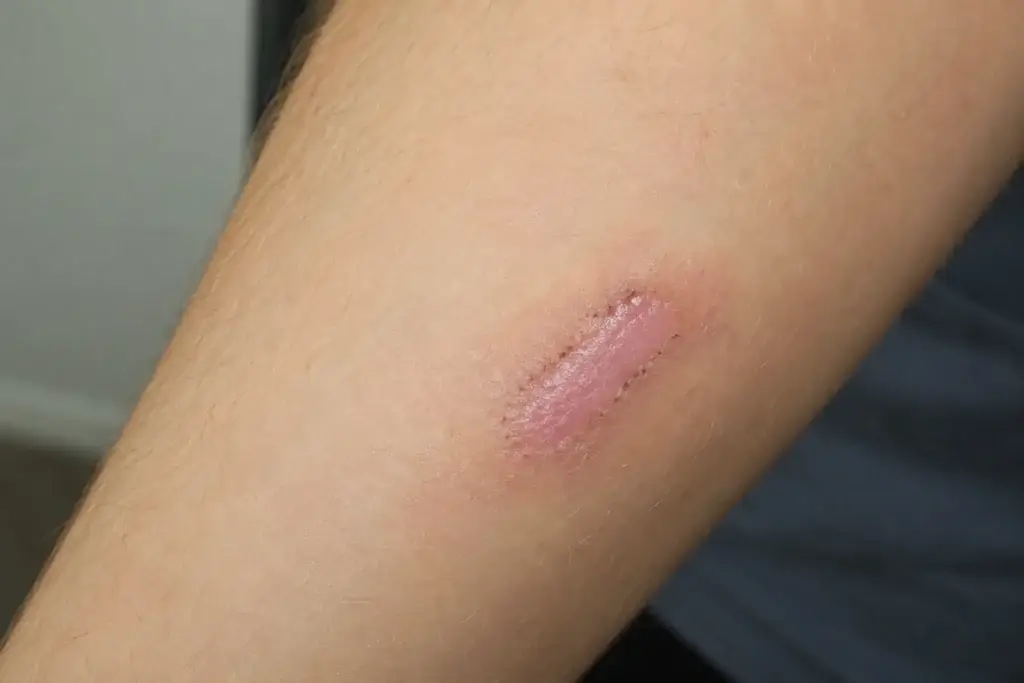
A healing wound changes color in a fairly predictable way. Right after an injury, blood pools and the area looks dark red or purple. Within a few days, a firm scab forms in a shade of dark red or brown. As new skin grows underneath, the area often looks pink, shiny, and slightly raised.
Use this quick color check as a guide.
- Dark red or brown scab in the first week, a normal sign of clotting and protection
- Pink or light red new skin underneath, a sign tissue is rebuilding
- Pale pink or light tan scar over the following months, normal fading
- Bright red spreading past the wound edge, a possible infection warning
- Green, yellow, or gray drainage with odor, a sign of infection according to Cleveland Clinic
- Black or dark leathery tissue, dead skin that needs medical attention
Color alone does not tell the whole story. Pair it with how the area feels. A wound that looks slightly red but feels less painful every day is still on track.
Keep in mind that bruising follows its own color pattern, separate from a scab. According to MedlinePlus, a bruise often shifts color as it heals. It typically moves from red or purple to blue within the first few days. From there it shifts to green, then to yellow or light brown over about two weeks. That greenish yellow shift is a normal part of bruise healing, not a sign of infection.
How Long Does a Deep Cut Take to Heal
Most deep cuts close on the surface within one to three weeks. Proper cleaning and a snug bandage speed up that timeline considerably, according to Mayo Clinic. Full strength underneath the skin takes much longer to rebuild.
A deep cut reaches about 80 percent of its original strength around the three month mark. Scar tissue keeps maturing for up to a year. Several factors can stretch that timeline out.
- Wound depth and size, since deeper cuts need more new tissue
- Location on the body, as wounds over joints stretch and heal slower
- Age, because skin rebuilds more slowly later in life
- Health conditions such as diabetes or poor circulation
- Smoking, which limits blood flow to healing tissue
- Whether a doctor closed the cut with stitches, staples, or skin glue
Deep or dirty cuts also raise the question of tetanus. If you cannot remember your last booster, home care alone may not be enough. Check out our guide on when to get a tetanus shot to find out for sure.
Scabs on Your Face
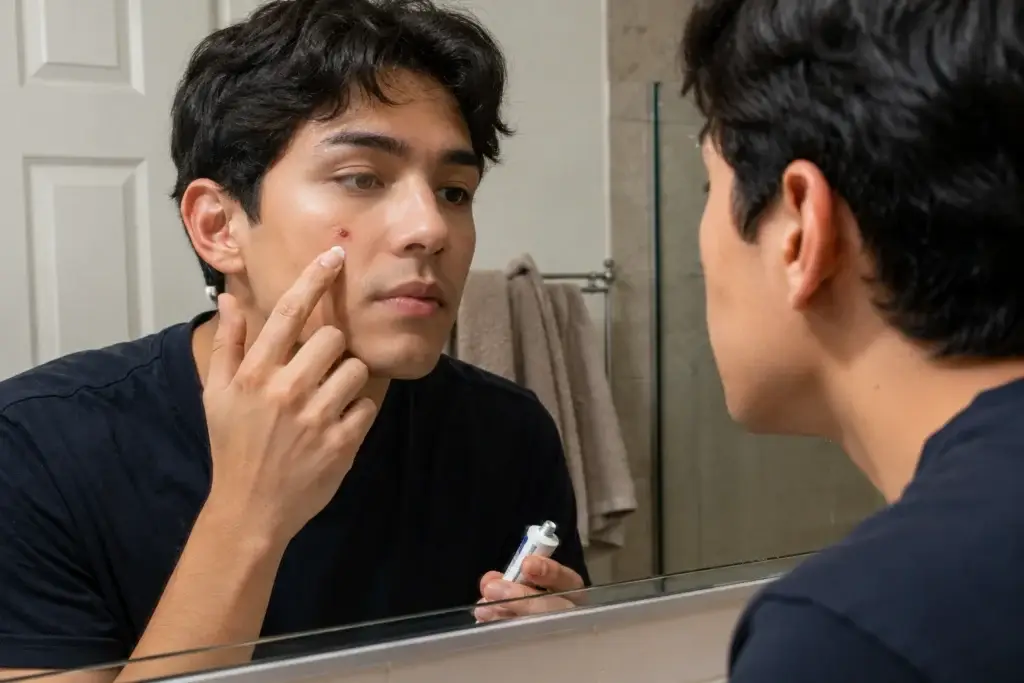
Scabs on your face often form from acne, a small cut, or dry cracked skin. Facial skin heals faster than skin elsewhere because it has a rich blood supply. That speed will not help much, though, if you keep picking at it.
Common causes include the following.
- Acne related scabs, usually from popping or picking a blemish
- Dry skin scabs, common in winter or after sunburn
- Small cut or scrape scabs, from shaving or minor accidents
- Picked or reopened scabs, which heal slower and scar more often
Picking a facial scab is one of the biggest causes of scarring, according to Cleveland Clinic. It also opens the door for bacteria, which can turn a small scab into an infected pimple. Keep the area clean, apply a thin layer of petroleum jelly, and resist the urge to pick.
The same rule applies to other skin growths. Picking or cutting one off yourself raises a similar risk. This guide on skin tag removal methods is worth a look before you try anything at home.
How to Know If Your Incision Is Healed
Surgical incisions follow the same stages as any other wound, just on a bigger scale. The skin usually closes within two weeks. Deeper tissue needs six to eight weeks to firm back up, according to Cleveland Clinic.
Your incision is healing well if you notice the following signs.
- Edges stay together with no gaps or pulling
- Swelling and bruising fade a little more each day
- Pain lessens steadily instead of getting worse
- Drainage, if any, stays thin and clear or light yellow
- The scar gradually flattens and lightens in color
Watch for the opposite pattern too. Call your surgeon if an incision starts separating or oozes pus. Do the same if skin around it turns hot and swollen days after surgery. That combination can point to a wound infection or, in rare cases, dehiscence, where the incision reopens.
Daily Wound Care Steps That Speed Healing
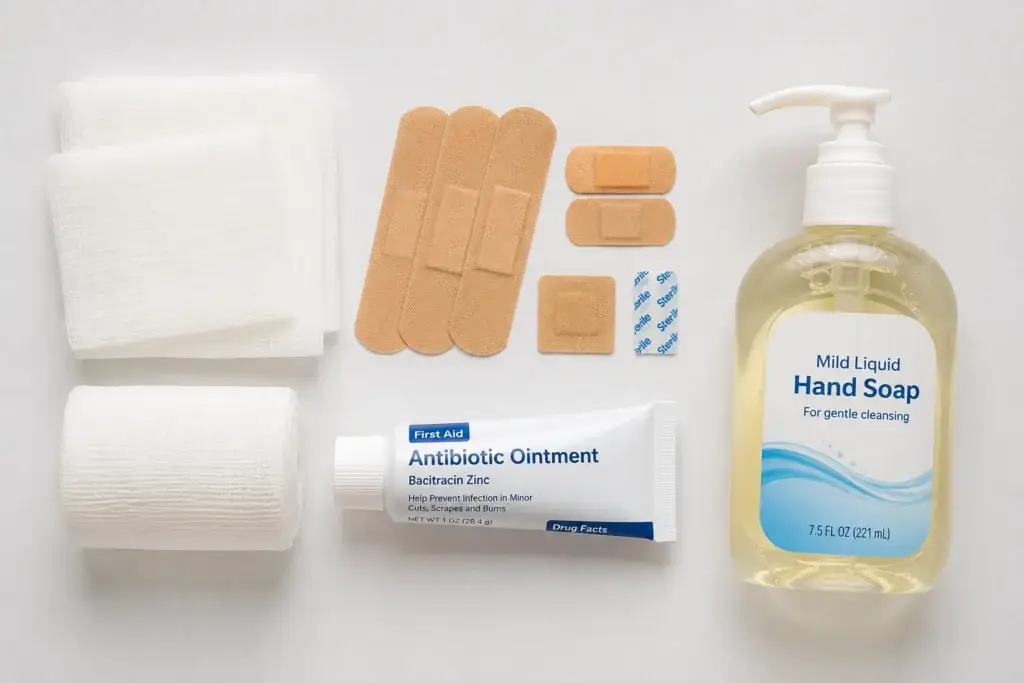
A consistent routine matters more than any fancy product. Most minor wounds heal well with these simple steps.
- Wash your hands before touching the wound
- Rinse the area with clean water and mild soap
- Pat dry with a clean cloth instead of rubbing
- Apply a thin layer of petroleum jelly or antibiotic ointment
- Cover with a bandage and change it once a day
- Keep the area dry during the first few days
Friction and moisture slow healing down, so loose clothing and breathable bandages help. If your wound came from rubbing shoes, this guide on stopping shoes from blistering can help you avoid round two.
Stings and bites need a slightly different first step. Cool the area and clean it right away. That first step is also covered in our guide on treating a scorpion sting. Then follow the same bandage and watch routine described above.
What you eat also plays a role in how fast a wound closes. Protein helps build new tissue. Vitamin C and zinc support collagen production, according to research published by the National Institutes of Health. Staying hydrated keeps skin more elastic and better able to repair itself. None of this replaces good bandage care. It simply gives your body the raw materials it needs to do the work.
Signs of an Infected Wound
A little redness and warmth in the first two days is normal. Infection looks different, and it tends to get worse instead of better.
Watch for these warning signs.
- Redness that spreads outward instead of staying put
- Increasing pain after day three, instead of easing up
- Thick yellow, green, or gray drainage with a bad smell
- Warm, swollen skin around the wound
- Fever or chills
- A wound that will not close after two weeks
These same warning signs apply to wounds you might not think of as wounds, like a new tattoo. For a closer look at how that plays out, this breakdown of infected tattoo signs and symptoms covers it well.
When to See a Doctor for a Wound
Most cuts and scrapes never need a doctor visit. Some signs, though, mean it is time to get checked out.
Get medical care if you notice the following.
- The wound will not stop bleeding after 10 minutes of firm pressure
- You can see fat, muscle, or bone
- The cut came from a rusty, dirty, or animal related source
- You have not had a tetanus booster in the last five to 10 years
- Signs of infection show up or get worse
- You have diabetes, a weak immune system, or poor circulation
Not every concerning sign needs an ambulance. Urgent care can usually handle wounds that need stitches, a tetanus booster, or early signs of infection. Head to the emergency room for heavy bleeding that will not stop. The same goes for a deep wound from a serious accident or signs of a severe allergic reaction.
When in doubt, get it checked. A same day visit is much easier than treating a wound infection that has spread.
Frequently Asked Questions
What color should a healing wound be?
A healing wound is usually dark red or brown while the scab forms, then turns pink as new skin grows underneath. Bright red spreading past the edges, green or yellow drainage, or black tissue are not normal and need attention.
How long does a deep cut take to heal?
Most deep cuts close on the surface within one to three weeks. The tissue underneath keeps rebuilding strength for up to a year, so a fresh scar can stay sensitive for months.
Why do scabs on my face keep coming back?
Recurring facial scabs usually point to picking, ongoing acne, or very dry skin. Each time a scab gets picked or reopened, the area has to restart the healing process, which raises the odds of scarring.
How do I know if my incision is healed?
A healed incision has closed edges, fading color, and pain that has mostly disappeared. The surface usually closes within two weeks, but deeper tissue needs six to eight weeks to fully firm up.
Is it normal for a healing wound to itch?
Yes, mild itching is a common part of wound care once new skin and nerve endings start forming. Scratching can reopen the area, so a light tap or a cold compress works better than scratching.
When should I worry about a wound?
Worry if pain increases after day three, drainage turns thick or smelly, redness spreads, or you develop a fever. Any of these signs call for a same day visit to a doctor or urgent care.