
Pronation is the natural inward roll your foot makes with every step. Too much inward roll is overpronation, and too much outward roll is supination. You can identify your type at home in two minutes with the shoe wear check and the wet foot test below, and the right shoes and exercises correct most cases.
Most people have heard the word pronation but few know what it actually does. Both overpronation and supination can lead to real pain in your feet, ankles, knees, and lower back over time. Finding your pattern is the first step to fixing it.
What Is Pronation in the Foot
Pronation starts the moment your heel hits the ground. Your foot rolls slightly inward to spread the force of impact across your arch. Then your weight shifts forward and you push off from your toes. According to the Cleveland Clinic, this normal inward roll is a healthy part of walking and running.
The problem begins when that roll goes too far in one direction. Excessive movement puts extra strain on your muscles, tendons, and joints. Over time, that repeated stress causes pain and injury. So while some pronation is essential, abnormal pronation of the foot disrupts your entire gait pattern.
Supinate vs Pronate: What Is the Difference
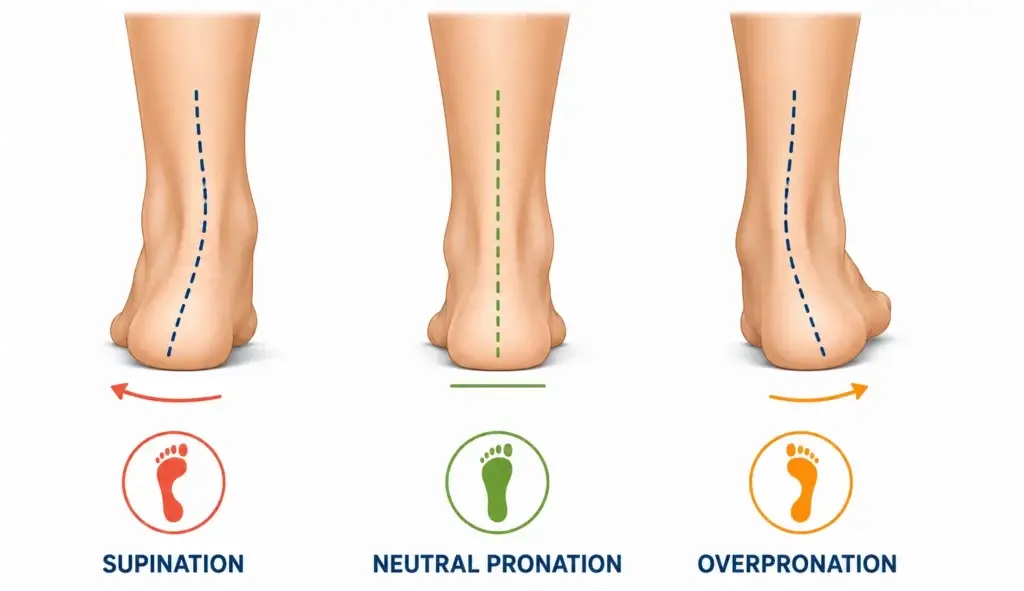
These two conditions sit at opposite ends of a spectrum. Overpronation means your foot rolls too far inward during movement. Supination, also called underpronation, means your foot rolls too far outward. Both patterns throw off your natural gait and put stress on different parts of your body.
Here is a quick side by side comparison:
| Overpronation | Supination | |
| Foot roll direction | Rolls inward | Rolls outward |
| Arch type | Low or flat arch | High arch |
| Shoe wear pattern | Inner edge of sole | Outer edge of sole |
| Common injuries | Plantar fasciitis, shin splints, knee pain | Ankle sprains, stress fractures, IT band pain |
| Most common in | Flat feet, obesity, pregnancy | High arches, history of ankle sprains |
Together, these two patterns account for a large share of chronic foot and lower limb pain in active adults.
The 2 Minute Home Test: Which Pronation Type Are You?
You do not need special equipment to get a solid answer. Run through these three checks in order, and by the end you will know your likely pattern.
Step 1: Flip Your Shoes Over
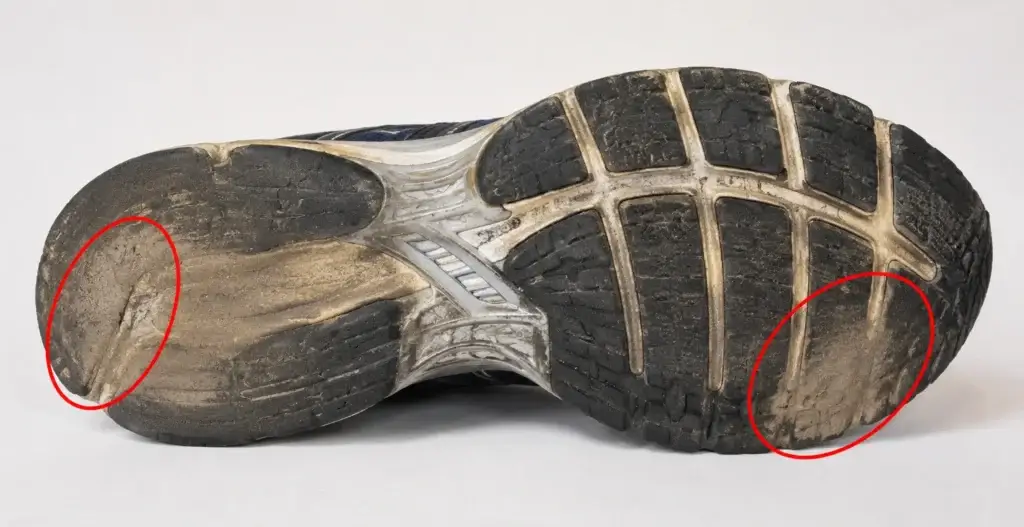
Take your most worn pair of everyday or running shoes and look at the soles.
- Wear concentrated along the inner edge, especially under the ball of the foot and inner heel, points to overpronation
- Wear concentrated along the outer edge, from the outer heel up the side, points to supination
- Even wear across the heel and forefoot suggests a neutral gait
Shoes hold months of evidence about your gait, which makes this the single most reliable home check.
Step 2: The Wet Foot Test
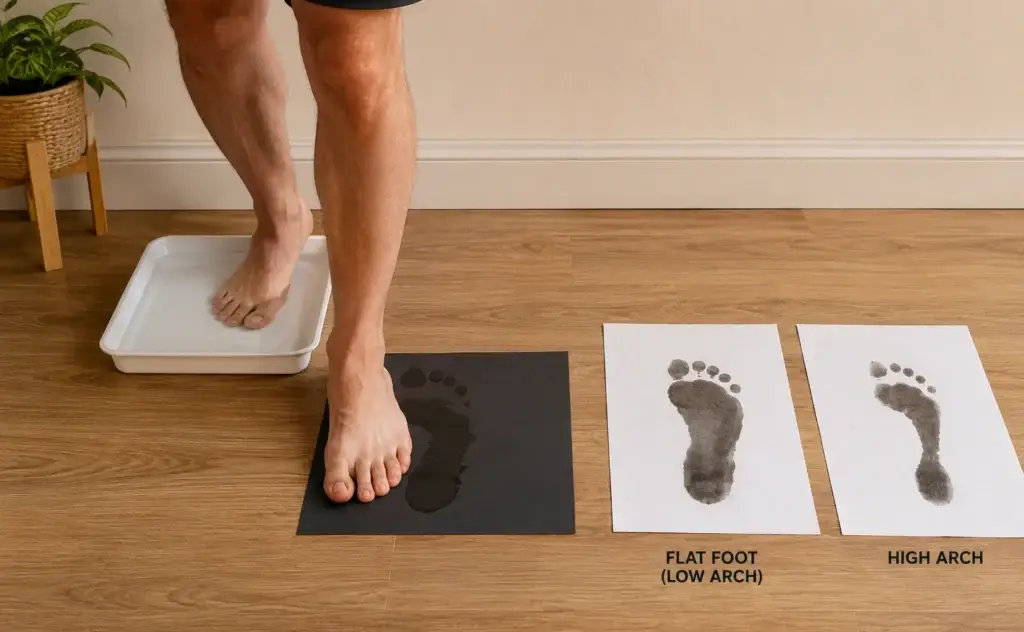
Wet the sole of your bare foot and step firmly onto a piece of dark cardboard or thick paper. Step off and look at the print.
- A full, wide print with almost no curve on the inner side. Your arch flattens under load. This suggests flat feet and likely overpronation.
- A moderate print with a clear curve on the inner side, roughly half the arch filled in. This is the neutral footprint. Your pronation is probably normal.
- A thin strip connecting the heel and the ball of the foot, with most of the arch missing. This is a high, rigid arch and points toward supination.
Test both feet. Many people have a stronger pattern on one side, and that side is usually where the pain shows up.
Step 3: Film Your Walk
Set your phone on the floor and film yourself walking away from the camera on a flat surface, barefoot or in socks. Watch your ankles in slow motion.
- Ankles tilting inward as you load each step signal overpronation
- Weight visibly staying on the outer edge of the foot signals supination
If all three checks agree, you have your answer. If they conflict, or pain is already limiting you, a podiatrist can run a professional gait analysis for a definitive result. Understanding your pronation type also connects to broader patterns of health. Our guide to what your feet say about your health goes deeper into what those signals mean.
Signs of Overpronated Feet
Overpronation is the more common of the two conditions. You may not notice it until pain shows up somewhere unexpected. Common signs of overpronated feet are:
- Faster wear on the inner edge of your shoe soles
- Ankles that tilt or lean inward when you stand
- Flat feet or arches that touch the floor completely
- Pain along the inner ankle, heel, or the bottom of your foot
- Knees that track inward when you squat or walk downstairs
Heel pain is often one of the first signals. Our article on bruised heel causes and treatment covers the different types of heel pain and what each one means for your foot health.
Signs of Ankle Supination
Supination is less common but often causes more sudden injuries. Because your foot never fully absorbs shock, the outer structures carry all the force with each step. Common signs include:
- Wear concentrated on the outer edge of your shoe soles
- Repeated ankle sprains, especially when rolling outward
- Pain along the outside of the foot or lower leg
- Visibly high and rigid arches
- Tight calves and a stiff Achilles tendon
Both conditions also create uneven pressure inside your shoes. That pressure tends to cause blisters in the same spots repeatedly. Our guide to how to stop shoes from blistering gives practical steps to reduce that friction and protect your skin.
Are Bowlegs Linked to Supination or Pronation
Bowlegs, known medically as genu varum, are a leg alignment condition where the knees bow outward even when your feet are together. That outward alignment naturally shifts body weight toward the outer edge of the foot. As a result, people with bowlegs tend to supinate rather than overpronate.
However, some people with bowlegs compensate for that outward shift by rolling their feet inward. This compensation can create a mixed gait pattern. A podiatrist can assess your movement and tell you exactly which type of pronation applies to you.
What Problems Can Pronation Issues Cause
Your foot is the foundation of your entire lower body. When that foundation rolls too far in either direction, the effects travel upward through your ankles, knees, hips, and spine.
Research published on PubMed links abnormal foot pronation to higher rates of joint disorders and ongoing pain. The longer it goes untreated, the wider the impact on your body.
Common problems from overpronation:
- Plantar fasciitis and persistent heel pain
- Shin splints and Achilles tendinitis
- Bunions forming along the big toe joint
- Knee and hip pain
- Lower back aches
Common problems from supination:
- Repeated ankle sprains and joint instability
- Stress fractures in the foot or lower leg
- Iliotibial band syndrome along the outer knee
- Metatarsalgia, or pain in the ball of the foot
- Calluses building up on the outer edge of the foot
Prolonged stress from abnormal pronation can also cause bone spurs to grow on the heel or arch. Our article on bone spur symptoms and treatment explains how they develop and what your options are.
Which Shoes Should You Buy for Your Pronation Type
Your shoes are the most immediate fix available, and shoe companies label their models for exactly this purpose. Match the label to your test result.
| Your Test Result | Shoe Type to Look For | What It Does |
| Overpronation, mild | Stability shoes | Firmer foam on the inner side slows the inward roll |
| Overpronation, strong or flat feet | Motion control shoes | Maximum structure to stop the arch collapsing |
| Neutral | Neutral shoes | Balanced cushioning with no corrective structure |
| Supination | Neutral cushioned shoes | Extra shock absorption the rigid arch cannot provide |
Two rules apply to every type. Supinators should not buy stability or motion control shoes, because those push the foot further outward. And replace worn shoes promptly, because the support structure breaks down long before the upper looks visibly damaged.
Other Treatment Options for Pronation Problems
Both overpronation and supination respond well to conservative care. Most people see clear improvement by making a few targeted changes.
Orthotics
Orthotic inserts help realign your foot position inside the shoe. For overpronation, they add arch support to prevent the inward collapse. For supination, they cushion the outer foot and redistribute pressure more evenly. Medical News Today reports that orthotics are among the most effective first line options for managing both conditions. They work without surgery and suit most people well.
Exercises
Strengthening the muscles around your foot and ankle can correct your pronation pattern over time. Targeted physical therapy that works the feet, hips, and core together produces measurable improvement within a few months for most people.
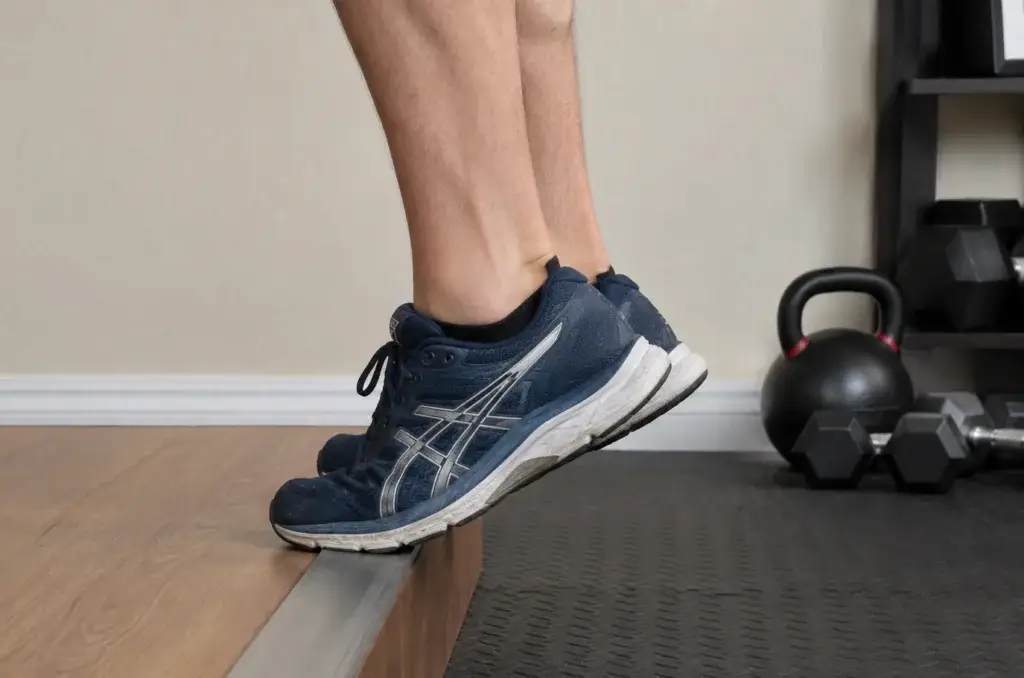
For overpronation, try:
- Calf raises to lift and strengthen the arch
- Single leg balance holds to build ankle stability
- Towel scrunches with your toes to activate deep foot muscles
For supination, try:
- Ankle inversion exercises with a resistance band
- Calf and Achilles stretches to improve flexibility
- Foot rolling on a tennis ball to release tight fascia
When to See a Doctor
Rest and supportive shoes fix many mild pronation issues. But you should see a podiatrist or orthopedic specialist if any of these apply:
- Foot, ankle, or knee pain persists for more than two to three weeks despite rest
- You experience repeated ankle sprains or suspect a stress fracture
- Supportive footwear and over the counter orthotics bring no relief
- You notice a sudden change in how you walk or your foot shape
- Pain stops you from walking, exercising, or completing daily tasks
Toe pain alongside foot pain is also worth investigating. Our article on pain in the 2nd toe covers several causes that connect directly to your gait and pronation patterns.
Frequently Asked Questions
What does pronation of the foot mean?
Pronation of the foot is the natural inward rolling movement your foot makes when you walk or run. It helps absorb impact and distribute body weight across your arch. Problems develop when this rolling becomes excessive, which is overpronation, or when the foot rolls outward too far instead, which is supination.
What is overpronation and what causes it?
Overpronation means your foot rolls too far inward with each step, causing your arch to flatten under your weight. It is most common in people with flat feet, those who carry extra body weight, and women during pregnancy. Running on hard surfaces for extended periods also raises the risk.
What is supination of the foot?
Supination, or underpronation, happens when your foot rolls too far outward during movement. It is more common in people with high arches and often runs in families. Because the foot absorbs less shock, supination raises the risk of ankle sprains and stress fractures.
How do I know if I overpronate or supinate?
Check the sole wear on your shoes. Inner edge wear points to overpronation. Outer edge wear points to supination. You can also do the wet foot test at home, or see a podiatrist for a professional gait analysis to get a clear and definitive answer.
What do the wet foot test results mean?
A full, wide footprint with the arch area filled in suggests flat feet and overpronation. A print showing about half the arch is neutral. A thin strip between the heel and ball of the foot means a high arch and likely supination. Test both feet, because many people have a stronger pattern on one side.
Do supinators need stability shoes?
No, the opposite. Stability and motion control shoes are built to slow the inward roll of overpronation, and they push a supinated foot even further outward. Supinators should choose neutral shoes with generous cushioning to replace the shock absorption their rigid, high arch cannot provide.
Are bowlegs linked to supination or pronation?
Bowlegs tend to push body weight toward the outer edge of the foot, which encourages supination. However, some people with bowlegs compensate with an inward foot roll that resembles overpronation. A podiatrist can analyze your gait and identify which pattern you actually have.
Can pronation problems be treated without surgery?
Yes. Most people with overpronation or supination improve with supportive footwear, orthotics, and targeted exercises. Surgery is rarely needed and doctors only consider it when all conservative approaches have not worked over an extended period.
Written by Tejanshu Jaluthria, Editor, Banner Health. Last updated: July 15, 2026.
Every claim in this article is checked against the sources linked throughout, including the NIH, FDA, WHO, the American Academy of Orthopaedic Surgeons and Mayo Clinic. Read more about how we review our content.
Disclaimer: The information on this website is for general educational purposes only and is not a substitute for professional medical advice, diagnosis, or treatment. Always talk with your doctor or another qualified healthcare provider about any questions you have regarding a medical condition. Never ignore professional medical advice or delay seeking it because of something you read on the internet.