
A sore hip, a recent surgery, or simple aging can make a bathroom trip feel hard. A raised toilet seat fixes that problem. It adds height so you can sit and stand with less strain on your knees, hips, and back.
This simple upgrade works for short term recovery or everyday comfort. This guide covers what a raised toilet seat is and who needs one. You will also see the types, sizing, and how to pick the right style for your bathroom. We cover cost, insurance, and safety tips too.
What Is a Raised Toilet Seat
A raised toilet seat adds extra height on top of your toilet bowl. Some people call it a toilet riser, a hi rise toilet seat, or a toilet height extender. All three names point to the same product, and the added height means less bending for your hips and knees.
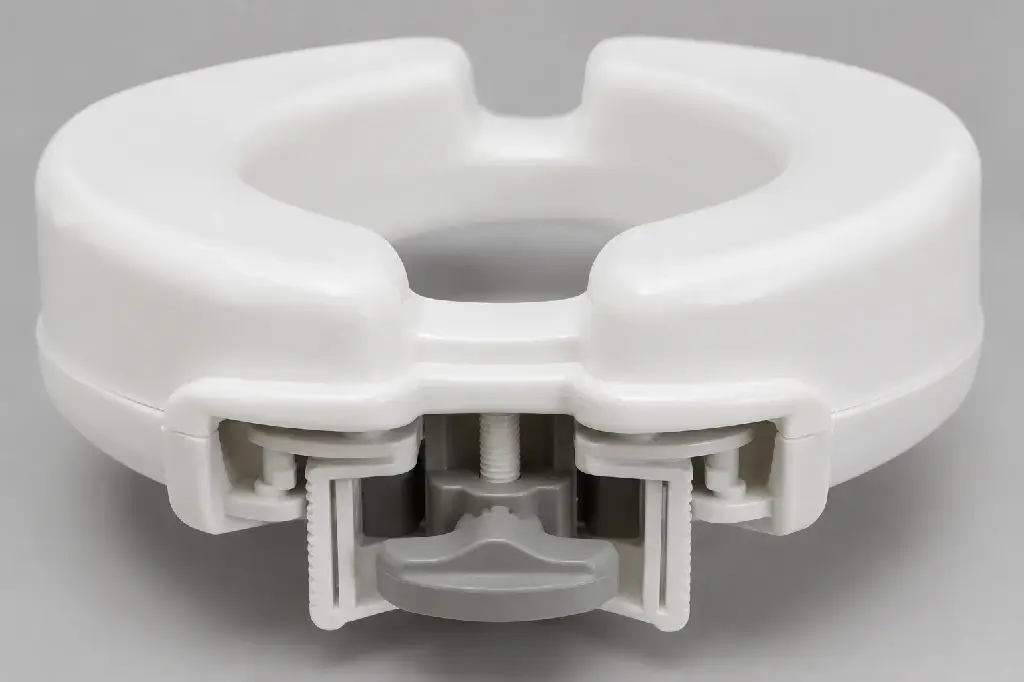
Most models add two to six inches of height. Many include armrests or side handles, and this style is often sold as a raised toilet seat with arms. Locking clips or bolts keep the seat steady on the bowl.
Raised Toilet Seat vs a Tall Toilet
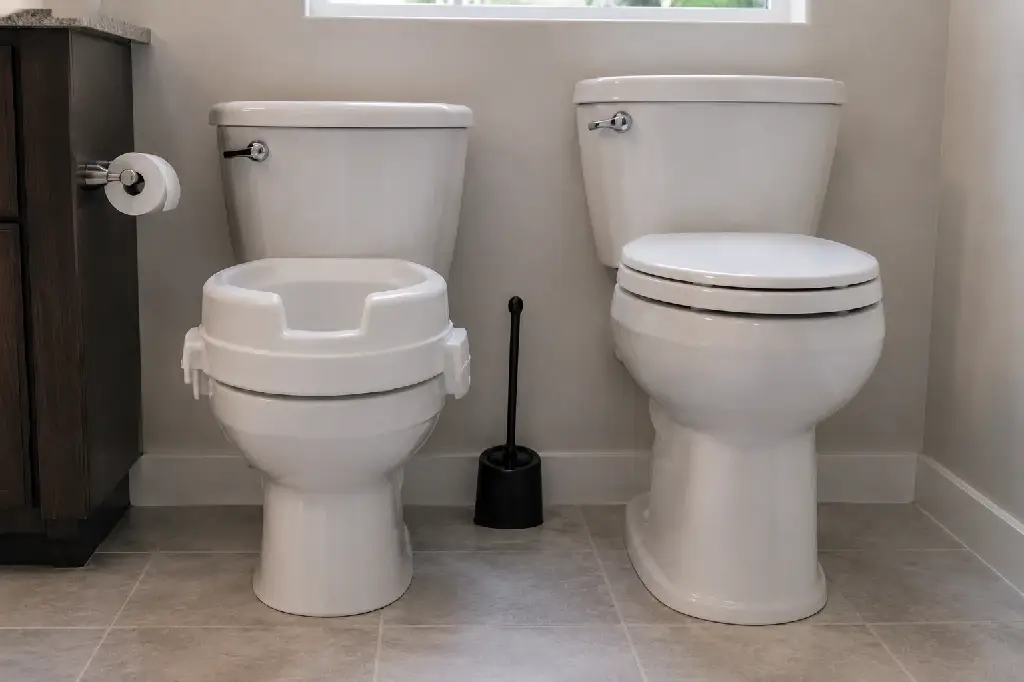
A raised toilet seat is an item you add to your current toilet. A tall toilet, also called a comfort height toilet, is a full replacement built taller from the factory. Both solve the same problem, but they fit different budgets and timelines.
You may also see the term high tank toilets online. That phrase describes older toilets with a water tank mounted high on the wall, not seat height. Do not confuse the two when you shop.
If you want a permanent fix, look for high seated toilets. These match the tall toilet height range used in accessible design. The table below compares your two main options.
| Feature | Raised Toilet Seat or Riser | Tall or Comfort Height Toilet |
|---|---|---|
| Height added | 2 to 6 inches above your current seat | Built at 17 to 19 inches total floor to seat |
| Installation | Clips, locks, or bolts on in minutes | Full plumbing replacement |
| Upfront cost | Lower cost, good for short term use | Higher cost, but a permanent fix |
| Best for | Renters, recovery periods, testing a height | Owners who need the height every day long term |
| Portability | Easy to remove or pack for travel | Fixed in place once installed |
The 17 to 19 inch range comes from accessible design standards. The U.S. Access Board sets these ADA accessibility guidelines. Standard home toilets usually measure 14.5 to 15.5 inches. A riser may still add a few extra inches for some users.
Who Benefits from a Raised Toilet Seat
A raised toilet seat helps many people, not only older adults. You may benefit if you fall into one of these groups.
- Adults recovering from hip, knee, or back surgery
- Seniors with reduced leg strength or balance trouble
- People living with arthritis, sciatica, or chronic joint pain
- Pregnant women in the later trimester
- Anyone tall or short whose current toilet feels uncomfortable
- Caregivers who assist someone with limited mobility
Falls are a serious risk for older adults, and the bathroom is one of the most common places falls happen. According to the CDC, more than one in four adults aged 65 and older falls each year. These falls send about three million older adults to the emergency room every year. A raised toilet seat removes one of the biggest fall triggers in the home. That trigger is the deep bend needed to use a low toilet.
How a Raised Toilet Seat Protects Your Joints and Lowers Fall Risk
Bending your hip or knee too far stresses a joint that is healing or inflamed. A raised toilet seat shortens that bend. Your muscles and joints do less work each time you sit or stand.
The 90 Degree Rule After Hip or Knee Surgery
Many surgeons ask patients to avoid bending the hip past 90 degrees after a hip replacement. This rule usually applies for several weeks after surgery. NIH MedlinePlus advises patients to use a raised toilet seat during this time. It keeps their knees lower than their hips, which lowers the risk of the new joint slipping out of place.
Knee replacement patients face a similar concern. A raised toilet seat keeps the knee from folding too far, which protects fresh stitches and reduces pain. If you also tape or brace your knee, our guide on how to tape a knee can help. It shares safe techniques for added support.
Cutting Your Fall Risk in the Bathroom
Wet floors, low seats, and poor lighting all raise your odds of a fall. The National Institute on Aging recommends pairing a raised toilet seat with grab bars and non slip mats. This combination gives the biggest safety gain. Good lighting and a clear path to the toilet matter just as much as the seat itself.
Types of Raised Toilet Seats
Manufacturers sell several styles. The right one depends on your strength, balance, and budget.
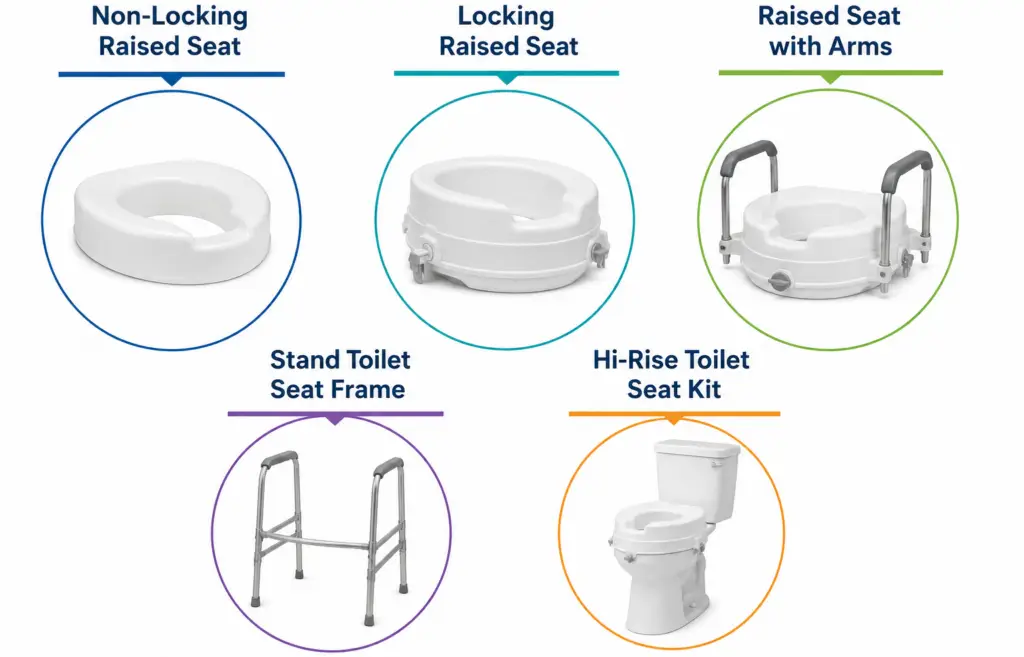
- Non locking seats rest on top of the bowl without bolts. They suit people with steady balance who just need a height boost.
- Locking seats clip or bolt onto the bowl so they cannot shift. They are a safer pick for daily use.
- A raised toilet seat with arms adds side handles you can push against to sit or stand. This style works well after surgery.
- Stand toilet seat frames use a freestanding metal frame around the toilet. This gives you a sturdy grip from every angle.
- Hi rise toilet seat kits bundle a riser with a new lid. This is often the most budget friendly option.
Each type can also come in round or elongated shapes. Always check your current seat shape before you order.
How to Choose the Right Raised Toilet Seat
A few quick checks will save you a return trip to the store.
- Measure your bowl shape first. Round seats run about 16.5 inches long, and elongated seats run about 18.5 inches long.
- Pick a height of 2, 4, or 6 inches based on how much help you need.
- Choose a model with arms if you lack upper body strength or had recent surgery.
- Check the weight rating before you buy. Standard seats often hold 250 to 300 pounds, while bariatric versions hold more.
- Look for slip resistant pads on the underside. These stop the seat from twisting during use.
- Decide between a locking seat for daily use and a non locking seat for short term recovery.
Cost and Insurance Coverage for a Raised Toilet Seat
Most raised toilet seats cost far less than a new toilet. This makes them an easy first step for many households. Insurance coverage, though, can be limited.
Original Medicare treats a raised toilet seat as a convenience item, so Part B usually will not pay for one. Some Medicare Advantage plans offer an over the counter allowance instead. This allowance can cover the cost, so check your plan benefits first.
Many flexible spending and health savings accounts allow raised toilet seats as an eligible purchase. The IRS treats them as medical care items. Save your receipt and check with your plan administrator before you buy.
Tips for Using Your Raised Toilet Seat Safely
Buying the right seat is only half the job. Setting it up and using it correctly matters just as much.
- Test the seat for wobble before you sit down fully.
- Tighten clips or bolts again after the first few uses, since seats can loosen over time.
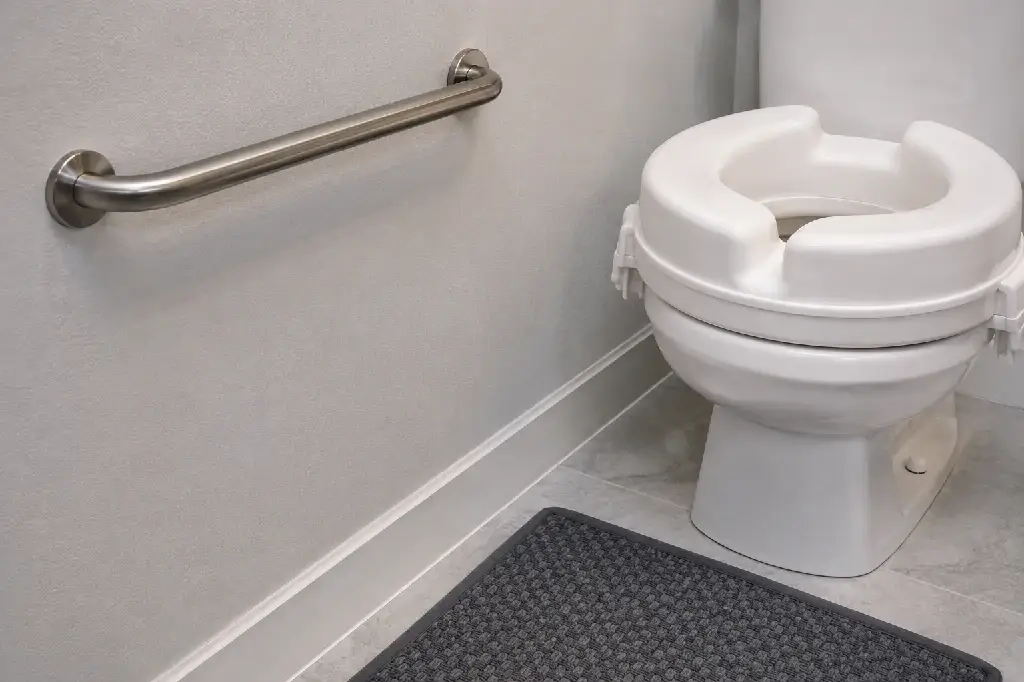
- Add a nearby grab bar for something solid to hold.
- Keep the bathroom floor dry, and use a non slip mat near the toilet.
- Replace the seat if the locking mechanism becomes loose or cracked.
Long periods of sitting on a hard seat can also leave you sore. If sit bone pain is part of your discomfort, our article on sore sit bones can help. It covers cushions that ease that pressure.
Joint pain from arthritis or old injuries often makes standing up hard in the first place. Our guide to bone spurs in the hip and knee explains how these growths limit motion. A knee compression sleeve can give extra support during the day, not only in the bathroom.
When to See a Doctor
A raised toilet seat helps, but it does not replace medical care. Talk to your doctor or a physical therapist if you notice any of the following.
- Sudden new trouble sitting down or standing up
- Sharp or worsening pain in your hip, knee, or back
- Swelling, redness, or warmth around a recent surgical site
- Dizziness or balance problems that lead to near falls
- Numbness or weakness in your legs
An occupational therapist can also assess your bathroom. This expert can recommend the exact seat height and grab bar placement for your body and your home.
Choosing the right raised toilet seat depends on your height, strength, and recovery needs. Start with a height and style that matches how you feel today. Then add grab bars and a non slip mat for full protection. Small changes like these keep you safe and independent in one of the most used rooms in your home.
Frequently Asked Questions
What height raised toilet seat do I need
Most people start with a 4 inch riser, since it works well for general mobility loss. Choose 2 inches for a smaller boost or 6 inches for more trouble bending your hips or knees. An occupational therapist can confirm the best height for your body.
Are raised toilet seats covered by insurance
Original Medicare usually does not cover a raised toilet seat, since it is classed as a convenience item. Some Medicare Advantage plans and most FSA or HSA accounts do allow the purchase. Check your specific plan before buying.
Can I use a raised toilet seat after hip or knee replacement
Yes, and many surgeons recommend one. A raised toilet seat helps you follow the 90 degree hip rule. It also protects a healing knee joint during early recovery.
What is the difference between a raised toilet seat and a toilet seat riser
The terms are used interchangeably in most stores. Both describe a seat that adds height above your toilet bowl. A riser sometimes refers to a frame placed under the existing seat and lid.
Do raised toilet seats fit elongated toilets
Most brands sell both round and elongated versions, so measure your current seat before you order. An elongated bowl runs about 18.5 inches long, compared to about 16.5 inches for a round bowl.
How do I stop a raised toilet seat from sliding or moving
Pick a locking model with bolts or clamps instead of a simple non locking seat. Slip resistant rubber pads on the underside also help keep the seat steady during use.